


Northern Vietnam is experiencing severe cold, with temperatures dropping to 0 degrees Celsius and accompanied by drizzle. This weather poses significant risks to cardiovascular, respiratory, musculoskeletal, and mental health. The body works harder to keep vital organs like the heart, brain, and lungs warm. Doctor Nguyen Huy Hoang, from the Vietnam Undersea and Hyperbaric Medicine Association, explained that "just a small trigger like stress or exertion can become the 'final blow' causing a myocardial infarction or stroke."
To reduce stroke risk, avoid cold shock when transitioning from a warm indoor environment to the outdoors. A body accustomed to 26 degrees Celsius room temperature can experience sudden blood vessel constriction, increased blood pressure, and increased heart strain after just a few minutes of exposure to 10-12 degrees Celsius air. Safely dress warmly indoors, add a thick coat when going outside, and allow the body a few minutes to acclimate in a buffer area such as a hallway or building lobby. Every two to three hours, open windows for a few minutes, use an air purifier, and maintain room humidity at 40-60%. Wash hands frequently and wear a face mask if someone is coughing.
When bathing, maintain the ideal water temperature at 37-40 degrees Celsius. Bathe in sequence, starting from the feet and hands, moving up to the torso, and then to the head. This allows blood vessels to adapt, preventing thermal shock. Ensure the bathroom is draft-free and equipped with anti-slip mats and grab bars.
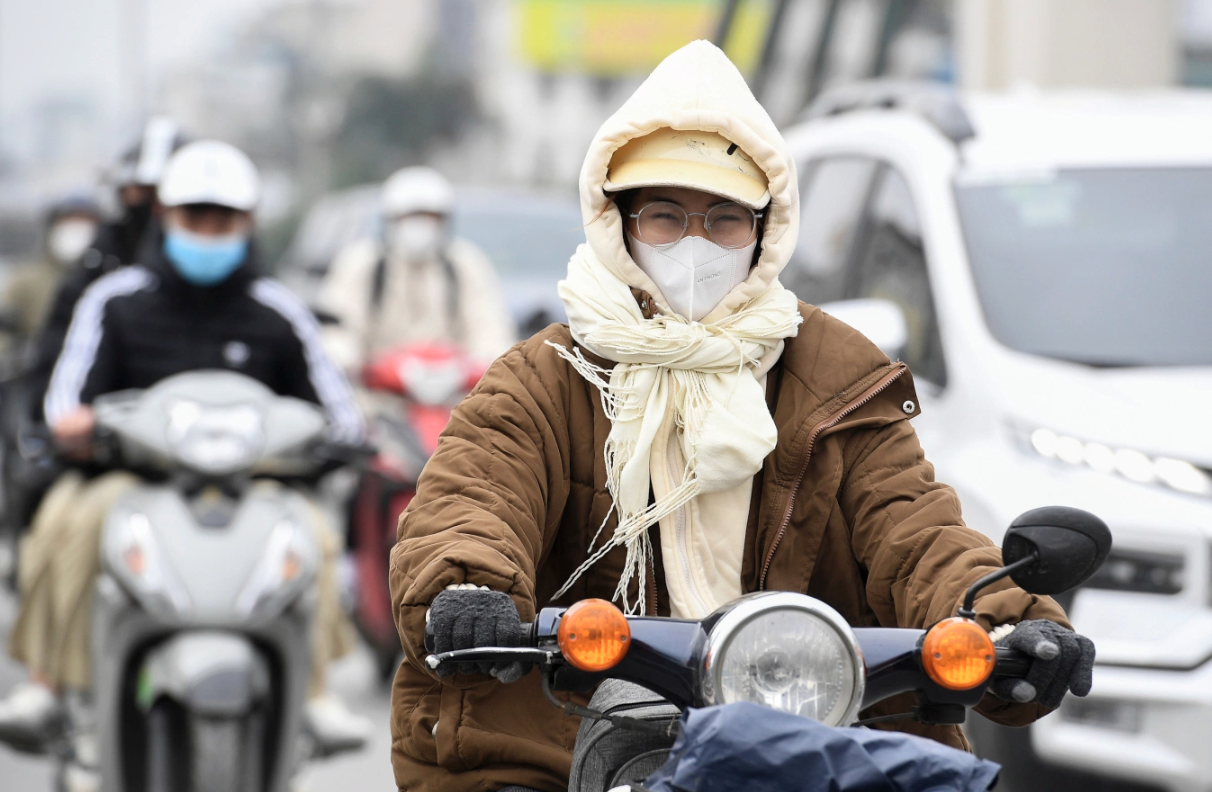 |
Hanoians in the bitter cold. *Photo: Giang Huy*. |
For nutrition, a breakfast with sufficient protein (meat, eggs, beans), complex carbohydrates (brown rice, potatoes, oats), and fresh fruits and vegetables helps generate energy and maintain a stable body temperature. During cold weather, incorporate warming dishes like perilla and green onion congee or radish bone soup. These dishes improve blood circulation, reduce nasal congestion, warm the stomach, and benefit joints.
Maintain an intake of 1,5-2 liters of warm water daily to prevent blood from becoming too "thick" and to keep respiratory mucous membranes hydrated. Warm ginger, cinnamon, honey teas, or warm lemon water can help warm the body and aid digestion. Limit alcohol and stimulants.
Individuals with high blood pressure, diabetes, or coronary artery disease must not arbitrarily stop or reduce medication simply because they are "feeling well." Maintain regular follow-up appointments and adhere to treatment as guided by a doctor.
Aim for 7-8 hours of sleep daily. Ensure the bedroom is draft-free with adequate warm blankets. Avoid leaving heaters or air conditioners on all night, as dry air can cause sore throats and dry skin. Perform a few gentle stretching exercises before sleeping and after waking to improve blood circulation and reduce joint stiffness.
Crucially, everyone can recognize early stroke signs using the FAST rule: Face (facial droop), Arm (arm weakness), Speech (difficulty speaking), Time (call 115 immediately). If these symptoms appear, call 115 without delay. Absolutely do not self-massage, perform "cao gio" (coin rubbing), or take blood pressure medication or aspirin unless specifically instructed by a doctor. Delaying treatment can mean missing the "golden hour," leading to more severe illness.
Thuy An


