


Asthma is a common chronic respiratory disease globally. It is characterized by chronic inflammation of the airways, leading to narrowing, swelling, and increased mucus production. These changes cause patients to experience wheezing, shortness of breath, coughing, and chest tightness.
Fine particulate matter can deeply penetrate the respiratory tract, stimulating inflammatory responses and increasing bronchial sensitivity. Additionally, vehicle exhaust, industrial emissions, mold, and household chemicals contribute to a higher risk of triggering asthma attacks. Indoor pollutants like kitchen smoke, paint fumes, scented candles, or accumulated dust in enclosed spaces also worsen symptoms.
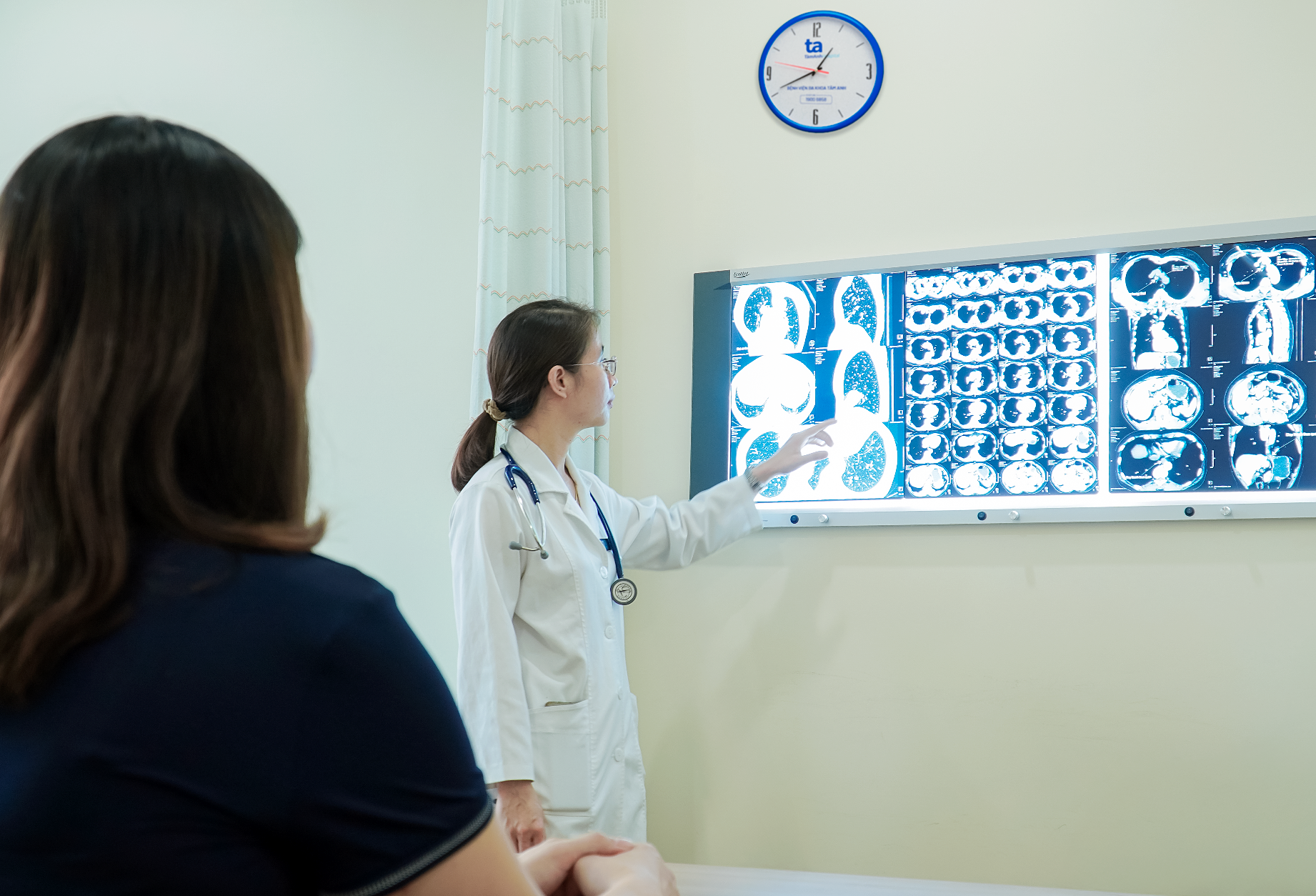 |
Doctor Huong analyzes a patient's lung X-ray. *Illustration: Tam Anh General Hospital* |
Asthma triggered by air pollution is not yet fully curable, but the condition can be effectively managed with appropriate treatment. Inhaled medications remain the foundation of asthma therapy. For severe or difficult-to-control cases, doctors may consider prescribing other biological drugs to manage inflammatory responses and reduce complication risks. In conjunction with medication, patients should have their treatment response monitored through regular follow-up appointments and respiratory function tests as per protocol.
Patients should minimize exposure to smoke and dust, avoiding outdoor exercise on days with poor air quality. In daily life, they should avoid tobacco smoke, ensure well-ventilated living spaces, and limit the use of charcoal or oil stoves, or cooking in enclosed areas. Furthermore, proactive respiratory vaccinations help reduce the risk of complications, lessen severity, and lower the mortality risk for individuals with asthma.
Doctor La Quy Huong
Department of Respiratory Medicine
Tam Anh General Hospital
| Readers can submit their respiratory questions here for a doctor's response. |


