


Speaking with VnExpress on 28/1, associate professor doctor Do Van Dung, former Head of the Public Health Department at the University of Medicine and Pharmacy, TP HCM, addressed public concerns regarding the Nipah virus's potential entry from the Indian outbreak and reports of bats in Vietnam carrying the pathogen. He emphasized the importance of correctly interpreting data to prevent unnecessary alarm.
Specifically, studies conducted around 2012 in Vietnam, notably in Dak Lak and Hoa Binh, identified Nipah virus antibodies in certain bat species, including the Indian flying fox (Cynopterus) and small rousette (Rousettus), using ELISA tests. However, doctor Dung clarified that the presence of antibodies in bats does not indicate active virus circulation or a direct threat of human infection.
Doctor Dung explained that the tests conducted since 2012 in Vietnam only detected low antibody titers. He suggested this likely indicates a cross-reaction, a phenomenon where bats infected with other structurally similar viruses trigger an immune response resembling Nipah, rather than an infection with a highly virulent Nipah strain itself.
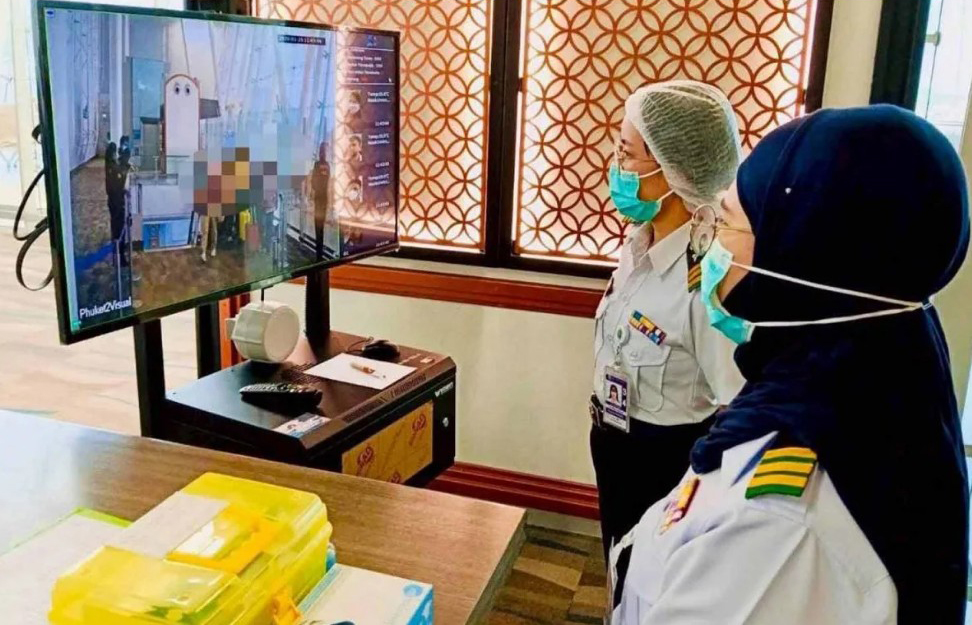 |
Health workers at Phuket Airport in Thailand are closely monitoring arriving passengers for signs of fever or respiratory infection, especially those coming from areas experiencing a Nipah outbreak. Photo: Bangkok Post
Experts cite three key reasons to rule out a Nipah outbreak in Vietnam at this time:
First, Vietnam has not detected the Nipah virus in large flying foxes (Pteropus), the primary intermediary host responsible for severe outbreaks in Malaysia and Bangladesh. Previous antibody findings were limited to smaller bat species.
Second, epidemiological surveillance data spanning over a decade in regions with antibody-positive bats have reported no human encephalitis cases linked to Nipah. This aligns with assessments from Thai health officials, who found the virus at a low density (about 10%) compared to the 40-50% prevalence in major outbreak zones like India.
Finally, unlike Covid-19's rapid respiratory spread, Nipah virus has a low reproduction number (R0
Given the complex regional situation, Vietnam's Ministry of Health (MoH) on the morning of 27/1 called for enhanced surveillance at border gates and within communities. To date, Vietnam has reported no human Nipah cases.
Thai authorities also assess a low domestic outbreak risk, with the primary threat stemming from incoming travelers. They have tightened controls at major airports like Suvarnabhumi and Don Mueang, and prohibited pig farms from operating near bat roosts to disrupt potential transmission pathways.
While Nipah's lower reproduction number means a reduced risk of a global pandemic compared to Covid-19, it remains a highly dangerous infectious disease with a 40% to 75% fatality rate. Associate professor doctor Le Quoc Hung, Head of the Department of Tropical Diseases at Cho Ray Hospital, highlighted early detection as the greatest challenge. Initial Nipah symptoms, including fever, headache, muscle pain, vomiting, and sore throat, are easily mistaken for seasonal flu or dengue fever. Consequently, clinicians must rely on epidemiological factors, such as travel history from an outbreak region or contact with infected pigs, for accurate diagnosis.
Doctor Hung warned that patients require immediate hospitalization if severe signs of encephalitis emerge, such as drowsiness, lethargy, confusion, slurred speech, seizures, or rapidly escalating altered consciousness. Globally, there is no specific treatment or commercial vaccine for Nipah; medical intervention focuses on intensive care and respiratory support.
For proactive prevention, individuals should adhere to food safety and hygiene practices: wash and peel fruits thoroughly, avoid eating fruits with signs of animal bites, and limit consumption of untreated fresh palm sap and date palm sap. Anyone returning from outbreak areas, such as India or Bangladesh, who develops suspicious symptoms must immediately seek medical attention and disclose their travel history.
Le Phuong - Binh Minh


