On the morning of 8/10, meeting with the patient's family, a hospital representative apologized, stating that they "regretted that the doctor's communication was inappropriate, failed to answer questions, and did not provide necessary information to the family at the time of the incident." The doctor was asked to commit to not displaying such communication behavior with patients again.
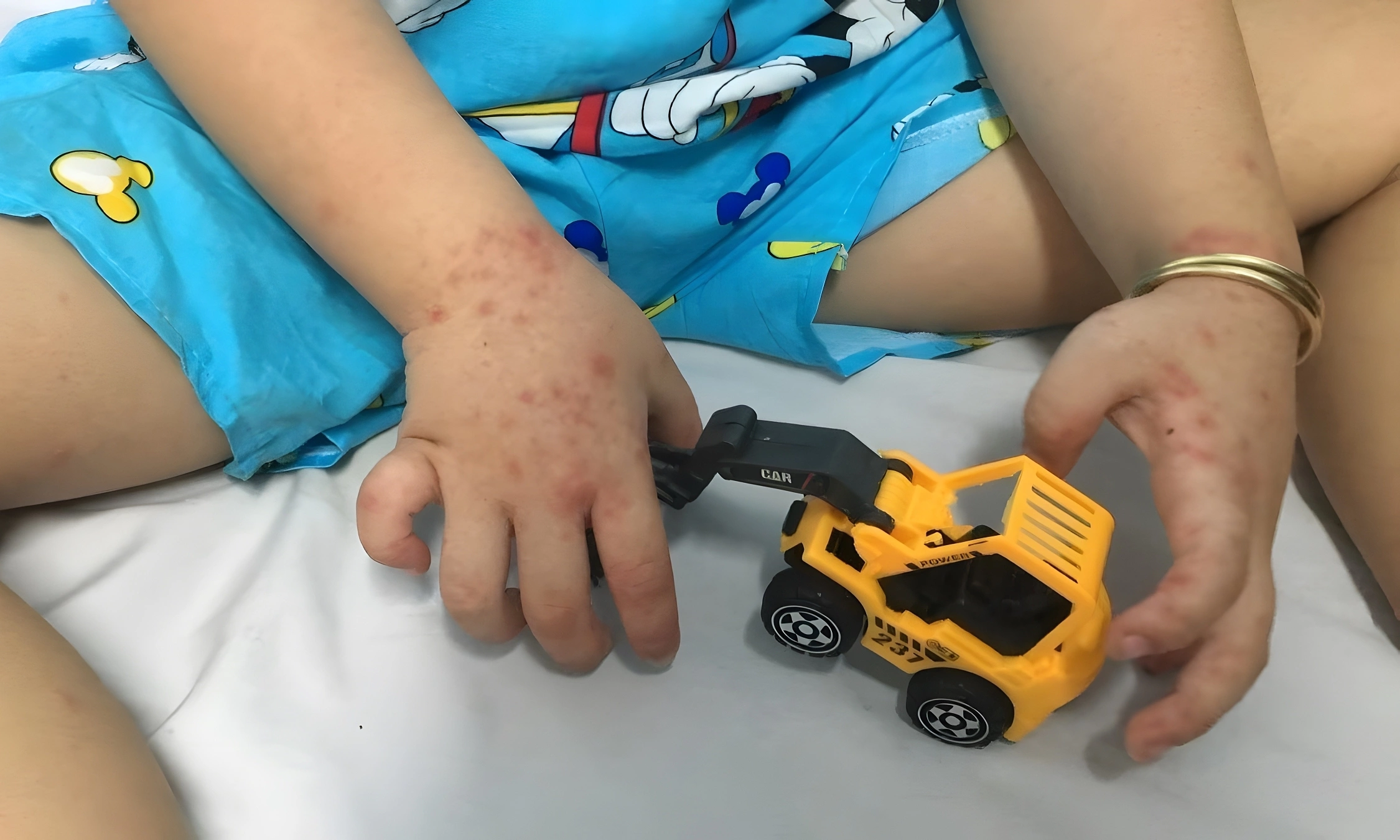
The incident occurred on the morning of 5/10 when the patient's mother brought her child for an examination in room E03.06 with queue number 46. The child had a fever of about 39 degrees Celsius, was lethargic, vomiting, trembling, and unable to sit steadily. The waiting area was crowded with no available seats, prompting the mother to bring her child into the doctor's room while patient number 45 was being examined and there were empty chairs.
The mother recounted that the doctor immediately reacted, saying, "'Who invited you in? I just called number 45,' while slamming the examination book on the table." The doctor then demanded that the mother and child leave, explaining that three to four other patients were waiting for their test results.
When it was their turn, the child sat on the examination chair unsteadily, requiring the mother's support. The two parties continued to argue when the doctor called the child's name for confirmation. The doctor then slammed a pen on the table, left the room, and called someone to "handle" the situation. She simultaneously demanded that the child be moved to another room and refused to continue the examination.
A nurse from the area promptly took the child to another examination room, where a different doctor immediately attended to the child. The mother requested to meet with the head nurse and the head of the outpatient department to clarify the incident. She also asked the doctor to confront her regarding the conversation and behavior towards the child and family.
 |
Patients take queue numbers for medical examination at a hospital in Ho Chi Minh City. *Quynh Tran* |
Reviewing the process, hospital management noted that before arriving at the specialist examination room, the child had been screened to determine if emergency transfer was necessary. Observing the child's fever, medical staff administered fever-reducing treatment before the child continued with the examination.
The accused female doctor reported that at the time, the examination room was both admitting patients according to queue order and providing test results for children previously examined. The doctor admitted the incident, explaining that "there were many patients" and she "feared a prolonged argument would affect examinations, so she contacted the operations department and asked another colleague to examine the child."
The child was subsequently examined by another doctor, with staff assisting during tests, imaging, and medication dispensing. The head of the outpatient department also apologized to the family and acknowledged the complaint.
Nhi Dong 1 is a terminal pediatric hospital in Ho Chi Minh City, serving pediatric patients from the Southern region, with approximately 5,000 to 6,000 visits daily. The hospital is currently in a peak period and has increased the number of examination rooms and arranged continuous examination shifts to reduce patient waiting times. Medical staff are reminded to focus on communication and patient support.
Le Phuong