According to Dr. Saurabh Sethi, non-alcoholic fatty liver disease (NAFLD) is characterized by excessive fat accumulation in the liver, often stemming from insulin resistance, a condition where the body struggles to absorb and metabolize sugar. The standard treatment protocol for fatty liver involves weight loss, targeting a reduction of 0,5 to 1 kg per week, aiming for a minimum 10% decrease in total body weight, combined with strict alcohol abstinence.
Research indicates that diets high in saturated fats and certain vegetable oils can increase the risk of fatty liver disease. Dr. Sethi, with over two decades of clinical experience, notes a strong link between refined carbohydrate consumption and fatty liver, advising individuals to carefully manage these foods in their daily diet.
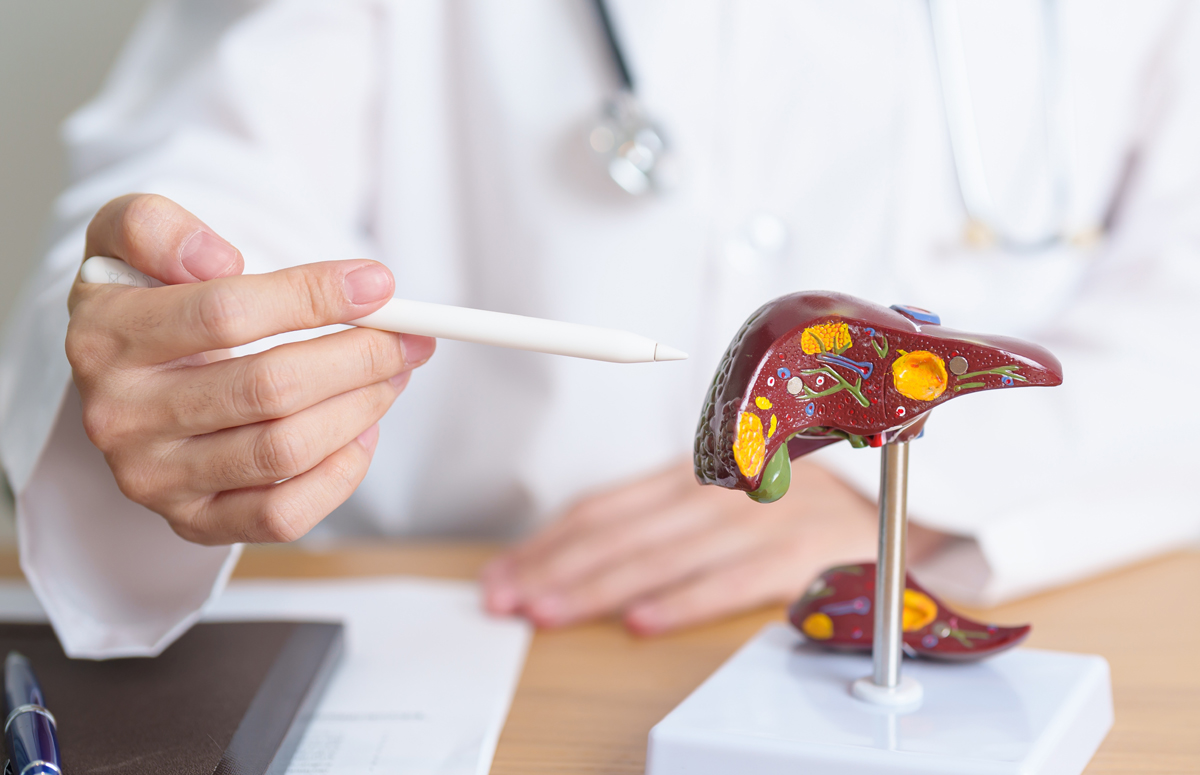 |
Illustrative photo: Sparsh Hospital |
The expert suggests that drinking coffee can help reduce the risk of fatty liver disease and even lessen its severity. He recommends limiting coffee intake to one to two cups daily and consuming the last cup at least 6 hours before bedtime to avoid disturbing sleep.
Dr. Sethi highlights vitamin E as a potent antioxidant capable of reducing oxidative stress, preventing inflammation, and limiting liver fibrosis. To boost this nutrient, patients should incorporate more nuts, whole grains, and green vegetables into their daily meals. Additionally, vitamin D deficiency is closely associated with fatty liver prevalence; the risk of the disease increases with declining vitamin D levels in the body. Many studies have shown that supplementing vitamin D from foods like fatty fish and mushrooms can significantly improve liver function.
Maintaining a diet that prioritizes plant-based foods can lower the risk of fatty liver disease. Dr. Saurabh Sethi emphasizes that green vegetables and whole grains are excellent choices for health; conversely, sugary drinks and refined grains are primary contributors to the rising incidence of this condition.
The Mediterranean diet, rich in fiber and antioxidants, has been shown to reduce the severity of fatty liver disease and improve metabolic markers. Dr. Sethi also advises caution regarding the Keto diet, as evidence of its impact on liver health remains inconsistent and it is not currently recommended for fatty liver patients.
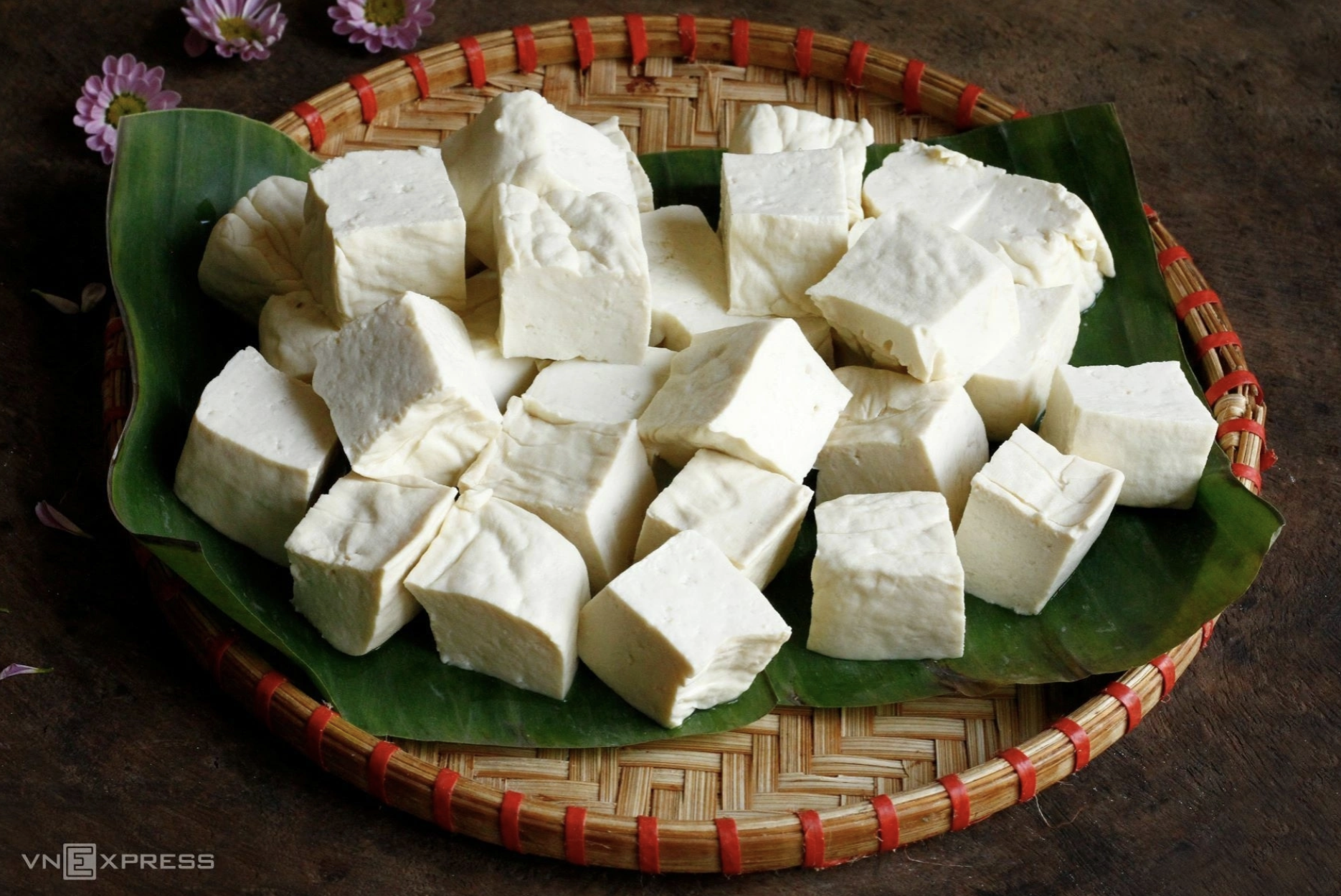
Dr. Sethi consistently encourages fatty liver patients to adopt a plant-forward diet, particularly the Mediterranean menu. To maintain a healthy liver, patients do not need to be entirely vegetarian; the key is to prioritize high-quality protein sources such as tofu, soybeans, and whole grains. This sustainable lifestyle change, combined with appropriate coffee consumption, is the "key" to protecting liver health without excessive reliance on medication.
Binh Minh (According to Health 2,0)