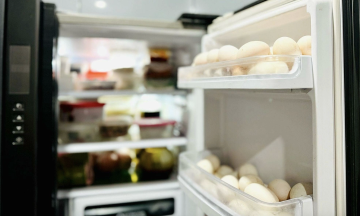
Eating many fried foods over a short period increases constipation risk. These foods are high in fat and low in fiber, slowing bowel movements. As stool moves slowly through the colon, more water is absorbed, making stool dry and hard, causing difficulty. Consuming fatty foods during Tet can alter gut microbiota, and a lack of fiber reduces natural bowel reflexes.
During Tet, many people drink less water than usual, leading to increased water absorption from stool in the colon, which causes difficulty. Additionally, alcohol consumption causes mild dehydration and affects the enteric nervous system, disrupting bowel movements and slowing stool passage, increasing constipation risk.
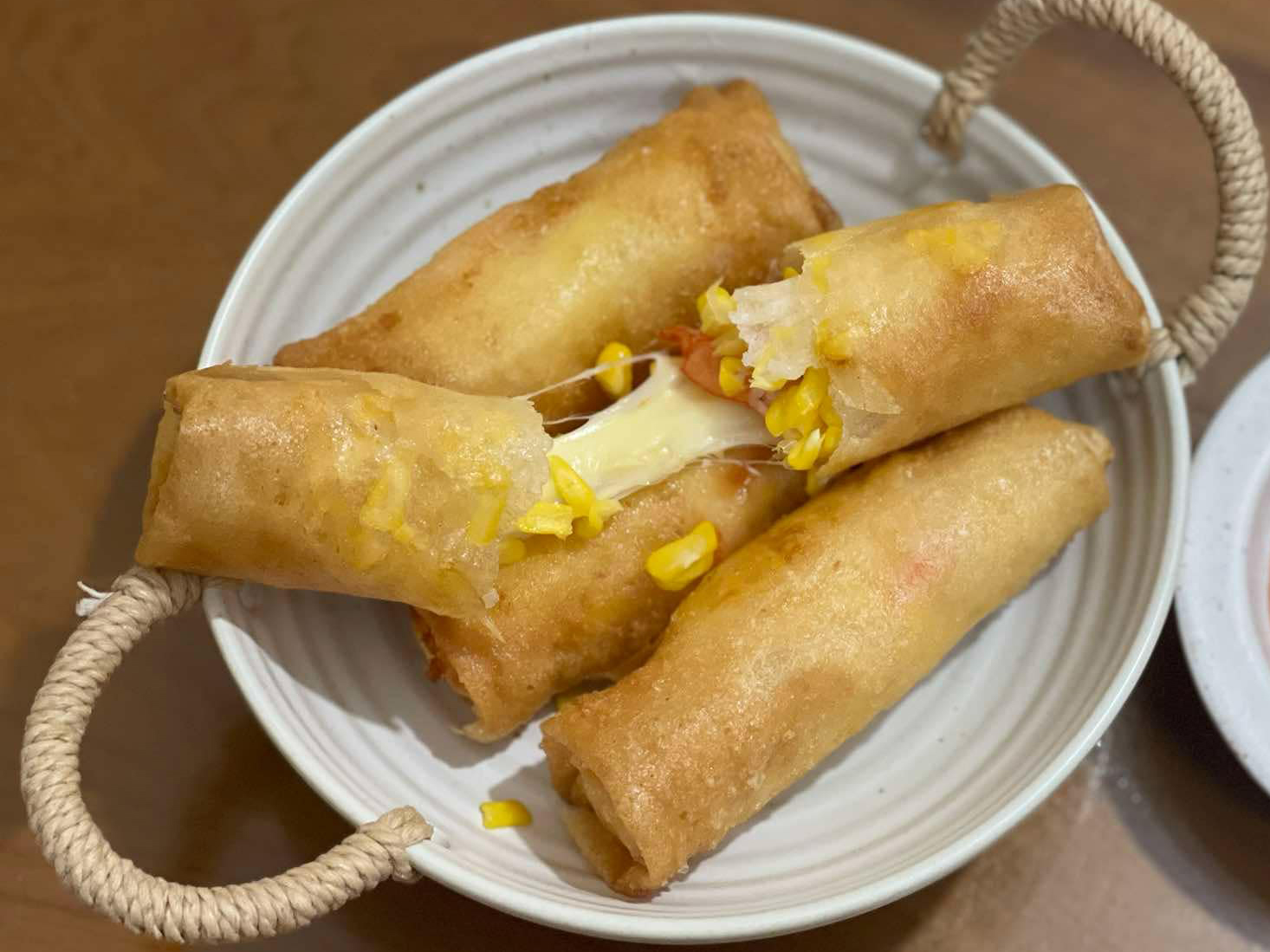 |
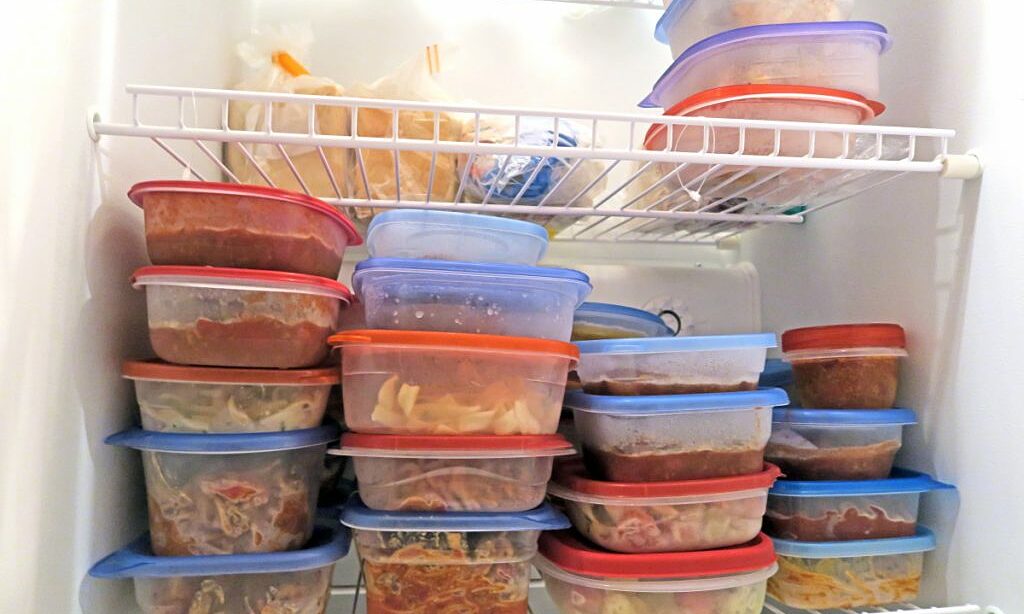
Eating many fried foods over a short period can increase constipation risk. Photo: Tran Diep
Beyond diet, lifestyle habits during Tet contribute to constipation. People often have reduced physical activity, spend more time sitting watching television, and travel more by car. Constipation is common in inactive individuals, older adults, and those with a history of constipation, hemorrhoids, or chronic digestive diseases.
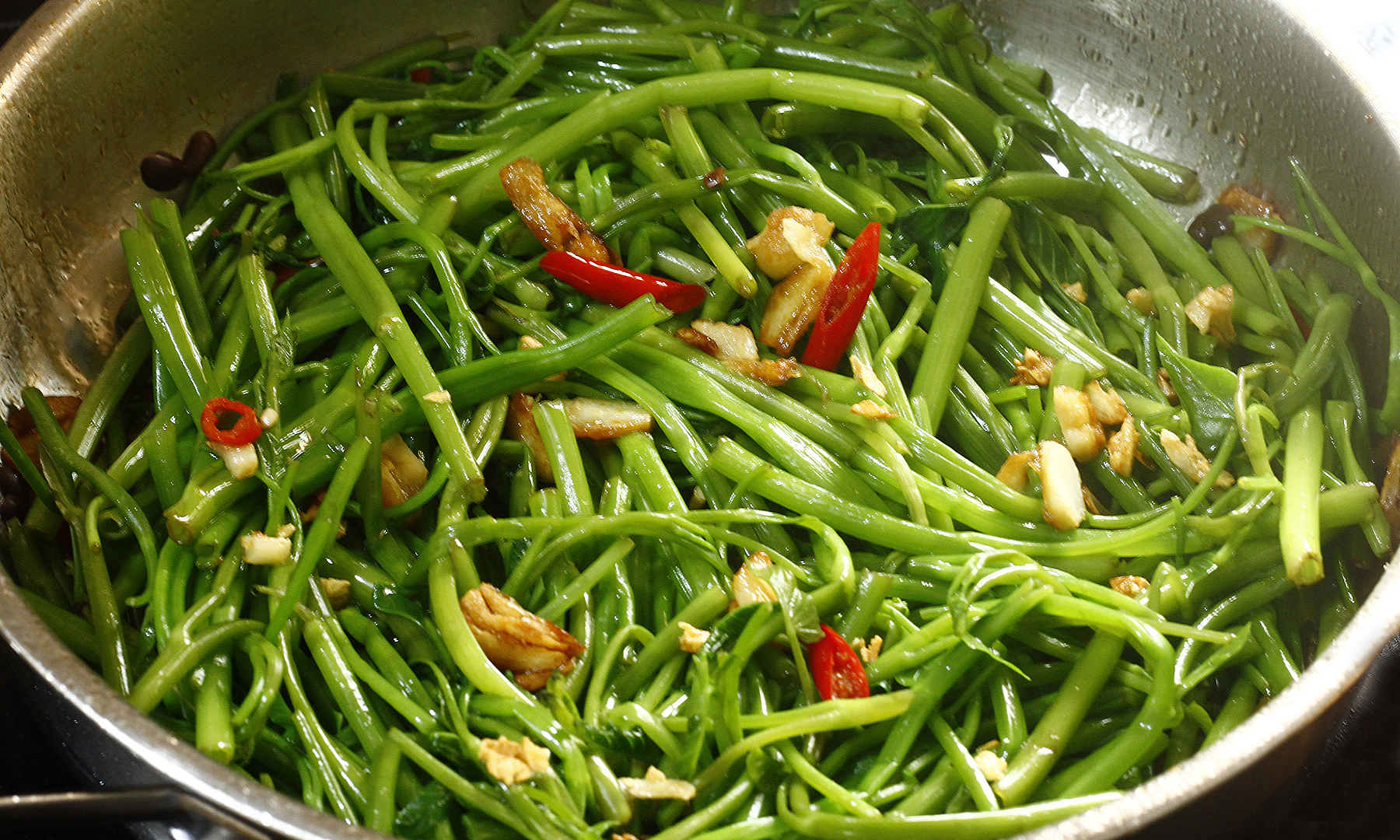
To prevent constipation, adjust your diet and lifestyle. Include fiber-rich vegetables and fresh fruits such as: papaya, oranges, grapefruits, and ripe bananas in each meal. Limit fried foods and alcohol. Drink enough water throughout the day, not just when thirsty. After meals, engage in light activity such as walking for 10-15 minutes. Avoid prolonged sitting or lying down, and maintain regular bowel habits, not delaying urges, to support bowel movements and digestion.
If constipation persists for more than 1-2 weeks despite dietary and lifestyle adjustments, consult a gastroenterologist for timely treatment and to prevent complications.
Master, Doctor Hoang Nam
Department of Gastroenterology - Hepatobiliary - Pancreatic
Tam Anh General Hospital Hanoi
| Readers can ask questions about digestive health here for a doctor's response |