Can Tho General Hospital recently treated a 32-year-old male patient from Vinh Long for chickenpox complicated by pneumonia, severe respiratory failure, hepatitis, and a blood clotting disorder. Three days prior to admission, the patient developed skin blisters and fatigue but no fever.
Doctor Nguyen Tien Dao, medical manager at VNVC Vaccination System, stated that this case highlights chickenpox as more than just a few skin blisters. In some instances, the disease can progress severely, even in healthy adults.
Chickenpox is caused by the varicella zoster virus (VZV). It spreads through respiratory droplets and direct contact with blisters from individuals with chickenpox or shingles, as both are caused by VZV. People without immunity or who have not been vaccinated are at risk of contracting the disease upon exposure to the pathogen.
In adults, chickenpox typically causes fever, headache, a vesicular rash, itching, muscle aches, fatigue, loss of appetite, and sometimes vomiting. The disease may resolve after 7-10 days. However, adults face a higher risk of complications such as: sepsis, respiratory failure, pneumonia, hepatitis, and blood clotting disorders.
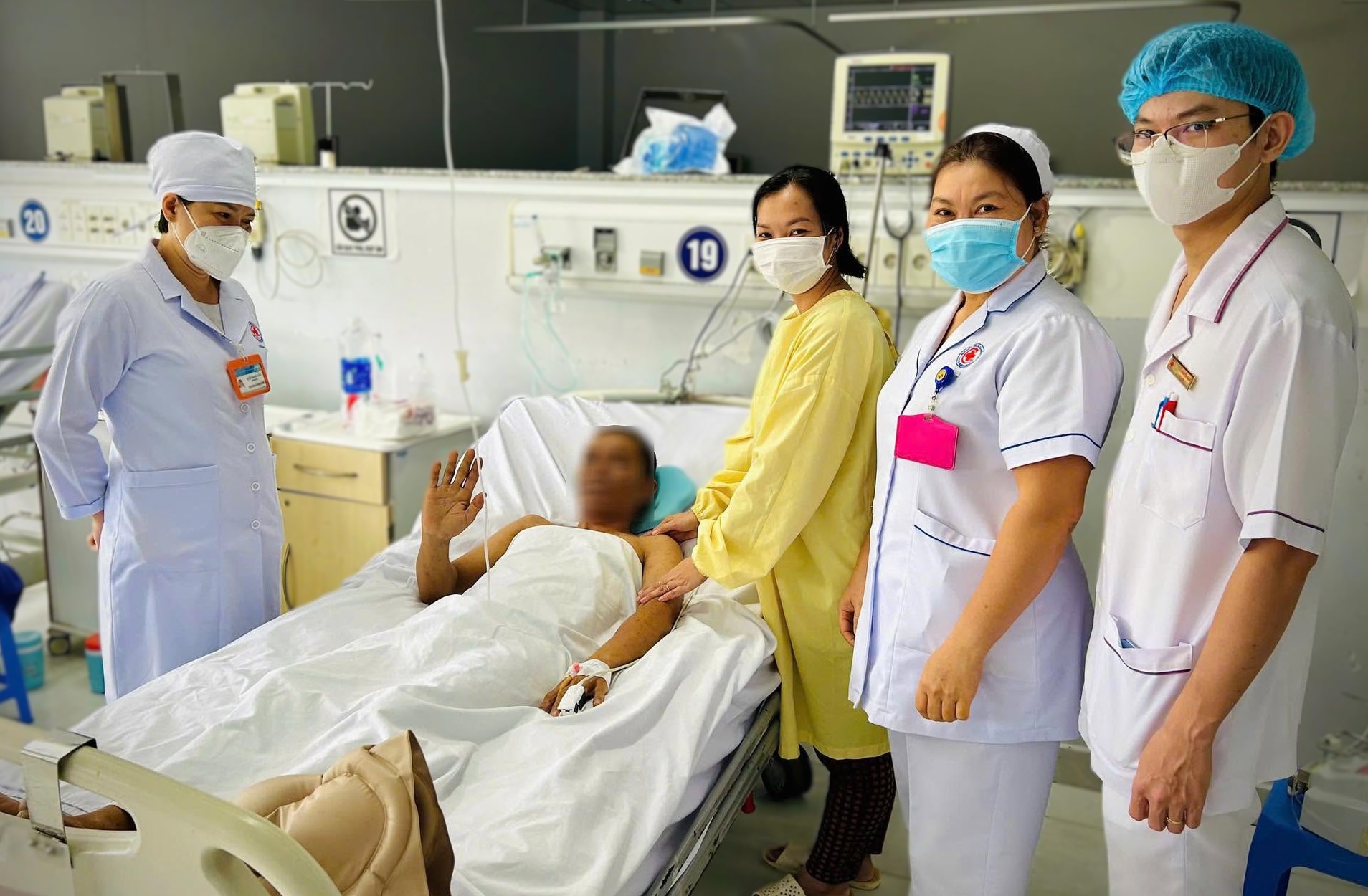 |
The 32-year-old male patient with chickenpox complicated by hepatitis and a blood clotting disorder, receiving treatment at Can Tho General Hospital. *Photo: Can Tho General Hospital* |
After entering through mucous membranes or the respiratory tract, the virus can spread via the bloodstream to the liver, lungs, skin, and other organs. Without proper monitoring and treatment, patients can develop pneumonia, hepatitis, or encephalitis.
According to Doctor Dao, in adults, the immune response can sometimes be strong and uncontrolled, escalating inflammation. When the liver is affected, patients may experience elevated liver enzymes; more severe cases include acute liver failure or fulminant hepatitis, especially in those with underlying conditions such as: hepatitis B, high liver enzymes, or cirrhosis.
Secondary skin infections are also a notable complication. Bacteria such as: staphylococcus aureus, group A streptococcus, or pneumococcus can enter through ruptured blisters, causing cellulitis, abscesses, and sepsis. Patients should seek early medical attention if blisters become pus-filled, discharge cloudy yellow fluid with a foul odor, accompanied by high fever, chills, aches, or burning sensations.
If bacteria enter the bloodstream, patients can experience septic shock, blood clotting disorders, multi-organ failure, and death. The 32-year-old patient mentioned earlier worsened on the 4th day, when his blisters contained opaque pus.
Doctor Dao believes some adults are prone to complications due to complacency, delaying medical consultation, self-medicating, or applying leaves and folk remedies to the lesions. These practices can damage the skin, compromise its natural protective barrier, and facilitate bacterial invasion.
Chickenpox can be mistaken for other conditions like roseola, hand-foot-and-mouth disease, or canker sores. Adults and children should seek medical attention if they develop a fever and skin blisters for proper diagnosis and treatment. Patients must maintain hygiene of affected areas, avoiding scratching or rupturing blisters to limit secondary infections.
During the illness, patients should stay hydrated, eat nutritious foods, rest, get sufficient sleep, and monitor for unusual signs. If experiencing high fever, difficulty breathing, frequent vomiting, lethargy, pus-filled blisters, or increased pain, seek medical care.
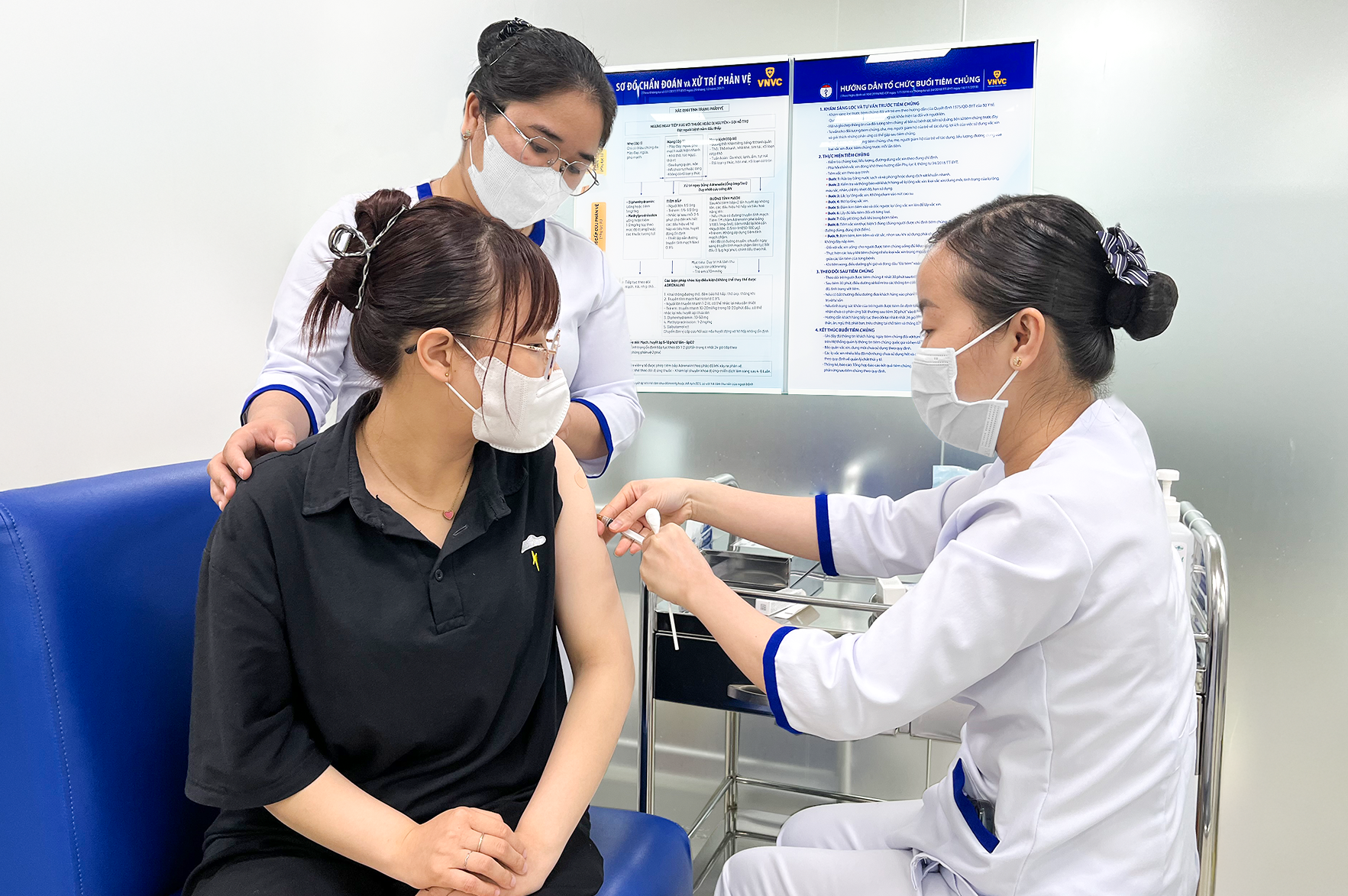 |
A 24-year-old woman receives chickenpox, diphtheria, pertussis, and tetanus vaccines at VNVC Vaccination System for disease prevention before working abroad. *Photo: Dieu Thuan* |
To prevent the disease, people should maintain home hygiene, wash hands frequently, wear masks when experiencing respiratory symptoms or when in contact with sick individuals, and get vaccinated against chickenpox as recommended. Vaccines help reduce the risk of contracting the disease and developing severe complications.
Vietnam currently has single-component chickenpox vaccines and combination vaccines for measles, mumps, rubella, and chickenpox. Depending on age and health status, doctors will advise on the appropriate vaccine type and vaccination schedule for children, adults, women preparing for pregnancy, or those without immunity.
Individuals who have had chickenpox are at risk of developing shingles when their immunity declines, especially in older adults or those with man tinh conditions. People with shingles can transmit the VZV virus to those without immunity through fluid from blisters, causing the exposed individual to contract chickenpox. A shingles vaccine is now available for individuals aged 50 and above, and for those aged 18 and above with disease-related immunosuppression, involving two doses administered 1-2 months apart, depending on the regimen.
Hoang Long