Heat exhaustion, or heatstroke in severe cases, occurs when the body fails to adapt to excessively high environmental temperatures. This leads to a disruption of thermoregulation, causing symptoms such as headache, dizziness, and hot, red skin. More severe cases can involve altered consciousness, seizures, or progress to dangerous heatstroke.
According to Doctor Nguyen Tuan Long, from the Cardiology Department at Tam Anh General Hospital, the heart must work harder in hot weather to maintain a stable body temperature. The body increases blood flow to the skin to release heat into the environment. As peripheral blood vessels dilate, the heart beats faster and pumps more blood.
While this mechanism typically poses no serious issues for healthy individuals, those with pre-existing atherosclerotic or narrowed coronary arteries may not receive enough oxygen to meet their heart's demands. This can lead to angina or myocardial infarction.
Doctor Long explained that heat exhaustion causes the body to lose water through excessive sweating. Reduced fluid volume in the body leads to a decrease in circulating blood volume, making the blood thicker. This condition facilitates the formation of blood clots (thrombi within blood vessels). These clots can obstruct coronary arteries already narrowed by atherosclerosis, depriving the myocardial region beyond the blockage of sufficient oxygen and resulting in a heart attack.
In more severe cases, heat exhaustion progresses to heatstroke, characterized by a central body temperature typically above 40 degrees C and altered consciousness. This extreme rise in body temperature can trigger a systemic inflammatory response, damaging the vascular endothelium and causing the coagulation system to function abnormally. These changes increase the risk of clot formation and damage to multiple organs, including the heart. Some severe heatstroke cases can also cause cardiac arrhythmias, hypotension, acute heart failure, or direct myocardial damage.
 |
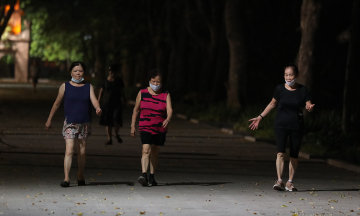
People in the northern region out on a hot day. Illustration: Gia Chinh
The risk varies among individuals. Older adults, those with a history of coronary stent placement, myocardial infarction, coronary artery disease, heart failure, hypertension, dyslipidemia, or diabetes are generally more prone to complications when exposed to prolonged high temperatures.
A meta-analysis published on the US National Library of Medicine (Pubmed) in 2022, based on 282 studies conducted over 33 years from 1990 to 2022 across multiple countries, showed that during heatwaves, the risk of cardiovascular mortality increased by an average of 11,7%. Exposure to high temperatures leads to a higher risk of morbidity and mortality for women, individuals aged 65 and above, those living in tropical climates, and people in lower-middle-income countries.
To reduce the risk of cardiovascular events during the hot season, particularly for older adults (over 65) and individuals with underlying cardiovascular conditions, limit outdoor activities during peak sun hours. Avoid prolonged work or high-intensity exercise in intense heat. Drink enough water, rest in cool, well-ventilated areas, and prevent prolonged dehydration. Individuals with cardiovascular disease should adhere to their treatment plans, monitor blood pressure regularly, and seek medical attention promptly if any unusual symptoms appear.
Doctor Long noted that heart attack symptoms can sometimes be mistaken for fatigue or heat exhaustion, leading to delayed emergency care. When experiencing chest pain or pressure, shortness of breath, prolonged palpitations, cold sweats, severe dizziness, or fainting, patients should be taken to a medical facility for diagnosis and timely intervention.
Ly Nguyen
| Readers can submit questions about cardiovascular disease here for doctors to answer |