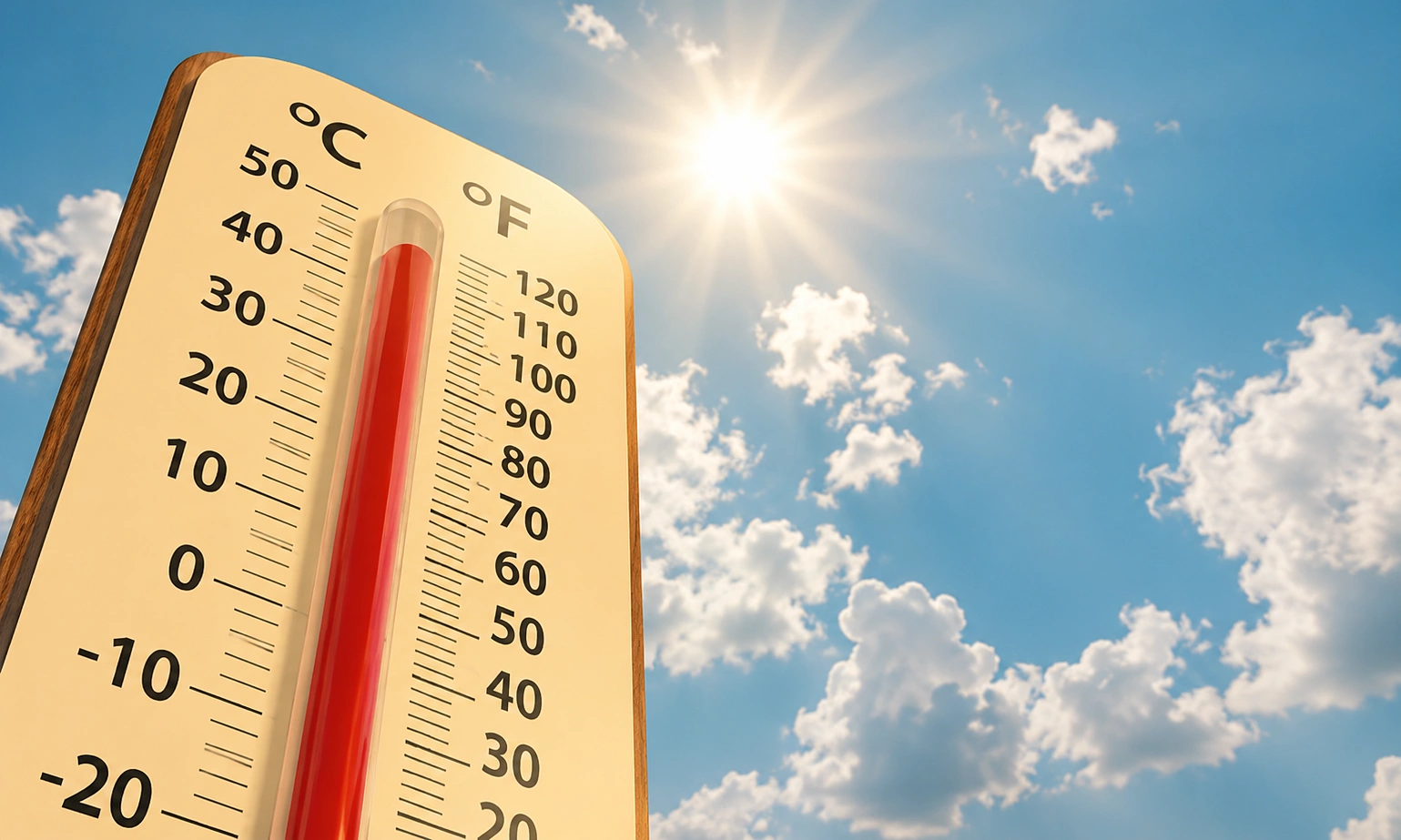
A "heat dome" effect, bringing temperatures of 38 degrees Celsius, has disrupted daily life across the UK, triggering widespread infrastructure and health emergencies.
During intense heat, I am constantly thirsty and drink continuously. Can drinking too much water be harmful, and how much water is sufficient daily? (Hung, 35, Hanoi)
Staying hydrated, consuming plenty of greens and fruits, and limiting alcoholic beverages can help the body maintain energy and reduce the risk of heat exhaustion.
In hot weather, the heart works harder to pump blood, increasing the risk of blood clot formation and myocardial infarction in individuals with atherosclerotic coronary artery disease.
A 50-year-old man experienced a severe headache, attributing it to the heat and taking painkillers, only to be diagnosed with a brain hemorrhage upon hospital admission.
Hot weather does not increase the risk of post-vaccination fever; however, delaying immunization can create an immune gap, significantly raising the risk of contracting diseases.
High temperatures, humidity, and erratic changes during summer can exacerbate symptoms of musculoskeletal diseases, causing pain and limiting movement.
Ha, 29, experienced exhaustion, nausea, and low urine output after several days of working outdoors in hot weather, leading doctors to diagnose acute kidney failure.
Prolonged motorcycle riding under sunny skies increases testicular temperature, which can affect spermatogenesis and reduce sperm count and quality over time.
"I often drink several glasses of water to quench my thirst in hot weather, but afterwards I feel tired and my heart races. Does consuming a large amount of water at once impact cardiovascular health?" asks Hong Xuan from TP HCM.
While sleeping with a fan on all night can cool the body and promote better sleep, it may also lead to dry nasal passages, sore throats, muscle stiffness, and exacerbate allergies in some individuals.
The Tokyo Local Cooperation Headquarters of the Japan Self-Defense Force recently shared a tip for saving air conditioner electricity during summer using a bucket of water and a towel.
High-intensity exercise in the sun, drinking beer to cool down, and sudden transitions from air-conditioned rooms to hot outdoors can disrupt heart rhythm and increase blood pressure.
A doctor warns the public faces risks of brain damage, multi-organ failure, and death from heat shock during extreme weather if lacking first aid knowledge.
Hypertension can cause headaches, dizziness, a heavy head, blurred vision, palpitations, extreme fatigue, chest pain, or shortness of breath, when blood pressure is repeatedly 140/90 mmHg or higher.