Fat around the heart consists of two main components: epicardial adipose tissue (EAT) and paracardial adipose tissue (PAT). Epicardial adipose tissue typically lies between the heart muscle and the pericardium, directly enveloping the coronary arteries. It is a unique form of visceral fat, sharing embryonic origins and metabolic characteristics similar to abdominal visceral fat.
According to Dr. An Tuan Dat, from the Cardiology Department at Tam Anh General Hospital in Hanoi, fat around the heart is not always harmful. In healthy individuals, this fat layer acts as a "biological cushion", protecting the heart and blood vessels from mechanical stress. It also provides energy for the heart muscle and secretes anti-inflammatory substances.
However, excessive accumulation of epicardial adipose tissue increases the production of pro-inflammatory mediators such as interleukin-6 (IL-6), tumor necrosis factor-alpha (TNF-α), and free oxygen radicals. These factors accelerate atherosclerosis, causing rapid plaque formation and instability. Heart fat is also linked to insulin resistance, dyslipidemia, hypertension, and metabolic syndrome – critical risk factors for cardiovascular disease.
Beyond quantity, the degree of inflammation in fat around the heart also holds prognostic significance. Higher inflammation in this fat increases the risk of coronary artery disease, myocardial infarction, and severe cardiovascular events.
 |
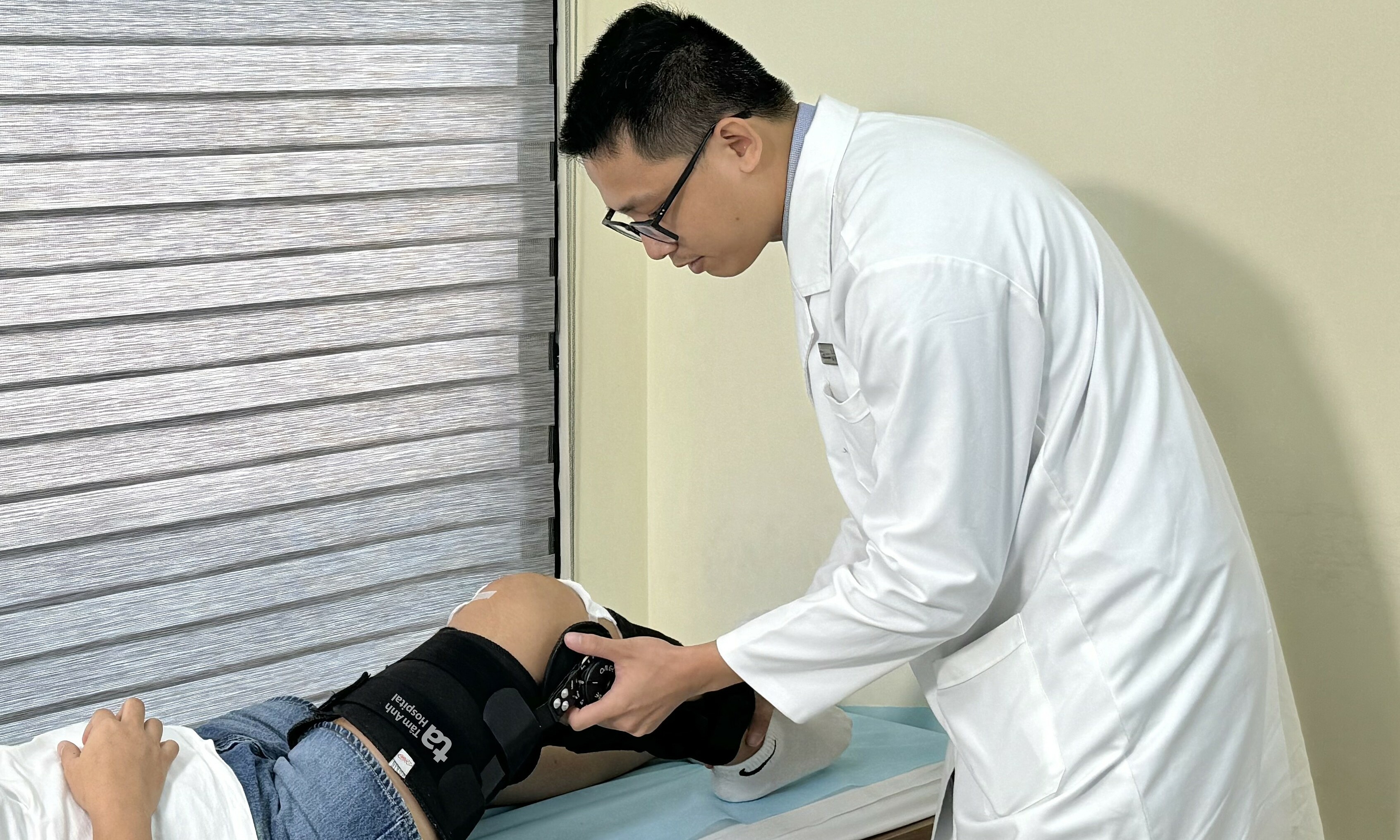
Doctor Dat advises patients on how to reduce visceral fat. Photo: Tam Anh General Hospital |
According to Doctor Dat, excessive accumulation of fat around the heart often indicates systemic metabolic disorders, commonly seen in overweight and obese individuals. Age, physical inactivity, a high-energy diet rich in sugar and saturated fats, smoking, type 2 diabetes, dyslipidemia, and hypertension can also increase heart fat. Notably, some individuals with a normal body mass index (BMI) can still accumulate significant amounts of visceral and heart fat.
Fat around the heart typically causes no specific symptoms, often appearing during cardiovascular examinations or imaging diagnostic procedures.
Doctor Dat states that echocardiography can estimate the thickness of the fat layer around the heart, while cardiac CT and MRI provide more accurate assessments of fat volume. Cardiac CT is the most common diagnostic method. Currently, there are no screening recommendations for heart fat in healthy individuals. However, assessment may be considered for individuals with obesity, diabetes, hypertension, or dyslipidemia. Elevated heart fat serves as a warning sign for cardiovascular risk, especially when it accompanies metabolic disorders.
To limit the accumulation of fat around the heart, the doctor recommends maintaining a healthy weight, controlling blood pressure, blood sugar, and blood lipids. This should be combined with a healthy diet, exercising for at least 150 minutes weekly, getting adequate sleep, reducing stress, and avoiding smoking.
Ly Nguyen
| Readers can submit cardiovascular questions here for the doctor to answer. |