Recently, I have been experiencing frequent coughing and a sore throat. Does not regularly cleaning the air conditioner increase the risk of pneumonia? (Hai Hoa, TP HCM)
An air conditioner that is not regularly cleaned can indirectly weaken the natural protective barrier of the respiratory tract, increasing the risk of pneumonia.
After prolonged use, air conditioners can accumulate fine dust, mold, bacteria (commonly Legionella pneumophila), and allergens on their filters, cooling coils, or air ducts. When the unit operates, these agents can disperse into the air and be directly inhaled into the respiratory tract.
Healthy individuals exposed to air from dirty air conditioners typically only experience respiratory mucosal irritation, leading to: sneezing, nasal congestion, sore throat, coughing, or allergic rhinitis. However, the risk of respiratory infections is higher in the elderly, young children, smokers, or those with chronic lung diseases such as chronic obstructive pulmonary disease (COPD) and bronchial asthma.
Some bacteria and fungi can thrive in the humid environment of air conditioning systems. If present in sufficient concentrations and in a susceptible individual, they can contribute to lower respiratory tract inflammation or worsen existing infections. Notably, Legionella is a type of bacteria that prefers damp environments found in unmaintained air conditioning systems and cooling coils. When airborne Legionella pneumophila is inhaled, individuals can contract Legionnaires' disease – a severe, rapidly progressing form of pneumonia characterized by: high fever, cough, chest pain, and respiratory failure.
Beyond the risk of infection, continuous use of air conditioning at excessively low temperatures can dry out the airway mucous membranes. When these membranes become dry, the respiratory system's ability to clear dust and microorganisms is impaired, allowing pathogens to penetrate deeper into the lungs.
 |
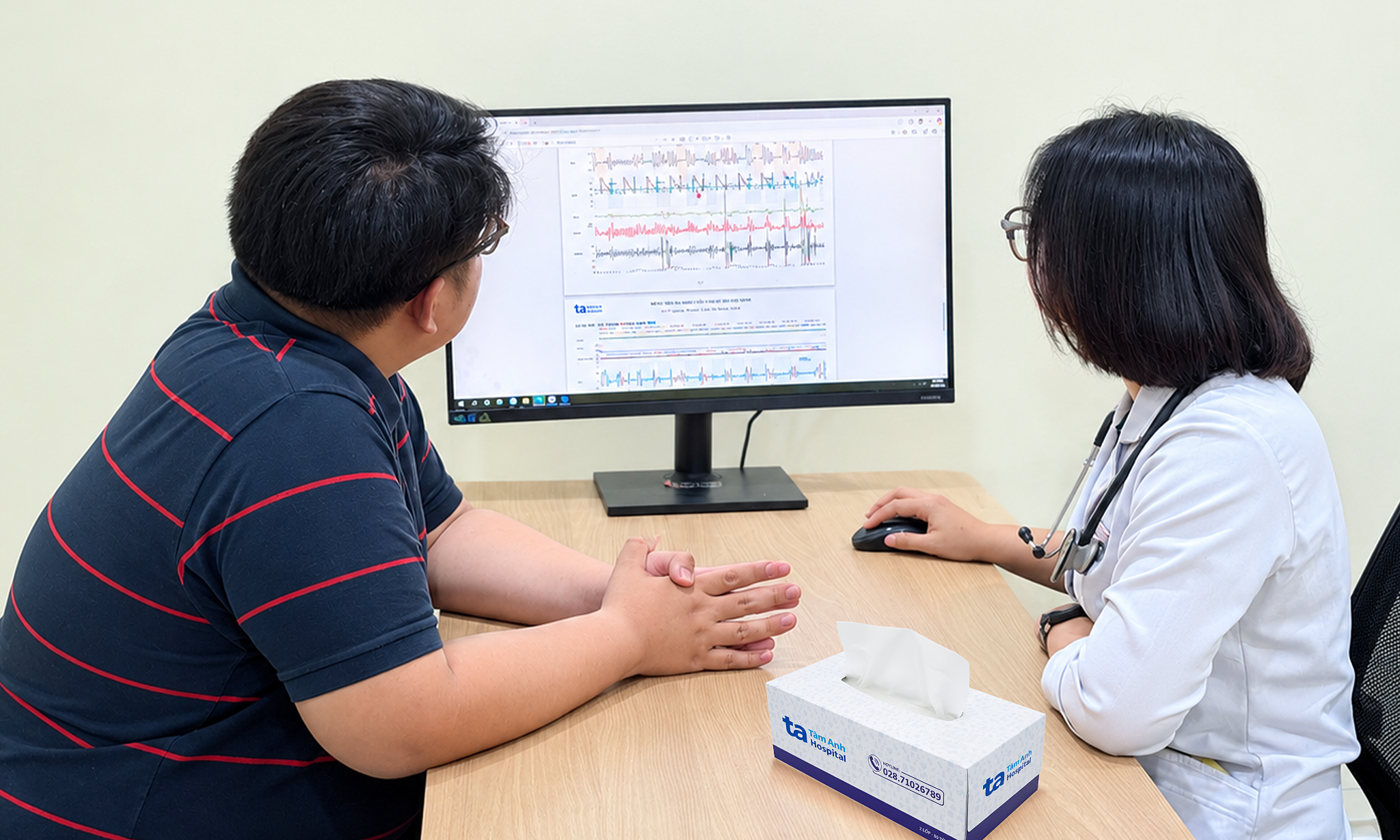
Doctor Hanh advises a patient on respiratory care. Illustration: Tam Anh General Clinic District 7 |
Doctor Hanh advises a patient on respiratory care. Illustration: Tam Anh General Clinic District 7
Your family should regularly clean the air conditioner filters, approximately every two to three months depending on usage frequency, and maintain the entire system according to the manufacturer's instructions. Room temperature should be kept at around 26-28 degrees Celsius to avoid a significant difference from the outside environment. You also need to ensure your living space is periodically ventilated and drink enough water to prevent respiratory dryness.
If you experience symptoms such as: persistent cough, fever, phlegm production, shortness of breath, or chest pain, especially if you have an underlying respiratory condition, you should seek early medical attention.
Master, Doctor, Specialist Level II Nguyen Thi My Hanh
Department of General Internal Medicine
Tam Anh General Clinic District 7
| Readers can submit questions about respiratory diseases here for doctors to answer |