Answer
The stomach is located in the upper abdomen and is part of the digestive system. Stomach cancer occurs when cells in the stomach grow abnormally. When malignant lesions form in the stomach, patients may experience different signs depending on the disease stage and location of the lesion. Generally, symptoms of stomach cancer are vague, non-specific, and easily mistaken for other stomach conditions. The disease is often diagnosed at an advanced stage, leading to a high mortality rate.
In the early stage, patients commonly experience digestive disorders such as difficulty swallowing, belching, heartburn, and a feeling of nausea or vomiting. They may also have dull, non-cyclic pain, pain when hungry, or pain below the sternum after eating a full meal. These symptoms are non-specific and are easily confused with peptic ulcers.
 |
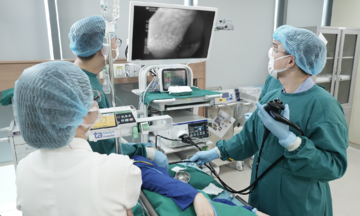
Doctor Sy advises a patient. Illustration: Tam Anh General Hospital |
In the advanced stage, patients frequently experience nausea, vomiting, persistent heartburn, continuous bloating, feeling full quickly even after eating little, and loss of appetite. They may also suffer from severe pain after eating, dull non-cyclic pain, pain when hungry, or pain below the sternum after eating a full meal.
At this advanced stage, patients may develop anemia, blood in their stool or black stool, and pale skin and mucous membranes. Malnutrition due to poor or no absorption leads to unexplained weight loss, dizziness, lightheadedness, and fatigue, which can reduce their ability to work.
Stomach cancer is a leading cause of cancer-related deaths but can be cured if detected early. Regular health check-ups are essential for everyone. Cancer screening helps detect abnormalities early, allowing doctors to plan timely treatment.
You should visit a hospital for a doctor to examine you and determine the cause of your symptoms. To prevent cancer, you should exercise, maintain a scientific rest schedule, and eat a nutritious diet rich in vitamins, fiber, and lean protein. You need to limit foods high in nitrates and secondary amines, such as pickled vegetables, fermented foods, smoked meats, and grilled foods, as these substances can become toxins in the stomach, increasing cancer risk. Avoid smoking, stimulants, and reduce alcohol and sugary drinks.
Master, Doctor Nguyen Tien Sy
Oncology Department
Tam Anh General Hospital, Ho Chi Minh City
| Readers can send questions about cancer here for doctors to answer |