Many hospitals are observing cases of patients, both children and adults, experiencing recurrent fever after testing negative for influenza A virus. This often leads to complications such as pneumonia and respiratory failure. For example, on 5/12, the Central Hospital for Tropical Diseases treated a 45-year-old male patient from Hanoi who developed influenza A with pneumonia complicated by an *Aspergillus* fungal infection. Just as his condition began to improve, he developed a fever again due to a different bacterial attack. Similarly, Bai Chay Hospital in Quang Ninh reported a 28-year-old patient with underlying bronchial asthma who, after testing negative following influenza A treatment, experienced a recurrent fever, coughing with phlegm, and shortness of breath due to bilateral lung damage.
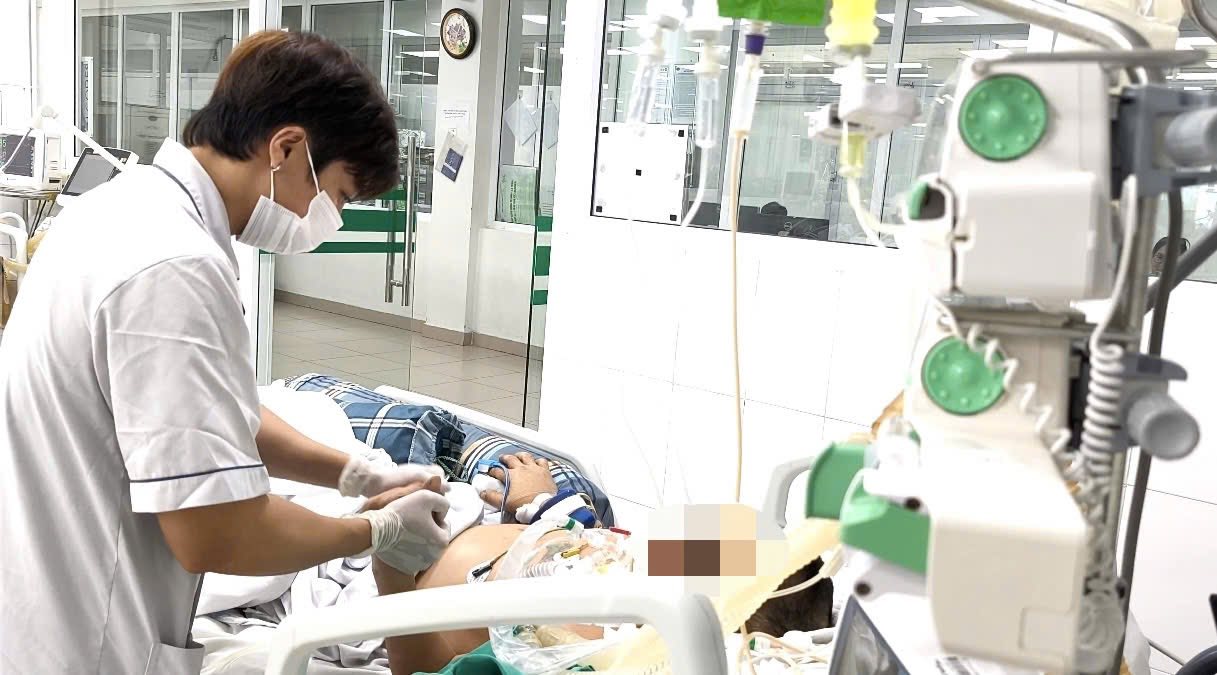 |
A 45-year-old male patient experienced recurrent fever due to bacterial infection after his influenza A-related pneumonia improved. Photo: Central Hospital for Tropical Diseases |
According to Specialist Doctor Level one Bach Thi Chinh, Medical Director of the VNVC Vaccination System, patients can still experience recurrent fever after testing negative for influenza A due to incomplete recovery, unstable inflammation, or a weakened immune system. This vulnerability makes them susceptible to secondary infections from bacteria, viruses, or fungi. Bacterial co-infections, such as those caused by pneumococcus, staphylococcus, or bacillus, account for 30-50% of cases, commonly manifesting as pneumonia, especially in children, the elderly, and individuals with underlying health conditions.
"The influenza virus damages the airway epithelium, compromising the protective barrier and disrupting immune function. This creates an environment where bacteria and fungi can penetrate deeper, causing widespread pneumonia," Doctor Chinh explained. When a secondary infection occurs, a patient's condition can rapidly worsen, presenting with symptoms like a high fever recurrence, shortness of breath, yellow-green phlegm, chest pain, fatigue, diarrhea, or vomiting. Young children may refuse feeding, exhibit rapid breathing, or have chest indrawing. Without timely treatment, the illness can progress to severe pneumonia, respiratory failure, sepsis, and multi-organ failure.
Therefore, Doctor Chinh advises patients not to be complacent after recovering from influenza A. It is essential to dedicate time to rest, allowing the body to fully recover and prevent recurrent fever or secondary infections from other bacteria and viruses. Patients should get adequate rest and avoid overexertion. Their diet should include plenty of green vegetables, fruits, and foods rich in vitamin C, zinc, and protein to boost immunity. Staying hydrated and limiting alcohol consumption are also recommended.
To improve respiratory and circulatory function, Doctor Chinh recommends gentle exercise such as light walking or yoga. Everyone should maintain personal hygiene and wash hands frequently. If a high fever returns, or if there is shortness of breath, persistent coughing, or fatigue, immediate medical attention is necessary to detect complications early, especially for the elderly, young children, pregnant women, and those with underlying health conditions.
Moreover, cold weather and pollution facilitate the spread of the influenza virus and make the respiratory tract more vulnerable. People should prevent illness by wearing masks, limiting contact with individuals exhibiting respiratory symptoms, and managing stress to maintain overall health.
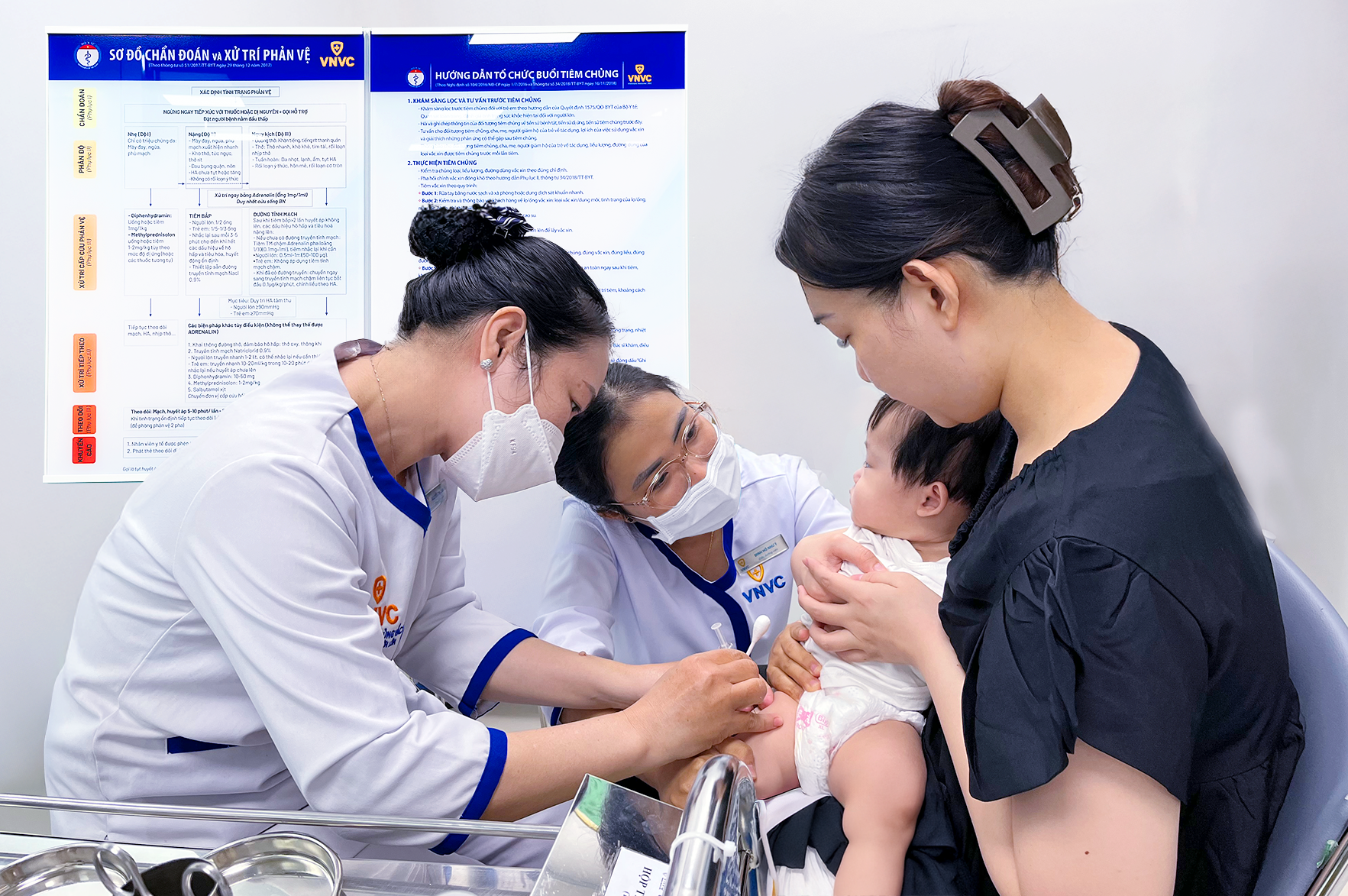 |
Children are brought by parents to receive influenza vaccine at VNVC in District 9, TP HCM. Photo: Dieu Thuan |
Currently, influenza can be prevented through vaccination. The shot can reduce the risk of illness by up to 60%, the risk of hospitalization by 90%, and the risk of death by 70-80%. Vietnam has four types of influenza vaccines available from Vietnam, Korea, the Netherlands, and France, which protect against A/H3N2, A/H1N1, and influenza B strains. These vaccines are indicated for individuals six months of age and older.
Children from six months to under nine years of age who have never been vaccinated against influenza require two doses, administered at least four weeks apart. Children nine years and older, as well as adults, need one dose. Pregnant women can receive the vaccine at any stage of pregnancy, with the second trimester being optimal. Antibodies from the influenza vaccine gradually decrease after six-12 months, and the influenza virus continuously mutates. Therefore, everyone should receive an annual influenza vaccine booster to maintain immunity.
In addition to influenza, it is crucial to receive other respiratory disease vaccines, such as those for pneumococcal disease (five types), RSV, measles, chickenpox, Hib, whooping cough, and meningococcal disease. These help reduce the risk of co-infection and severe complications. Pfizer's RSV vaccine is administered to pregnant women between 24-36 weeks of gestation, transmitting antibodies via the placenta to protect infants during their first six months of life. It is also available for individuals 60 years of age and older. Infants up to 24 months of age can receive Sanofi's RSV monoclonal antibody. Measles and chickenpox vaccines, available as single or combined doses (which also protect against mumps and rubella), provide up to 98% protection when two doses are completed.
Tuan Minh
On 11/12 at 8 p.m., the VNVC Vaccination System will host an online consultation program titled "Influenza, Pneumonia, RSV & Dangerous Respiratory Diseases at Year-End - Effective Prevention with Vaccines." The program will feature expert consultations from:
Resident Doctor La Quy Huong, Department of Respiratory Medicine, Tam Anh General Hospital Hanoi; Master, Doctor Nguyen Van Quang, Medical Manager, VNVC Vaccination System.
The program will be broadcast on the media channels of VnExpress, VNVC, Tam Anh General Hospital, and Nutrihome nutrition clinic. Readers can submit questions here.