Eng English
China 中国人

Eng English
China 中国人
  • News
  • World
  • Business
  • Entertainment
  • Sports
  • Law
  • Education
  • Health
  • Lifestyle
  • Travel
  • Science
  • Digital
  • Automobiles
  • Trở lại Thể thao
  • Health
Wednesday, 10/6/2026 | 15:02 GMT+7

How long do osteoporosis medications work?

Each type of osteoporosis medication has different dosages and durations, but treatment is typically prescribed for about 3-5 years.

Osteoporosis is a condition where bone density gradually decreases over time, making bones thinner, more brittle, and prone to fractures from even mild trauma. This condition commonly affects the elderly, post-menopausal women, and individuals with long-term use of alcohol, tobacco, or corticosteroids.

Dr. Nguyen Van Tu, from the Internal Medicine - Musculoskeletal Department at Tam Anh General Hospital Ho Chi Minh City, explains that current osteoporosis medications are diverse, available in oral, injectable, or intravenous forms. The treatment duration is usually at least 3-5 years. After this period, doctors reassess bone density and consider subsequent treatment options. The reason for this extended duration is the slow process of bone turnover. If medication is stopped before the minimum treatment time, the body cannot accumulate enough medication to restore bone mass and density, leading to a rapid loss of any improved bone quantity.

However, prolonged use of these medications can excessively inhibit bone regeneration, hindering the natural repair of micro-damage. This can lead to rare but serious complications such as jaw osteonecrosis, femur fractures, and esophageal ulcers due to gastrointestinal irritation. After 3-5 years, if bone density has improved well and the risk of fracture is reduced, doctors may discontinue the medication or switch to different types. This approach helps maintain effectiveness and mitigate risks associated with sudden cessation, especially for injectable forms.
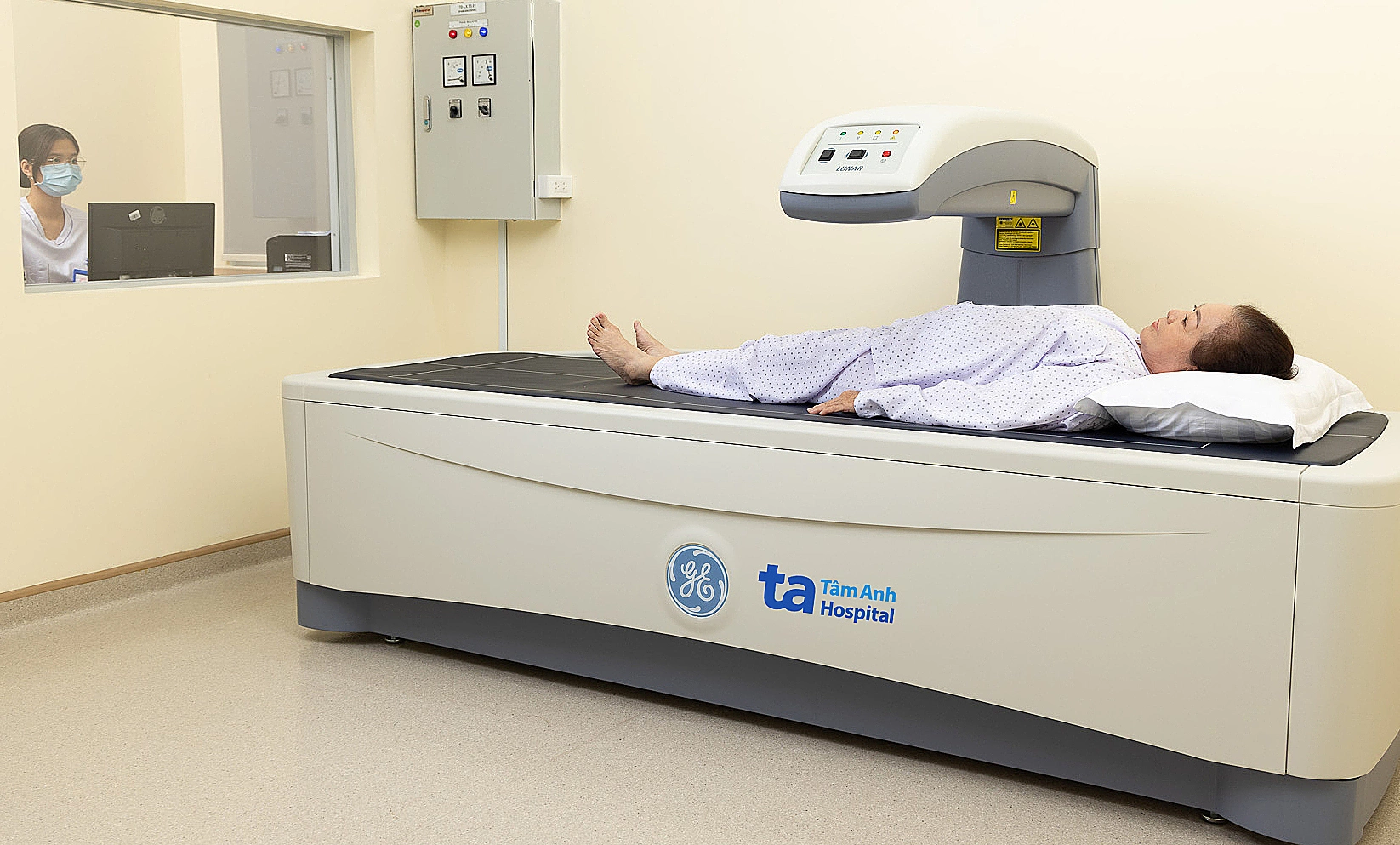
DEXA measurement is a primary method for diagnosing osteoporosis. Photo: Tam Anh General Hospital

Dr. Tu notes that each medication type has specific dosages. Oral medications are typically taken weekly or monthly. While common, they can sometimes cause gastrointestinal irritation, requiring patients to strictly adhere to timing and administration methods for optimal effectiveness.

For severe osteoporosis or a high risk of fracture, biological injections or anti-osteoporosis infusions are often prescribed. Biological medications work by inhibiting the RANKL protein, which is responsible for bone destruction. This slows bone resorption and strengthens bones through the body's natural regeneration mechanisms. Patients typically receive these injections once every 6 months.

Intravenous infusions usually involve solutions containing zoledronic acid. This medication is absorbed by the bones, inhibiting the activity of osteoclasts (bone-destroying cells), thereby slowing bone destruction and reducing bone loss. With this method, patients receive the infusion once a year.

Dr. Tu explains bone density measurement results to a patient. Photo: Tam Anh General Hospital

To optimize treatment effectiveness, Dr. Tu emphasizes that patients must not only follow medication instructions but also increase their intake of vitamin D and calcium-rich foods. Regular, moderate exercise is also crucial to boost bone density and strengthen bones.

Patients should consult a doctor before using dietary supplements. Excessive intake can lead to an overload of vitamin D or calcium, increasing the risk of kidney stones, constipation, and calcium accumulation in the blood. Regular follow-up appointments or immediate consultation upon noticing any unusual signs are essential for doctors to timely assess and adjust the treatment regimen if needed.

Phi Hong

By VnExpress: https://vnexpress.net/thuoc-dieu-tri-loang-xuong-co-tac-dung-bao-lau-5084115.html
Tags: musculoskeletal diseases osteoporosis treatment drugs

News in the same category

Healthy lung habits from a young age

Healthy lung habits from a young age

Getting enough sleep, eating plenty of fruits and vegetables, limiting added sugar, and reducing exposure to smoke and dust are habits that help maintain healthier lungs long-term.

Why does myopia occur in adulthood?

Why does myopia occur in adulthood?

A 32-year-old individual, who previously had good vision and never wore glasses, recently had an eye exam revealing a 1,5 diopter prescription for the right eye and 2 diopters for the left. Why does myopia appear in adulthood? (Thanh, Tay Ninh)

Four surgeries to find sperm for in vitro fertilization

Four surgeries to find sperm for in vitro fertilization

Phong, 35, infertile for 8 years, found sperm for in vitro fertilization to have a child after four testicular surgeries.

Four evening habits that negatively impact blood pressure

Four evening habits that negatively impact blood pressure

Consuming alcohol, overeating, and drinking caffeinated beverages close to bedtime are habits that can temporarily disrupt blood pressure.

Standardizing chemical skin regeneration in melasma treatment

Standardizing chemical skin regeneration in melasma treatment

Amidst the growing popularity of aesthetic procedures, experts emphasize the need for standardized and controlled skin regeneration processes, encompassing indications and techniques.

How to supplement protein to enhance health

How to supplement protein to enhance health

Prioritize quality protein sources from fish, eggs, and soybeans, distribute them evenly throughout the day, and control consumption to optimize nutrient absorption.

Sudden cardiac arrest during sports

Sudden cardiac arrest during sports

A 42-year-old man playing sports suddenly experienced chest pain, shortness of breath, then sudden cardiac arrest.

Acute rhabdomyolysis after electric shock

Acute rhabdomyolysis after electric shock

A 39-year-old man, Nguyen Tuan, developed chest tightness, muscle aches, and dark urine after an electric shock, leading doctors to diagnose acute rhabdomyolysis.

Can children with hand, foot, and mouth disease eat shrimp?

Can children with hand, foot, and mouth disease eat shrimp?

My 4-year-old child has had hand, foot, and mouth disease for two days, with a mild fever and many mouth sores, causing a loss of appetite. Is it necessary to avoid shrimp, or will it prolong the illness? (Ha Ngan, Dong Nai)

New health insurance benefits effective from July 1

New health insurance benefits effective from July 1

Starting July 1, several new health insurance regulations will expand benefits for patients, especially for out-of-network care and low-cost medical examinations.

Eng English
China 中国人
  • News
  • World
  • Business
  • Entertainment
  • Sports
  • Law
  • Education
  • Health
  • Lifestyle
  • Travel
  • Science
  • Digital
  • Automobiles
FPT Tower, 10 Pham Van Bach Street, Dich Vong Ward,
Cau Giay District, Hanoi, Vietnam
Email: contacts@vnportal.net
Tel: 028 7300 9999 - Ext 8556
Advertise with us: 090 293 9644
Register
© Copyright 2026 vnnow.net. All rights reserved.
Terms of use Privacy policy Cookies