Overeating
According to WebMD, consistently eating large meals over an extended period promotes the accumulation of excess body fat, leading to weight gain and obesity. The body diverts a significant amount of blood to the stomach and intestines for digestion. This forces the heart to pump harder and faster, increasing pressure on blood vessel walls and causing a temporary rise in blood pressure. Individuals should eat slowly, chew thoroughly, and consume moderate portions for better digestion.
Drinking alcohol
Consuming alcohol in the evening can elevate blood pressure through various mechanisms. Alcohol stimulates the sympathetic nervous system, causing the heart to beat faster and blood vessels to constrict, which temporarily increases blood pressure.
Additionally, alcohol disrupts sleep, making it difficult for the body to rest and recover. Poor sleep quality is linked to an increased risk of hypertension and cardiovascular diseases. Alcohol can also diminish the effectiveness of some hypertension medications, complicating disease management.
 |
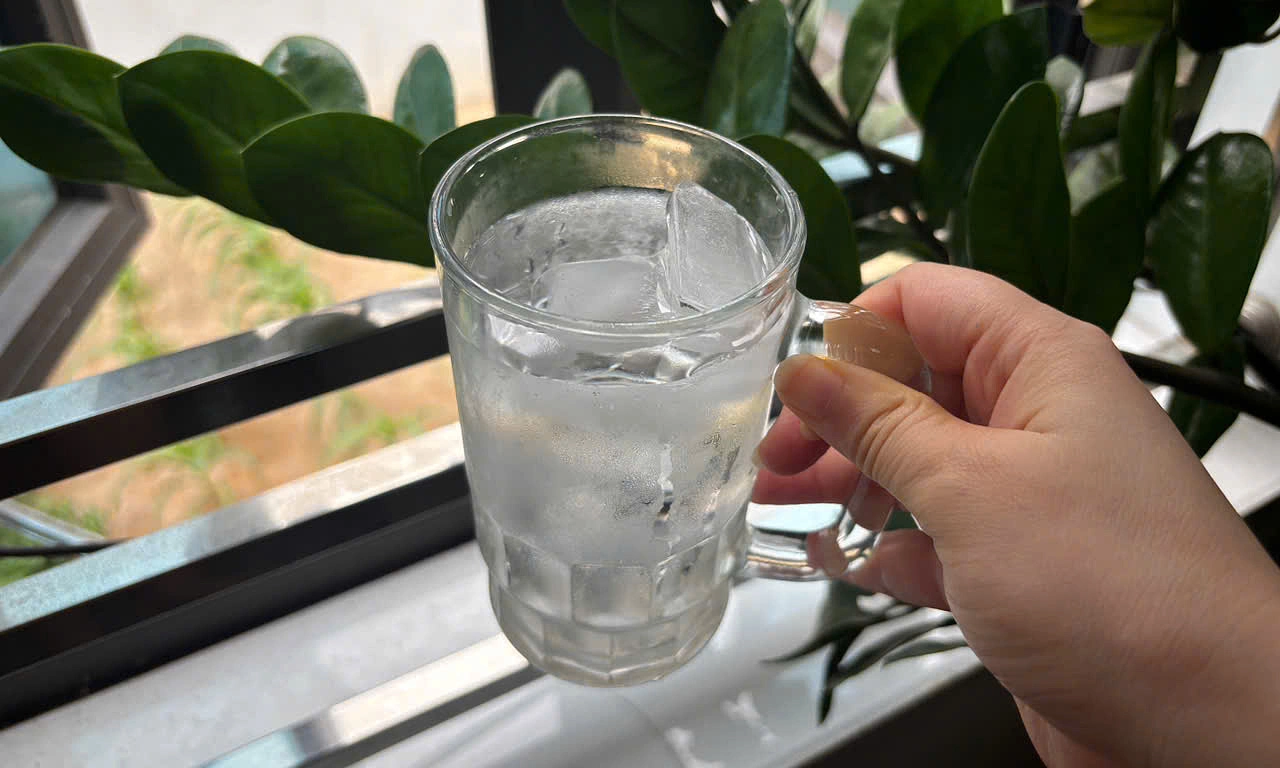
Drinking coffee in the evening can cause temporary blood pressure imbalance. *Photo: May Pham*
Drinking coffee
Consuming coffee in the evening can also affect blood pressure, especially in individuals sensitive to caffeine or those with existing health conditions. Caffeine stimulates the nervous system, accelerates heart rate, and causes a temporary increase in blood pressure for several hours after consumption.
To protect cardiovascular health, it is advisable to limit evening coffee intake and monitor the body's reaction after use. In the evening, individuals with high blood pressure should opt for beverages that support blood vessel relaxation, such as chamomile tea, hibiscus tea, or a warm cup of low-fat milk.
Stress
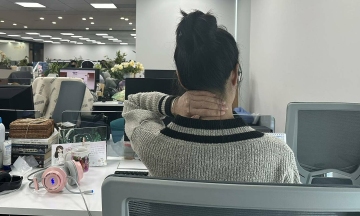
When stressed, the body releases hormones like adrenaline and cortisol, which cause the heart to beat faster, blood vessels to constrict, and blood pressure to rise temporarily. Prolonged stress increases the risk of cardiovascular disease.
Beyond its direct impact on the circulatory system, stress can also lead to unhealthy habits such as overeating, alcohol consumption, smoking, or insufficient sleep, according to Times of India.
To mitigate evening stress, individuals should dedicate time to relax after work by listening to music, reading, or conversing with family members. Limiting phone and computer use and avoiding exposure to anxiety-inducing information before sleep is also recommended. Techniques like deep breathing, meditation, or warm baths can help the body and mind unwind.
Le Nguyen (Compiled)
| Readers can submit questions about cardiovascular disease here for a doctor's response |