Doctor Nguyen Thi Minh Duc, Head of the Neurology Department at the Neuroscience Center, Tam Anh General Hospital, Ho Chi Minh City, stated that the bacterium *Neisseria meningitidis*, which causes meningococcal disease, can reside asymptomatically in the nasopharynx. It spreads from person to person through respiratory droplets during close or prolonged contact. In some cases, *Neisseria meningitidis* can breach the mucous membranes, enter the bloodstream, and then invade the nervous system, causing meningitis.
The meninges are protective membranes surrounding the brain and spinal cord. Once past the blood-brain barrier, the bacteria can proliferate in the cerebrospinal fluid, triggering an inflammatory response. This inflammation gradually increases blood vessel permeability, allowing fluid to leak into tissues and causing brain swelling. Because the skull has a fixed volume, prolonged swelling elevates intracranial pressure, affecting blood flow and neuronal activity. Inflammation can also obstruct cerebrospinal fluid circulation or damage cerebral blood vessels, complicating the disease's progression.
Patients typically experience symptoms such as: fever, headache, and a stiff neck, possibly accompanied by nausea, vomiting, and photophobia (sensitivity to light). Severe meningococcal meningitis can lead to confusion, lethargy, seizures, or coma. Initial symptoms may resemble common infections but can progress rapidly within hours.
The disease can also lead to sepsis, occurring either independently or alongside meningitis. Bacteria in the bloodstream damage blood vessel walls, causing subcutaneous hemorrhage, hypotension, and shock. When circulation is compromised, the brain is at risk of ischemia and hypoxia, exacerbating neurological damage.
 |
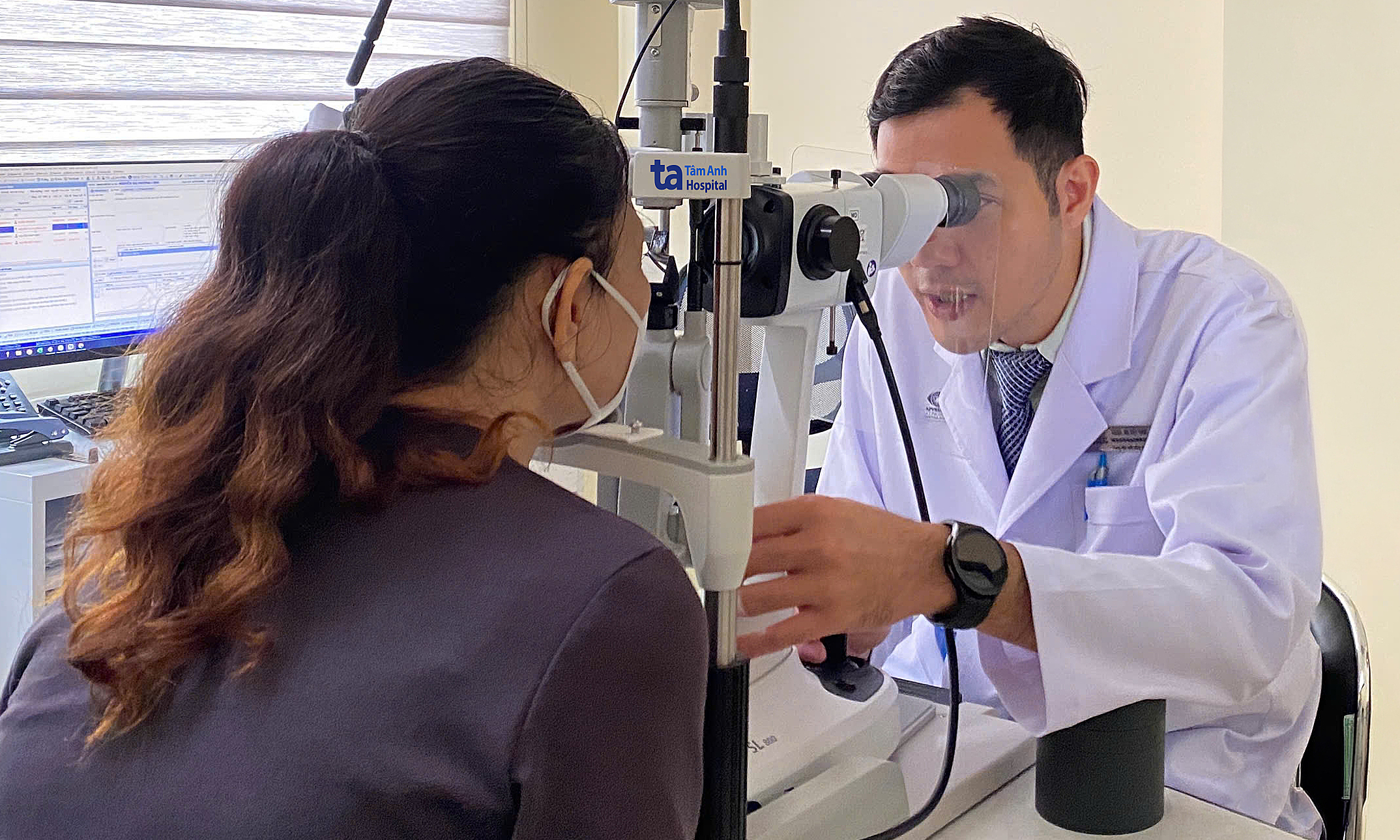
Doctor Minh Duc is consulting a patient. *Illustration: Tam Anh General Hospital*. |
Doctor Duc advises that individuals experiencing sudden fever accompanied by severe headache, stiff neck, or altered consciousness should seek medical attention. Depending on the case, doctors may order: blood tests, CT or MRI scans, or a lumbar puncture (spinal tap) to identify the infection, causative agent, and assess damage and complications. If infectious meningitis is suspected, patients must adhere to the doctor's treatment protocol without delay.
Following the acute phase, some patients may experience hearing loss, seizures, limb weakness, or difficulties with memory, language, and concentration. The extent of recovery depends on the damage and disease progression. Patients need follow-up appointments to assess neurological function, hearing, and undergo rehabilitation as prescribed, even after their fever has subsided.
 |
People receiving meningococcal vaccines at VNVC. *Photo: Provided by VNVC*. |
Doctor Duc recommends that everyone get vaccinated against meningococcal disease as advised. Regularly wash hands, maintain well-ventilated living spaces, and avoid sharing drinking glasses or toothbrushes. Avoid close contact with infected individuals. If accidental contact occurs, contact a healthcare facility for assessment and prophylactic antibiotics if necessary, rather than self-medicating.
Trong Nghia
| Readers can submit questions about neurological diseases here for doctors to answer |