Vietnam is entering a phase of population aging at one of the fastest rates globally. In 2011, the elderly accounted for about 9.9% of the population; a year later, this figure exceeded 10%, marking its entry into the aging phase. By 2038, the proportion of people aged 60 and older is expected to reach about 20%.
Currently, the country has about 16.1 million elderly people, comprising over 16% of the population. Projections indicate that Vietnam's aging index will surpass 100 by 2032, the point at which the number of elderly people will outnumber children.
A concerning health reality is the phenomenon of "immunological aging," as stated by Deputy Minister of Health Nguyen Tri Thuc during his visit and working trip to the United Kingdom from 16-20/3. As people age, their immune systems naturally decline, leaving older adults without a protective shield against harmful agents. This is the primary reason why this group is susceptible to non-communicable diseases such as cardiovascular conditions, diabetes, cancer, and respiratory illnesses.
This situation becomes more dangerous when immune decline combines with existing underlying medical conditions, leading to "disease stacked on disease." Consequently, treatment becomes more complex, prolonged, and significantly more costly compared to younger individuals.
Globally, infections account for about 33% of total deaths in people over 60 years old. Respiratory infections top the list of causes, notably bacterial pneumonia, respiratory syncytial virus (RSV), seasonal flu, and Covid-19.
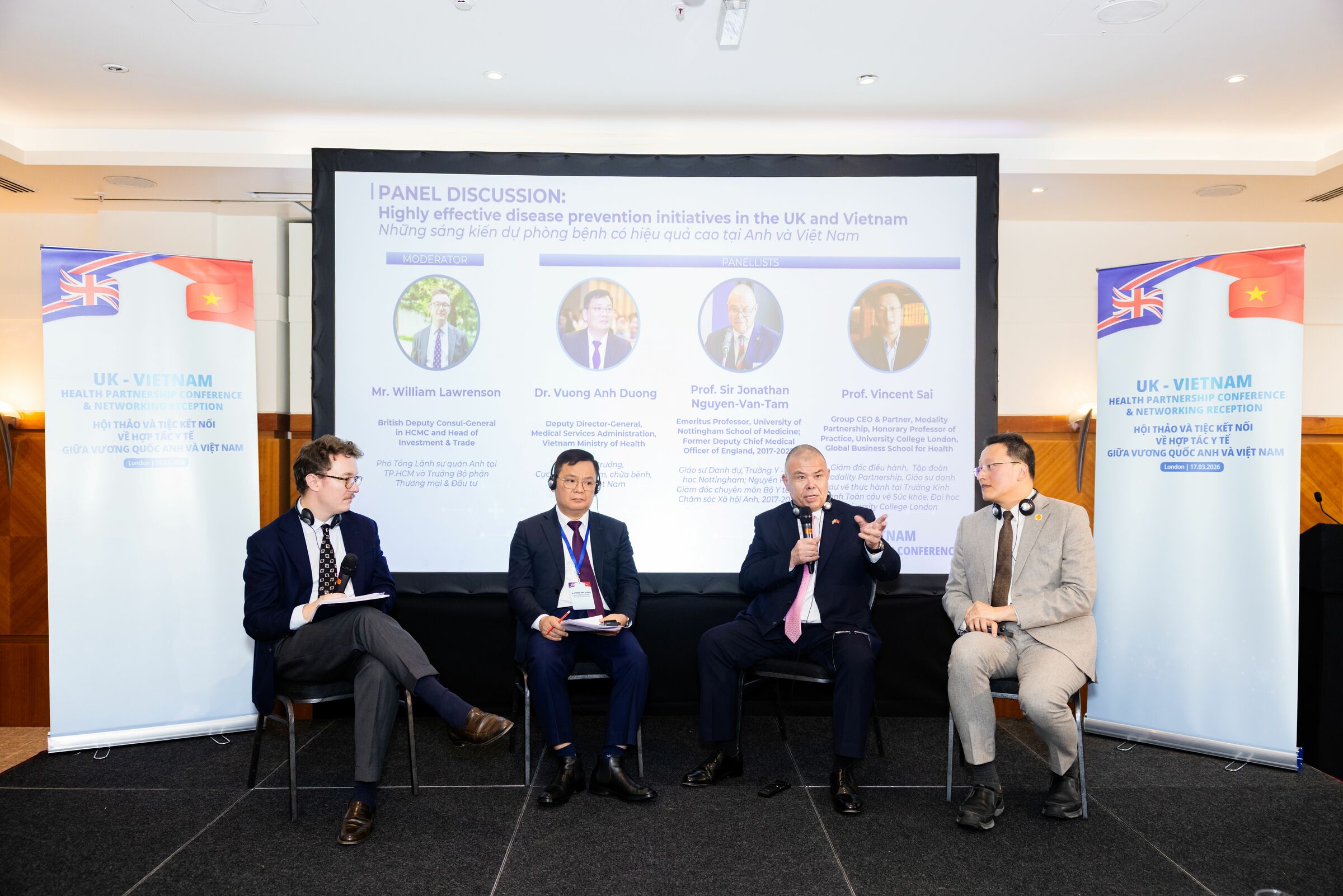 |
Experts discuss at the event. Photo: Organizers
During discussions with UK health authorities on responding to "immunological aging," Sir Jonathan Van-Tam, former Deputy Chief Medical Officer for England, stated: "We need to proactively anticipate trends. The goal is to achieve healthy aging, ensuring that each year lived is of quality, not just extended longevity."
Experts proposed implementing key pillars, including early prevention through vaccines and integrating adult vaccination into chronic disease management systems at hospitals. They also suggested using artificial intelligence (AI) and virtual reality (VR) at Imperial College London to train healthcare professionals in systematic vaccinology. Concurrently, a strategic shift in mindset from focusing on treatment to proactive prevention is necessary.
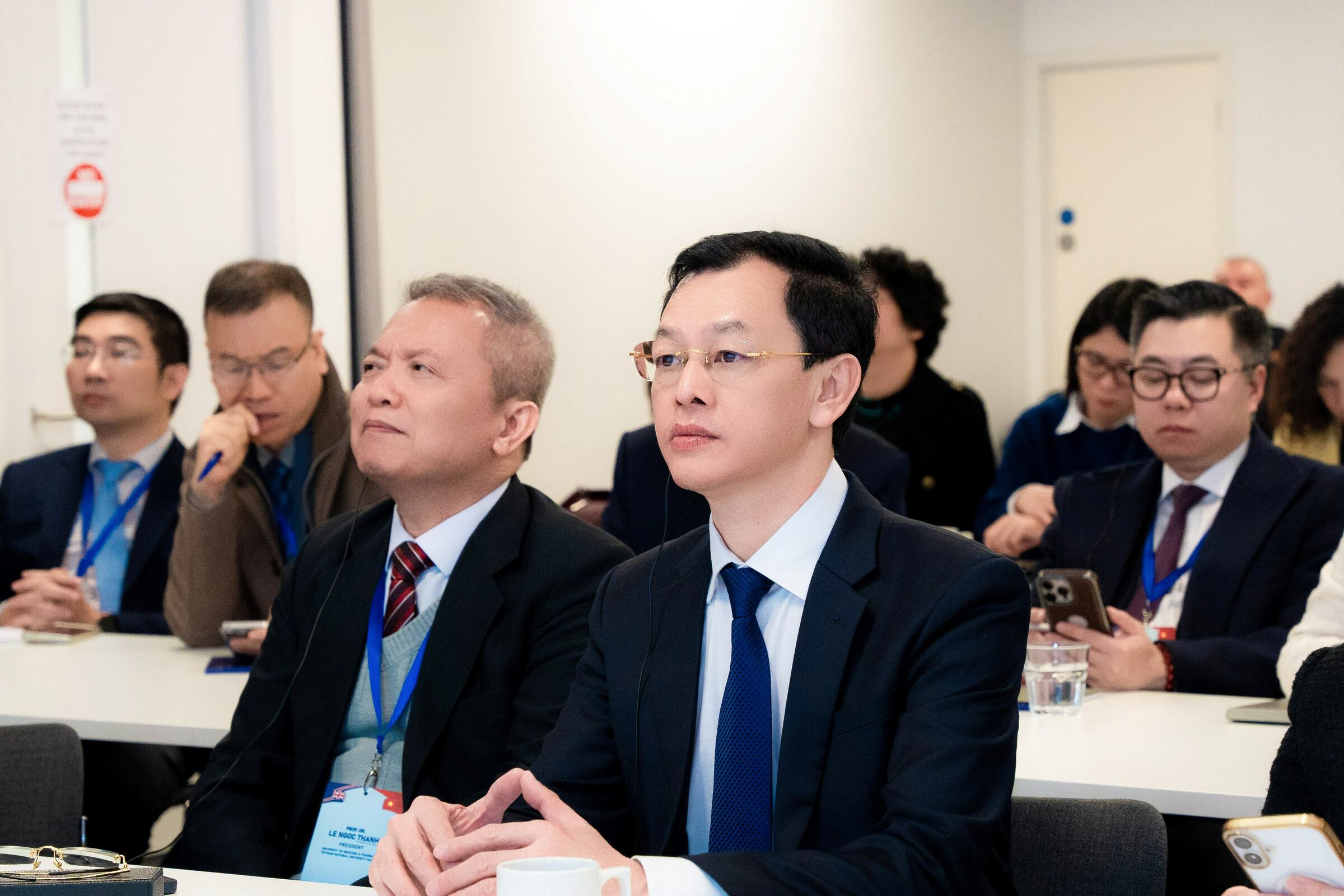 |
Associate Professor, Doctor Nguyen Tri Thuc (top row, right) at the event. Photo: Organizers
Deputy Minister Thuc affirmed that disease prevention is a strategic priority in Vietnam's healthcare system transformation, aligning with the shift from treatment to prevention. "Vietnam welcomes cooperation plans that support integrating preventive measures into routine medical care," he said.
With the collaboration of partners like GSK and the UK Government, Vietnam anticipates building a healthcare workforce prepared to address the challenges of an aging society, helping its citizens achieve "healthy aging."
William Lawrenson, UK Deputy Consul General in Ho Chi Minh City, pledged support for the Vietnam Ministry of Health, expressing confidence that the UK's strengths in science and innovation will contribute to building a sustainable healthcare system that supports healthy aging for the population.
My Y