Answer:
Some trips promise romance: cold European weather, beautiful hotel rooms, a partner by your side. Yet, when it's time to perform, the body remains unresponsive. Difficulty with erections or intimacy during travel, especially in cold climates, is not uncommon and may not indicate a medical condition.
Achieving an erection is a complex process, not simply a matter of desire. This intricate coordination involves the brain, emotions, nerves, hormones, blood vessels, and penile smooth muscle. Erectile dysfunction (ED) is defined as persistent difficulty achieving or maintaining an erection firm enough for sexual activity. A major US survey found that over one-half of men aged 40-70 experience some degree of ED, highlighting its prevalence.
Traveling introduces numerous physical and psychological changes that can impact erectile function. These include jet lag, sleep deprivation, frequent movement, irregular eating, alcohol consumption, cold weather, anxiety, and even the pressure to have a "memorable night." Such factors can overactivate the sympathetic nervous system, shifting the body's priority to adaptation and alertness over sexual arousal. Simply put, the body enters an "adaptation mode" for the new environment, rather than a "honeymoon mode."
Cold weather alone can also contribute. When it's cold, peripheral blood vessels constrict to conserve heat. In contrast, an erection requires vessel dilation and increased blood flow to the corpus cavernosum. When cold, fatigue, stress, and anxiety combine, 'starting up' becomes difficult. This is more likely situational if you maintain desire, morning erections, and normal sexual activity at home.
Another frequently overlooked factor is sexual performance pressure. High expectations for a romantic getaway can lead to anxiety if the body doesn't respond as desired. This anxiety can create a vicious cycle: fear of not achieving an erection makes it harder, increasing pressure for future encounters. In younger men, ED often involves both psychological and physical factors, so avoid hastily attributing it to "weak physiology."
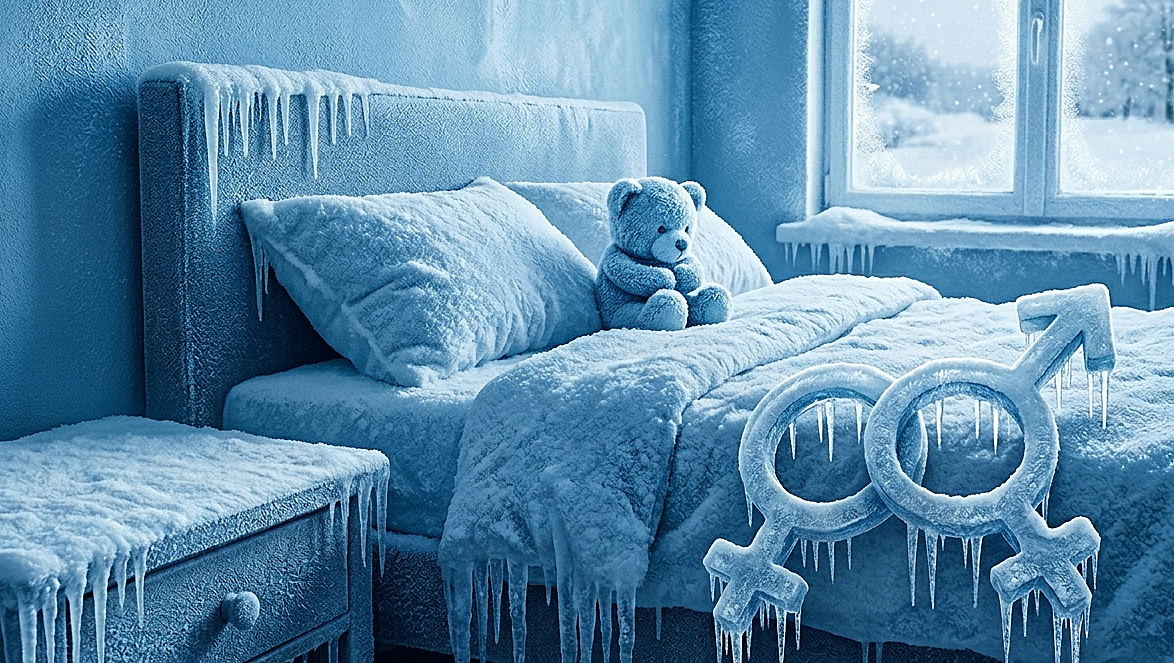 |
AI-generated illustration |
If these difficulties occur only occasionally during travel, particularly when cold, tired, sleep-deprived, or after drinking alcohol, but you experience normal desire, erections, and sexual activity in familiar settings, it is likely situational erectile dysfunction, not a persistent medical condition.
However, consult a urologist if the condition persists for over three months, occurs at home, involves loss of morning erections, a significant decrease in libido, abnormal ejaculation, genital pain, or if you have underlying conditions like diabetes, hypertension, or dyslipidemia. ED can sometimes be an early indicator of vascular, endocrine, or cardiovascular issues.
In summary, erectile difficulty during cold-weather travel is not necessarily a medical condition; it often reflects a temporary bodily response to weather, fatigue, jet lag, or psychological pressure. However, if the issue recurs frequently or appears in daily life, men should seek a comprehensive medical evaluation.
Doctor Tra Anh Duy
Men's Health Center