Leukemia, commonly known as blood cancer, is a group of malignant diseases affecting the blood-forming system. The disease originates in the bone marrow, the body's blood cell production organ. It occurs when blood cells proliferate abnormally and uncontrollably, disrupting the body's normal blood formation process.
Master, Doctor, First-Degree Specialist Le Thi Phuong Thao from the Hematology and Blood Transfusion Unit, Oncology Center, Tam Anh General Hospital TP HCM, states that the exact causes of leukemia are unclear. However, many factors can increase the risk, including toxins, radiation, aging, environmental pollution, and gene mutations.
Gene mutations
A key mechanism linked to leukemia involves gene mutations occurring in hematopoietic stem cells within the bone marrow. Cellular DNA controls cell development, division, and function. When mutations occur, blood cells proliferate abnormally and uncontrollably, failing to develop and differentiate into mature blood cells. This leads to a loss of their normal functions in the body.
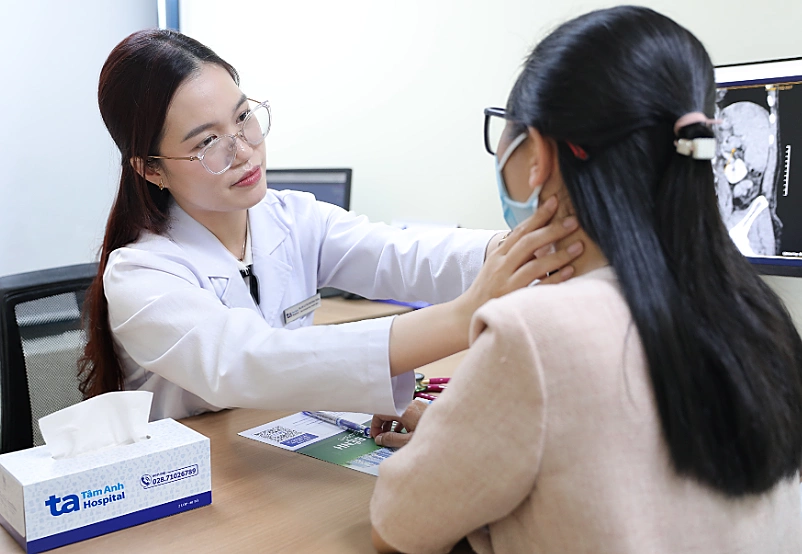 |
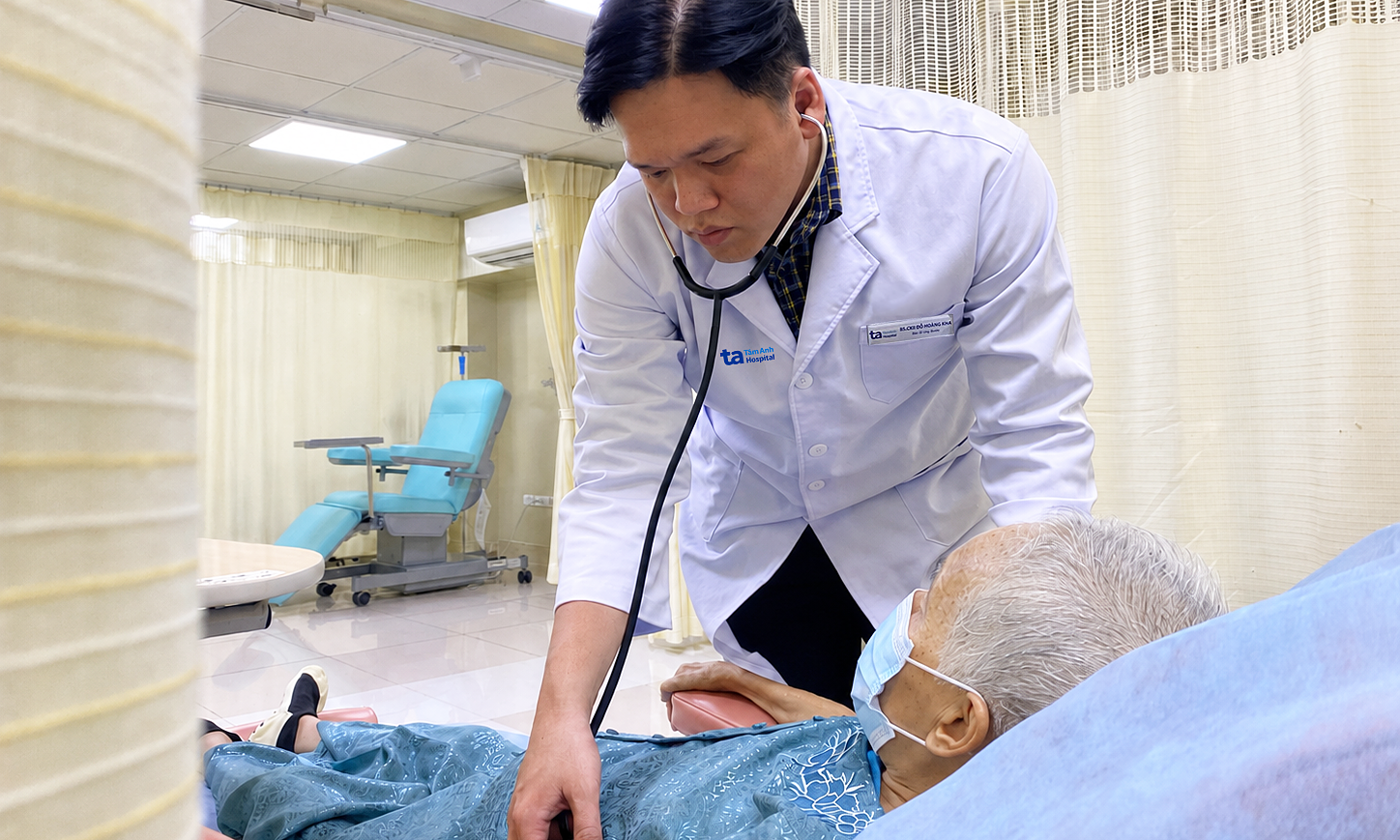
Doctor Phuong Thao examines a patient. Illustrative photo: Tam Anh General Hospital. |
Over time, these abnormal cells gradually outnumber normal blood cells, leading to a reduction in red blood cells, white blood cells, and platelets. This causes symptoms such as anemia, fatigue, pallor, and recurrent severe infections.
Heredity
Most leukemia cases are not directly inherited within families. Mutations often arise during a person's lifetime due to environmental factors or the body's natural aging process. However, certain genetic syndromes can increase the risk of leukemia and other malignancies.
For example, individuals with Down syndrome have a higher risk of developing acute leukemia compared to the general population, especially in children. Rare genetic syndromes like Fanconi anemia, Bloom syndrome, and Li-Fraumeni syndrome are also linked to an increased risk of blood cancer.
Chemical and radiation exposure
Regular exposure to chemicals such as benzene and formaldehyde can increase the risk of certain types of leukemia.
Upon entering the body, benzene metabolizes in the liver, forming toxic intermediates like phenol and hydroquinone. These substances attack the bone marrow, causing chromosomal abnormalities and damage in hematopoietic stem cells. This leads to gene mutations, impairs cell division and differentiation, and results in the death of progenitor cells. Formaldehyde reacts strongly with biological compounds, directly breaking DNA strands and causing gene mutations.
Benzene is used in the production of rubber, plastics, pesticides, dyes, and detergents, and is present in gasoline. Formaldehyde is found in some building materials and household products.
Additionally, exposure to high doses of ionizing radiation, such as after a nuclear accident or in some medical radiation therapy cases, can damage cells and increase leukemia risk, according to Doctor Thao.
Aging
Age is a significant risk factor. As the body ages, cells undergo numerous divisions and repairs, increasing the likelihood of genetic errors and gene mutations.
History of cancer treatment
Individuals who have previously undergone chemotherapy or radiation therapy for other cancers have a higher risk of developing secondary leukemia in the future. This is because the treatment process disrupts blood cell production. Some treatment drugs can destroy the DNA of healthy cells.
However, Doctor Thao emphasizes that having a risk factor does not guarantee developing the disease. Many people with risk factors never develop leukemia, while some cases occur without any clear identifiable cause.
To improve overall health, everyone should maintain a healthy lifestyle, including a balanced and diverse diet, sufficient sleep, avoiding late nights, regular exercise, and stress management.
Nguyen Tram