Fasting for at least 6-8 hours, ideally overnight, is essential before a gastroscopy to ensure clear visualization. Residual food can obstruct the view, hindering the assessment of the stomach lining and the detection of abnormalities like inflammation, ulcers, polyps, or tumors.
This fasting period ensures the stomach is empty, significantly reducing the risk of aspiration. If the stomach is not adequately cleared, food and gastric fluids can reflux, leading to accidental inhalation into the airways and lungs.
 |
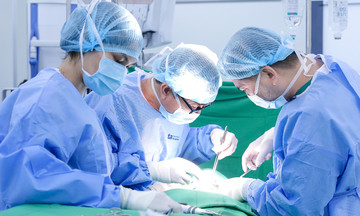
Doctor Phu performing a gastroscopy for a patient. Photo: Tam Anh General Hospital |
Sedated gastroscopy is now common, minimizing patient discomfort and enhancing screening effectiveness. Failure to fast means the stomach is not empty before the procedure, and anesthetics can relax swallowing and digestive muscles, increasing the risk of vomiting or aspiration. Patients may drink a small amount of plain water up to two hours before the gastroscopy.
Patients with conditions like pyloric stenosis or delayed gastric emptying may require a longer fasting period. It is crucial to inform the doctor about any antiplatelet or anticoagulant medications being taken, as these increase bleeding risk and can interact with other drugs. The doctor may adjust medication dosages or types, especially before any surgical or procedural interventions, to mitigate bleeding risks.
Specialist Doctor Level I Ho Quang Phu
Gastrointestinal Endoscopy Department
Tam Anh General Clinic, District 7
| Readers can submit questions about digestive diseases here for the doctor to answer. |