According to Doctor Tran Van Thang, Deputy Director of Lac Viet Friendship Hospital (Phu Tho facility), this strategic and humane decision aims to help patients maintain long-term treatment without financial pressure. The hospital also seeks to demonstrate the role of private healthcare in sharing the burden of dialysis patients with the public health system.
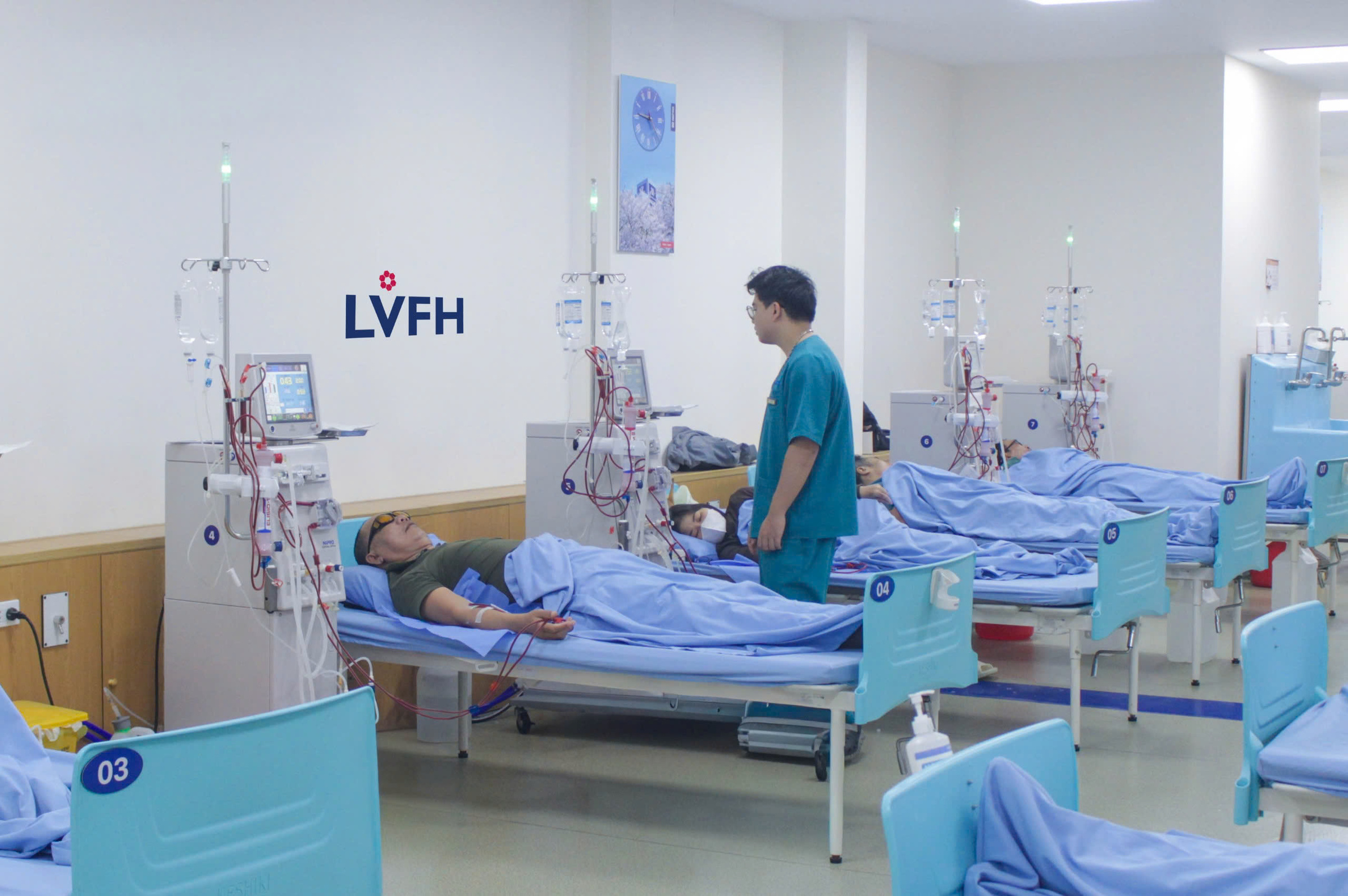 |
Lac Viet Friendship Hospital admits patients for dialysis and blood filtration. *Photo: Lac Viet Friendship Hospital*. |
Lac Viet Friendship Hospital developed its Dialysis and Blood Filtration Unit to help patients maintain regular dialysis, minimize interruptions, and ensure continuous monitoring. The unit is also ready to admit patients from various provinces and cities, helping to alleviate pressure on higher-level facilities.
To achieve this, the hospital invested in modern equipment, including high flux filters, ultra-pure RO water, and single-use bloodline sets. The specialized medical team comprises experienced doctors from central-level hospitals. Lac Viet Friendship Hospital also partners with Nipro Group (Japan) to standardize procedures and enhance treatment effectiveness. Furthermore, the treatment process is systematically implemented, from screening to protocol development.
Lac Viet Friendship Hospital is part of the Lac Viet Hospital System, which has developed over 20 years. Thang Long Lac Viet International Hospital, the third facility located in Hanoi, also provides kidney and dialysis treatment. In the future, the system will continue to invest, collaborate professionally, apply technology, and expand its capacity to reduce the burden on central hospitals and support patients with long-term treatment.
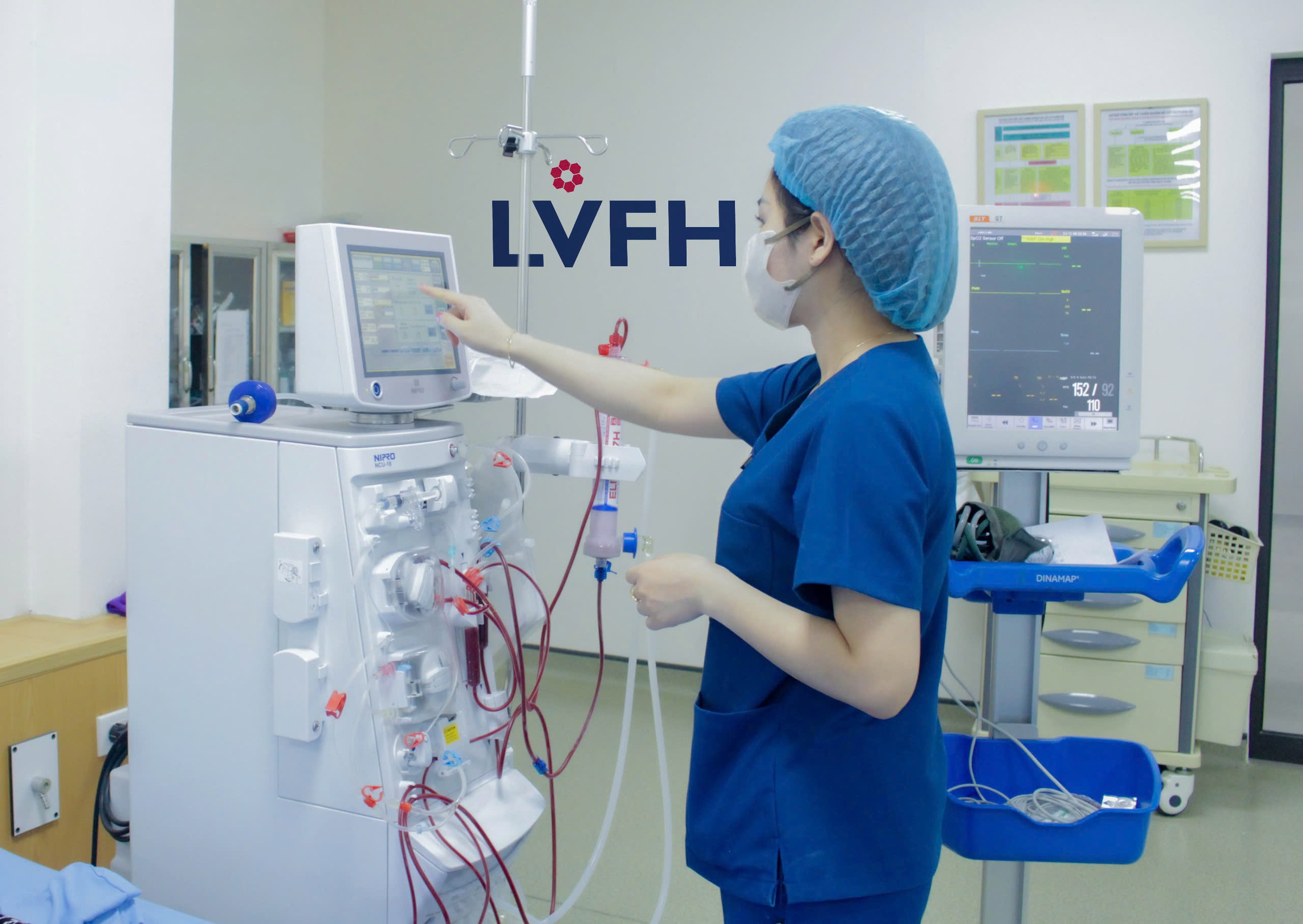 |
Medical equipment adheres to Japanese standards. *Photo: Lac Viet Friendship Hospital*. |
Hemodialysis is a treatment method for individuals with acute kidney failure or end-stage kidney disease. This extracorporeal blood purification process involves drawing the patient's blood out through a dialysis machine, passing it through a filter to remove waste products and excess fluid, thereby replacing the natural function of the kidneys. After purification, the blood is returned to the body. Patients with end-stage chronic kidney disease are typically prescribed cyclical dialysis, totaling 12 hours per week, meaning each session lasts 3 to 4 hours, three times a week, on alternate days.
The Ministry of Health reports that 10% of the population, approximately 10 million people, live with chronic kidney disease, but only 20% to 30% of these patients effectively manage their condition. Many patients' negligence allows the disease to progress to late stages, creating a burden for themselves, their families, and society. Only 5% of these end-stage patients can access kidney replacement therapies, such as dialysis or kidney transplantation.
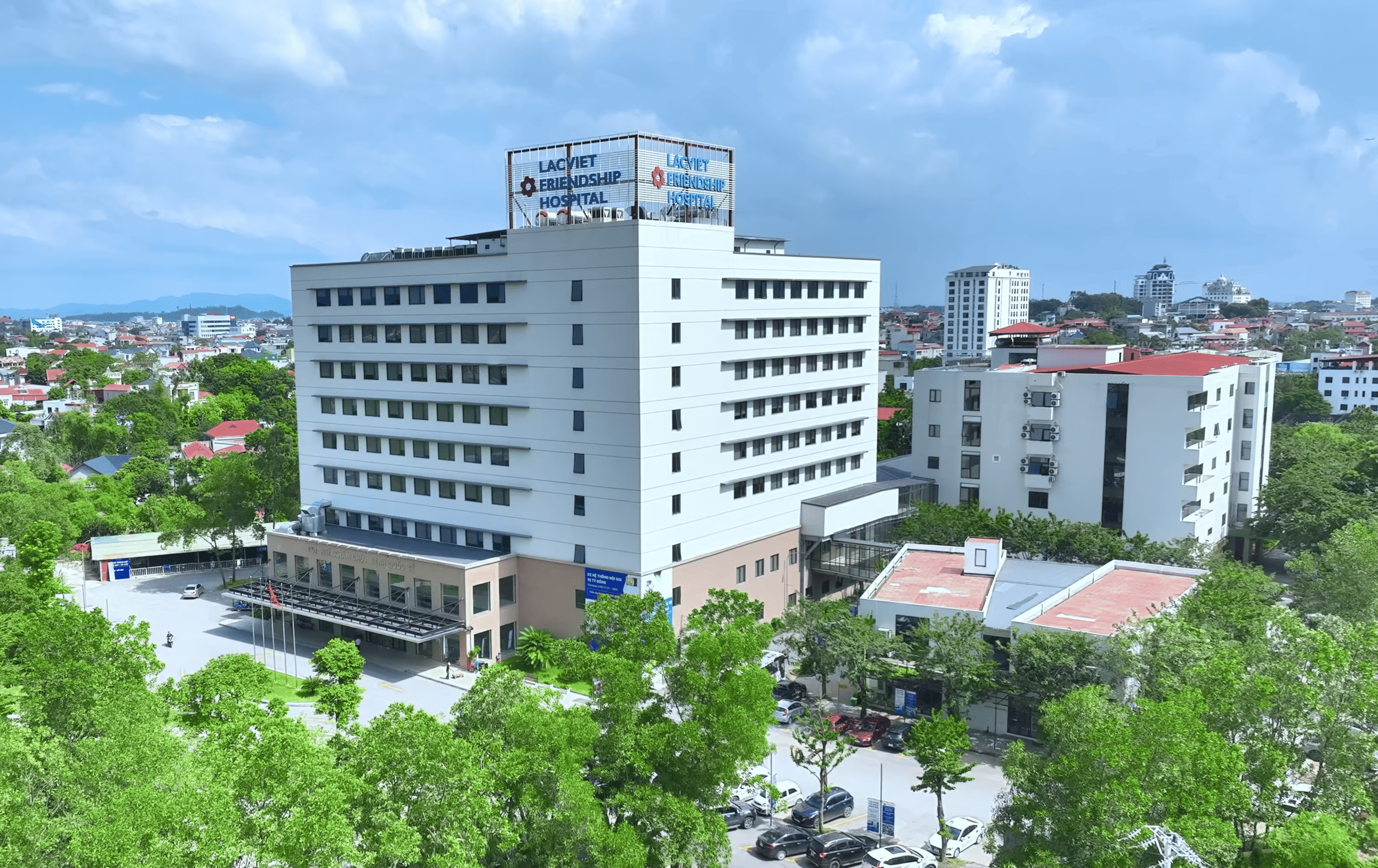 |
Lac Viet Hospital System (LVFH) has developed over 20 years. *Photo: Lac Viet Friendship General Hospital*. |
The number of chronic kidney disease cases in Vietnam is rising, leading to a growing demand for lifelong regular dialysis. Long-term, high-frequency, and costly treatment places a significant burden on both patients and the healthcare system, especially at central-level hospitals, which are consistently overloaded.
Beyond Lac Viet Friendship Hospital, many other private hospitals also offer hemodialysis services with health insurance coverage starting from 80%.
Van Ha