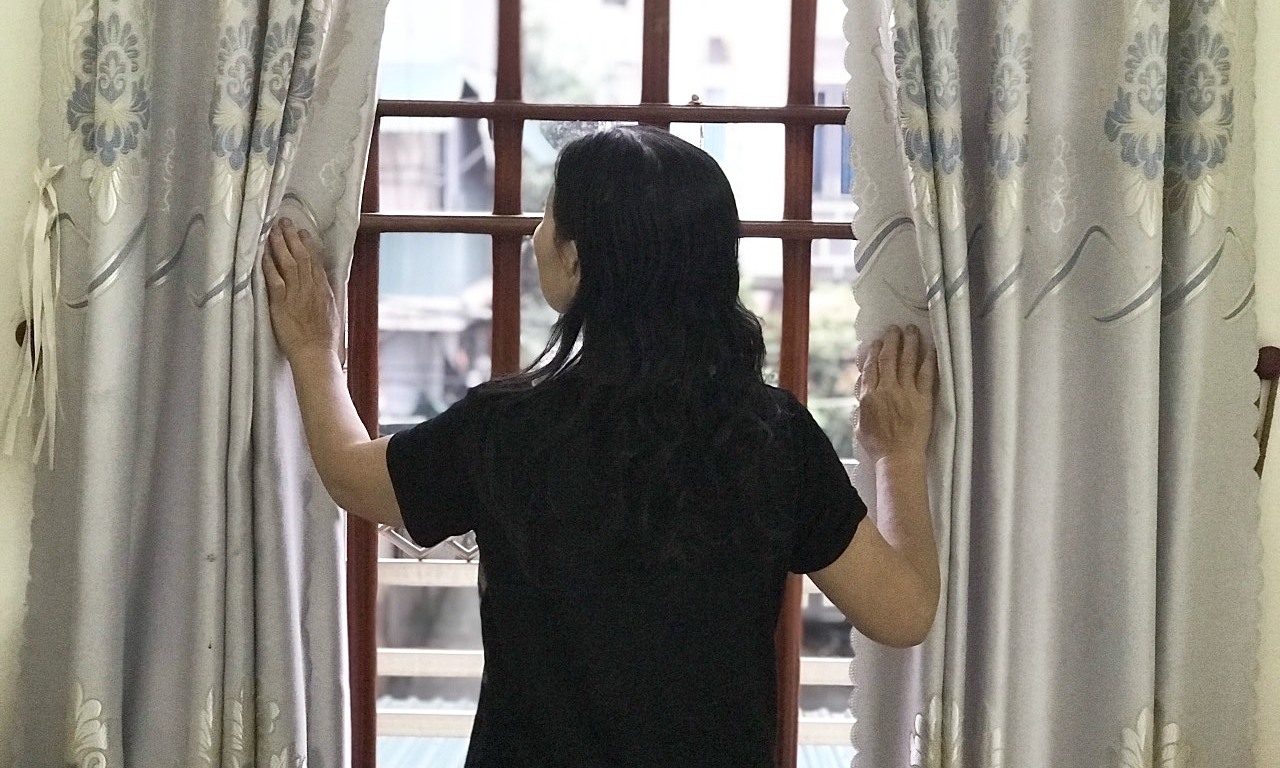
Doctor Nguyen Huy Hoang, from the Vietnam Undersea and Hyperbaric Medicine Association, explained that beyond weather conditions, several seemingly harmless daily habits can significantly elevate stroke risk. Among these, the practice of standing directly in front of a high-speed fan to cool down after sun exposure can induce a harmful "cold shock" to the body, increasing the risk of facial paralysis, stroke, and respiratory failure.
When active under intense sun, the body dissipates heat by dilating capillaries and producing heavy sweating. This process leads to dehydration and electrolyte loss, resulting in blood thickening, which forces the heart to pump harder to maintain circulation.
If you are immediately exposed to a cold air stream from a fan or air conditioner at this point, your skin temperature will suddenly drop, triggering a "cold shock reflex". The nervous system instantly commands all peripheral blood vessels to constrict to conserve warmth. This simultaneous vasoconstriction causes blood pressure to surge to its maximum level within seconds. For the elderly, or individuals with hypertension or atherosclerosis, this extreme pressure can easily rupture blood vessels in the brain, leading to cerebral hemorrhage, or even blockages that result in cerebral infarction.
When cold air blows directly onto the area behind the ear and jaw, the small blood vessels supplying the 7th cranial nerve constrict. Consequently, many individuals wake up to find one side of their face paralyzed, with a deviated philtrum, a drooping corner of the mouth, and the affected eye unable to close completely (lagophthalmos).
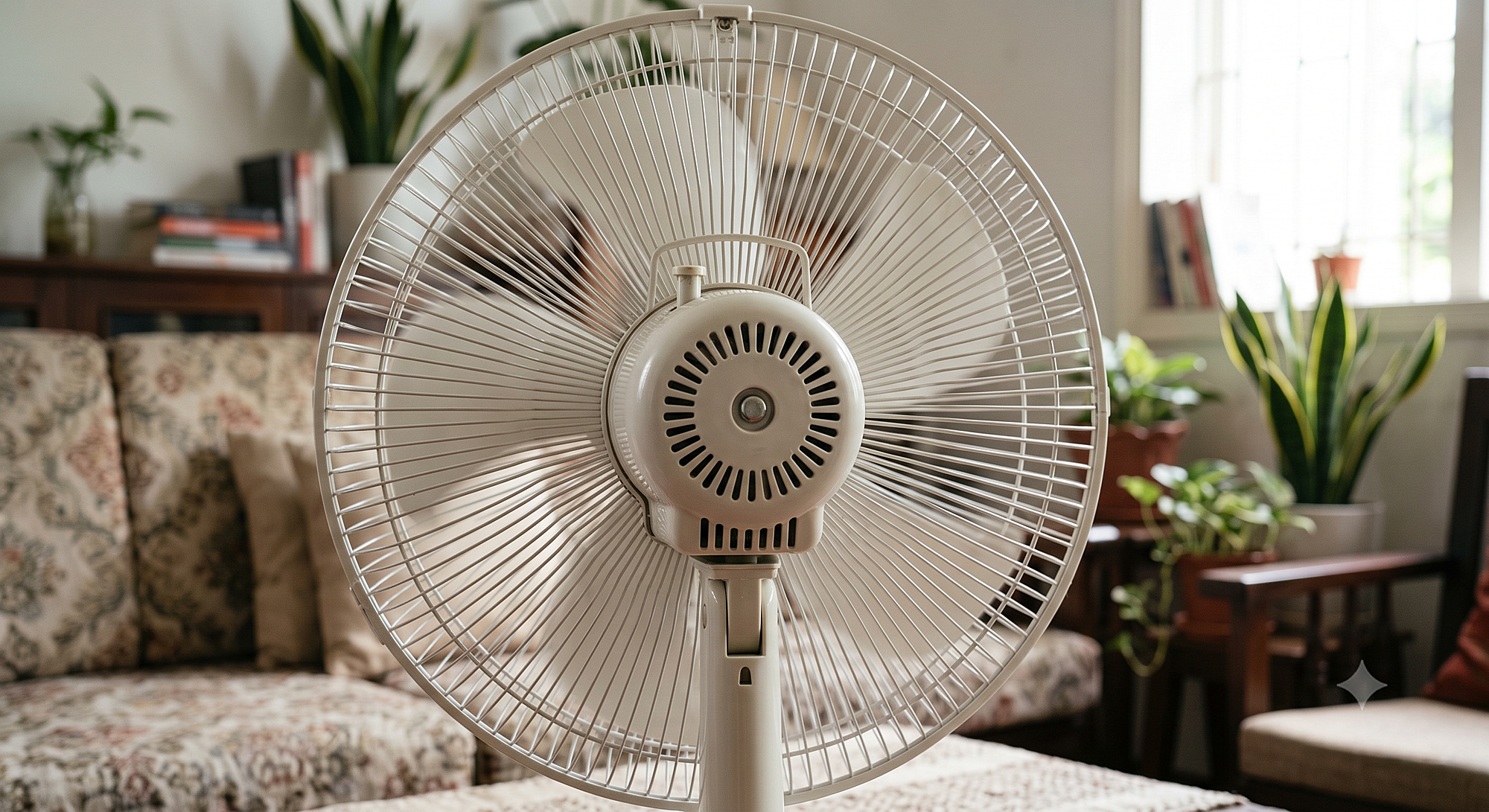 |
Illustration: AI |
To protect health during hot weather, people should avoid the habit of seeking immediate coolness. Instead, rest for 20 to 30 minutes in a shaded, naturally breezy area. This allows blood vessels to constrict gradually, sweat to dry, and helps stabilize blood pressure and heart rate before entering a cool room.
Operate fans in oscillation mode or direct the fan head towards a wall to allow air to circulate indirectly. For air conditioners, adjust the louvers to direct airflow towards the ceiling. Never allow air to blow directly onto your head, face, or the nape of your neck.
Wipe off sweat before entering a room. Maintain air conditioner temperature at 25-26°C, ensuring a difference of no more than 5-7°C compared to the outdoor temperature. Consider using a humidifier and clean air conditioner filters every 3 to 6 months. Drink sufficient water or electrolyte drinks to help thin the blood and prevent thickening that can lead to blood clots. Limit alcohol, beer, and coffee consumption immediately after sun exposure, as these act as diuretics and cause rapid dehydration.
If you experience symptoms such as mouth drooping, inability to close an eye completely, numbness or weakness in limbs, slurred speech, or a severe headache after using air conditioning, call emergency services at 115 immediately. Crucially, do not attempt traditional remedies like 'cao gio' (coin rubbing) or other folk methods, as this can waste the critical window for effective medical treatment.
Thuy An