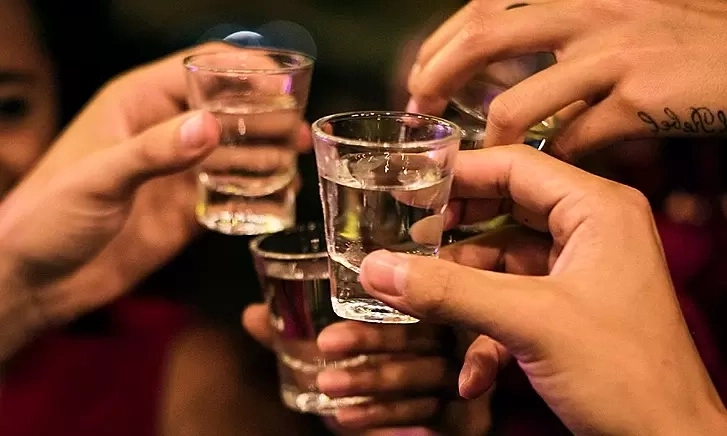
The idea that white liquor causes intoxication more easily than colored liquor, or that pure white liquor with a higher alcohol concentration is more harmful than mixed colored liquors, is incorrect. All alcohol, whether white or colored, is essentially ethanol and is harmful. The degree of intoxication depends on an individual's alcohol tolerance, the quantity consumed, and the duration of drinking, rather than the color of the beverage.
Consuming alcohol reduces blood glucose levels, which can lead to dizziness, a flushed body, facial redness, nausea, vomiting, and a rapid heartbeat. It often results in headaches and fatigue the morning after, along with increased urination that causes dehydration and thirst.
The impact and harm alcohol inflicts on various organs depend on several factors, including an individual's alcohol tolerance, the amount consumed, and the duration of consumption.
According to recommendations from the World Health Organization, men should not consume more than 720 ml of beer, 300 ml of wine, or 60 ml of whisky daily. Women should limit their daily intake to 360 ml of beer, 150 ml of wine, or 30 ml of whisky. It is crucial to understand your personal limits, drink slowly, and avoid overindulging.
 |
The notion that pure white liquor causes intoxication more easily than colored liquor is incorrect. Photo: Nguyen Huyen |
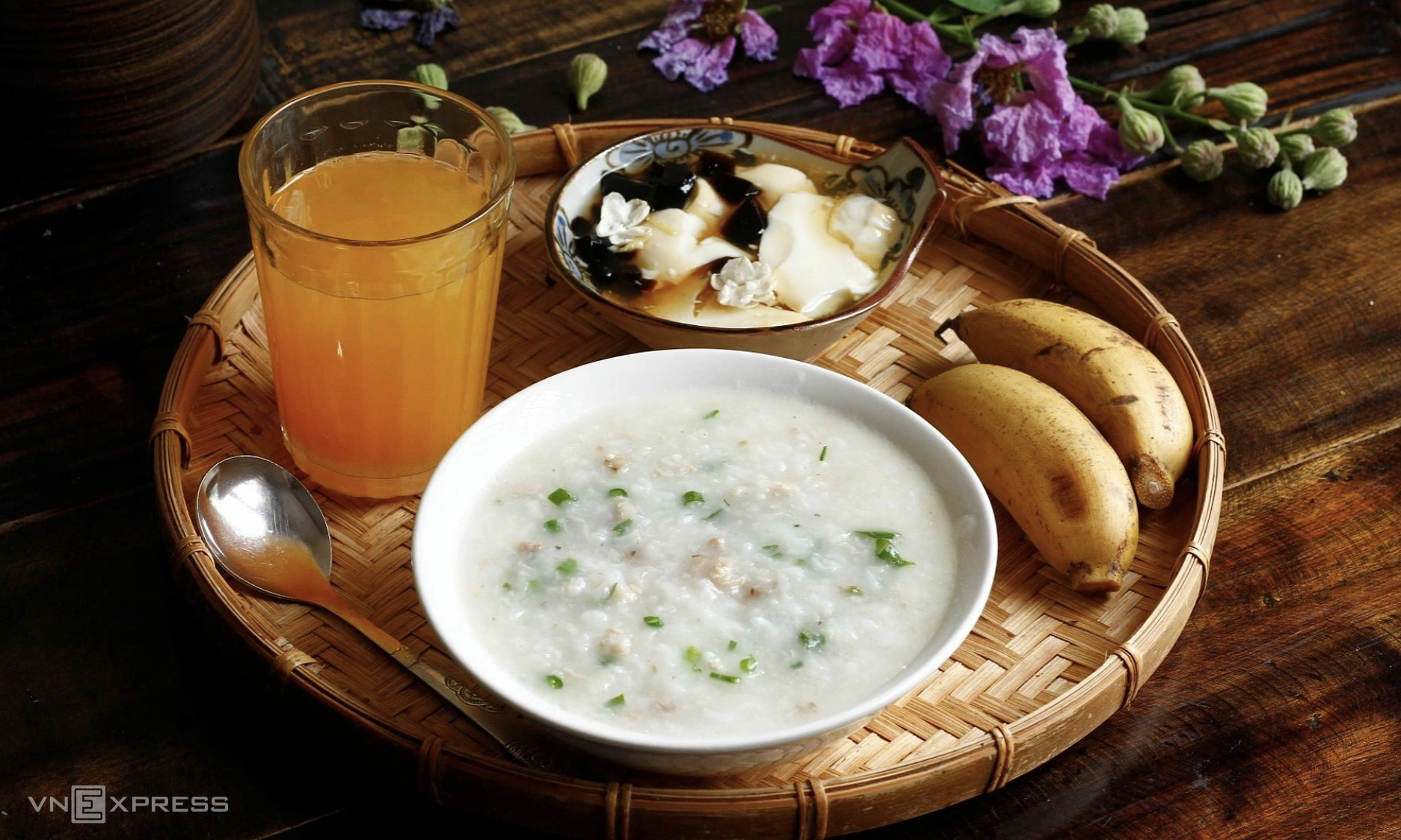
After drinking, you can consume a few slices of bread, some crackers, porridge, or electrolyte drinks to alleviate discomfort and hangover symptoms. Drinking a warm cup of ginger tea or blending ginger into a smoothie can also help reduce stomach irritation.
If you experience symptoms such as headache, abdominal pain, dizziness, lowered body temperature, low blood pressure, or blurred vision after drinking alcohol, it is important to visit the nearest medical facility for timely examination and treatment.
Associate Professor, Doctor Nguyen Quang Dung
Deputy Head of the Department of Nutrition and Food Safety, Hanoi Medical University