Bladder prolapse is a condition where the supporting tissues between the bladder and the anterior vaginal wall weaken, causing the bladder to drop.
Master, Doctor Vu Xuan Manh, from the Department of Urology - Andrology at Tam Anh General Hospital Hanoi, states that bladder prolapse can occur at many ages, but the risk increases after menopause. During this stage, estrogen levels decrease, and connective tissues and pelvic floor muscles become less elastic. The pelvic support system can weaken easily if a woman has had multiple vaginal births, delivered large babies, is overweight, suffers from chronic constipation, has a prolonged cough, or frequently lifts heavy objects.
To prevent this condition, women should focus on reducing pressure on the pelvic floor and maintaining the strength of the muscle groups that support the bladder, uterus, and rectum.
 |
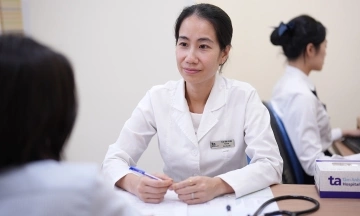
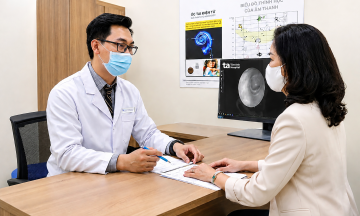
Doctor Manh consults a menopausal woman. *Photo: Tam Anh General Hospital* |
Correct pelvic floor exercises
Pelvic floor exercises enhance the support for the bladder and urethra, reducing the risk of urinary incontinence and the progression of pelvic organ prolapse. To perform these exercises, women should contract the muscle group as if trying to stop urination, hold for a few seconds, then relax. It is important to relax completely between contractions and avoid tensing the abdomen, buttocks, or thighs.
Menopausal women should perform these exercises daily, starting with a manageable intensity and gradually increasing the number of contractions and holding time. If a woman cannot identify the correct muscle group, experiences no improvement in urinary incontinence despite prolonged exercise, or feels a heavy sensation in the vaginal area, she should seek guidance from a doctor or a pelvic floor physical therapist. Incorrect exercise can lead to fatigue and pelvic pain without achieving the desired effectiveness.
Weight management
Being overweight or obese consistently increases pressure on the abdomen and pelvic floor, pushing down on the bladder, vagina, and rectum. This causes supporting tissues to weaken over time. In menopausal women, decreased muscle mass and increased abdominal fat can lead to a higher risk of bladder prolapse and urinary incontinence.
Women should maintain a healthy weight through meals rich in protein, increased green vegetables, low-sugar fruits, and whole grains. They should limit fried foods, sugary drinks, and alcohol. Regular physical activity such as walking, slow cycling, swimming, and gentle yoga helps manage weight and improve overall body endurance.
Preventing constipation
Chronic constipation causes repeated increases in abdominal pressure during bowel movements. This factor can further weaken the pelvic floor, especially in older adults, those with low physical activity, insufficient water intake, or a lack of fiber in their diet.
Women should consume adequate vegetables, fruits, beans, and whole grains; drink water appropriate for their heart and kidney condition; exercise regularly; and establish a routine for bowel movements. It is important to avoid holding bowel movements or overusing laxatives. If constipation is prolonged, or accompanied by bloody stools, weight loss, abdominal pain, or changes in bowel habits, a specialist should be consulted.
Treating prolonged cough
Chronic cough resulting from bronchitis, asthma, chronic obstructive pulmonary disease, gastroesophageal reflux, or smoking increases pressure on the pelvic floor with each cough. If this condition persists, it can worsen bladder prolapse, leading to urinary incontinence when coughing, sneezing, or laughing loudly.
Patients should seek medical examination to identify the cause of their cough and receive appropriate treatment, rather than self-medicating for a prolonged cough. Quitting smoking, avoiding dust and smoke, controlling reflux, and treating chronic respiratory diseases help reduce repeated pressure on the pelvic region.
Avoiding incorrect heavy lifting
Carrying heavy objects, lifting basins of water, or pushing and pulling heavy items can cause sudden increases in abdominal pressure. Menopausal women should limit heavy lifting. When lifting objects, they should squat down, bend their knees, keep their back straight, and use leg strength instead of bending their back and straining.
According to Doctor Manh, mild bladder prolapse may not present with obvious symptoms. Women who have had vaginal births are susceptible to pelvic organ prolapse, but many experience no symptoms or do not seek examination, leading to missed diagnoses. As the condition progresses, patients may experience vaginal heaviness, a sensation of a bulging mass, difficulty urinating, incomplete bladder emptying, frequent urination, urinary incontinence when coughing or laughing, or recurrent urinary tract infections. Some symptoms worsen with prolonged standing, heavy lifting, or straining during bowel movements, and improve with rest.
Doctor Manh recommends that women seek early examination if they notice any of these signs. Early treatment helps control symptoms and limits disease progression. Depending on the case, a doctor may recommend pelvic floor exercises, a vaginal pessary, local hormonal therapy if suitable, or surgery for severe prolapse that affects quality of life.
Van Anh