


For individuals with large gallstones, like Xuan Hong, coffee consumption requires careful consideration due to potential risks. While moderate coffee intake may reduce gallstone formation risk in some, caffeine can intensify gallbladder contractions and increase bile duct pressure in those with existing stones, potentially triggering pain or complications.
Gallstones, a common condition, form when bile components, mainly cholesterol or pigments, crystallize into stones within the gallbladder or bile ducts. Large, untreated stones can lead to dangerous complications. Factors contributing to their formation include high-fat diets, metabolic disorders, and a sedentary lifestyle.
Some research indicates that moderate coffee consumption may help prevent gallstone formation. Coffee's caffeine stimulates gallbladder contractions, facilitating bile flow and preventing stagnation, which lowers stone formation risk. Coffee also contains antioxidants like chlorogenic acid, supporting fat metabolism and reducing bile cholesterol. Additionally, caffeine prompts the small intestine to release cholecystokinin (CCK), aiding gallbladder and pancreatic contractions, which facilitates bile secretion and fat digestion. This makes moderate coffee a potential preventative aid, especially for overweight, sedentary, or high-fat diet individuals, but it is not a substitute for medical treatment.
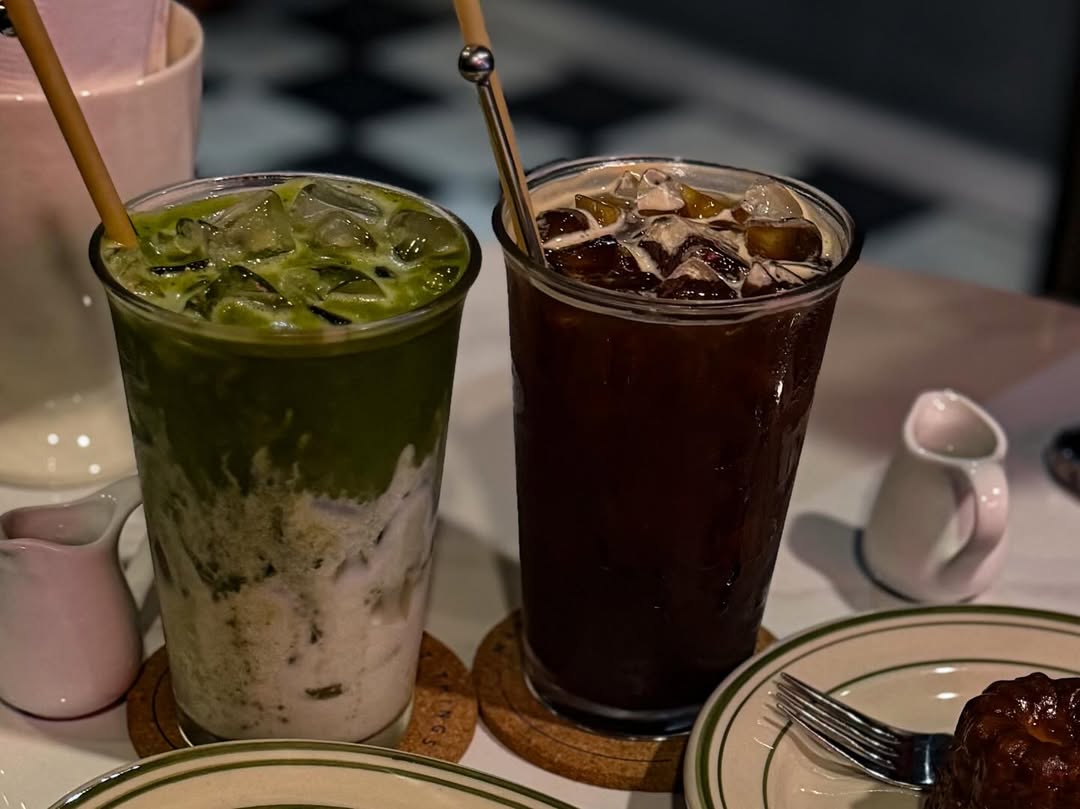 |
Drinking coffee may reduce the risk of gallstone formation, but a doctor should advise on appropriate dosage and usage based on individual health. *Photo: Quoc An* |
However, for patients already diagnosed with gallstones, particularly large ones that pose a risk of bile duct obstruction, caffeine's stimulatory effects can be detrimental. Increased gallbladder contractions and bile duct pressure can trigger or worsen pain and negatively impact the digestive system.
If the condition is stable, patients might consume one or two small cups of coffee daily (about 200-300 mg of caffeine), preferably pure, filtered black coffee. It is important to avoid coffees with high sugar, fatty milk, or additives, as these can increase bile cholesterol.
Coffee should be consumed 30-60 minutes after meals, never on an empty stomach. Caffeine on an empty stomach can stimulate acid secretion, leading to discomfort, nausea, and gastrointestinal issues. Alongside this, a balanced diet rich in green vegetables, fruits, and fiber is essential to support bile flow and reduce cholesterol accumulation.
Patients experiencing abdominal pain, bloating, nausea, or discomfort after drinking coffee must stop consumption and seek medical evaluation at a hospital for proper assessment and management.
Given your description of large gallstones, Xuan Hong, you should consult a specialized hepatobiliary medical facility for a comprehensive assessment and tailored dietary advice. Any adjustment to coffee habits must be individualized based on your disease's severity to ensure safety and minimize complication risks.
Master of Science, Doctor Nguyen Anh Duy Tung
Department of Nutrition - Dietetics
Tam Anh General Clinic, District 7
| Readers can submit their nutrition questions here for a doctor's answer |


