Post-partum herbal steaming, a practice common among many women in Vietnam, is often believed to aid in wound healing, cleanse lochia, and tighten the vagina. However, medical experts caution against this method, highlighting potential risks and a lack of scientific evidence for some of its purported benefits.
According to Doctor Dong Thu Trang from Hanoi Obstetrics and Gynecology Hospital, self-administering herbal steaming or using unverified medicinal ingredients can be unsafe for new mothers whose bodies have not fully recovered. The belief that steaming can tighten the vagina or completely eliminate lochia lacks scientific basis. While steaming may offer relaxation and reduce stress, it must be performed correctly and at the appropriate time.
Hospitals frequently admit cases of post-partum complications arising from self-steaming the genital area at home, including thermal burns and infections. Directly soaking or douching with herbal water can inadvertently introduce bacteria from outside, or from unwashed leaves, into the vagina and uterus, potentially leading to sepsis or necrosis of surgical stitches.
For safety, post-partum mothers should avoid self-steaming at home, especially if perineal stitches are swollen, discharging fluid, showing signs of infection, or remain open. Steaming is also contraindicated for individuals with high fever, weakened immune systems, or a history of hypertension.
If a mother chooses to steam, it should only be done once her body has stabilized, lochia has significantly decreased (typically 7-10 days after a normal delivery), and perineal stitches have healed. It is crucial to control the temperature, avoiding steaming with freshly boiled water. Sessions should last only 10-15 minutes, after the steam has subsided, and not exceed two times per week. After steaming, gently pat the area dry with a clean cotton towel; do not use the steaming water for soaking or douching.
The safest approach to hygiene involves cleaning with warm water or a mild feminine wash after each bowel movement or urination. Pat the area dry with a clean towel and change sanitary pads every 3-4 hours.
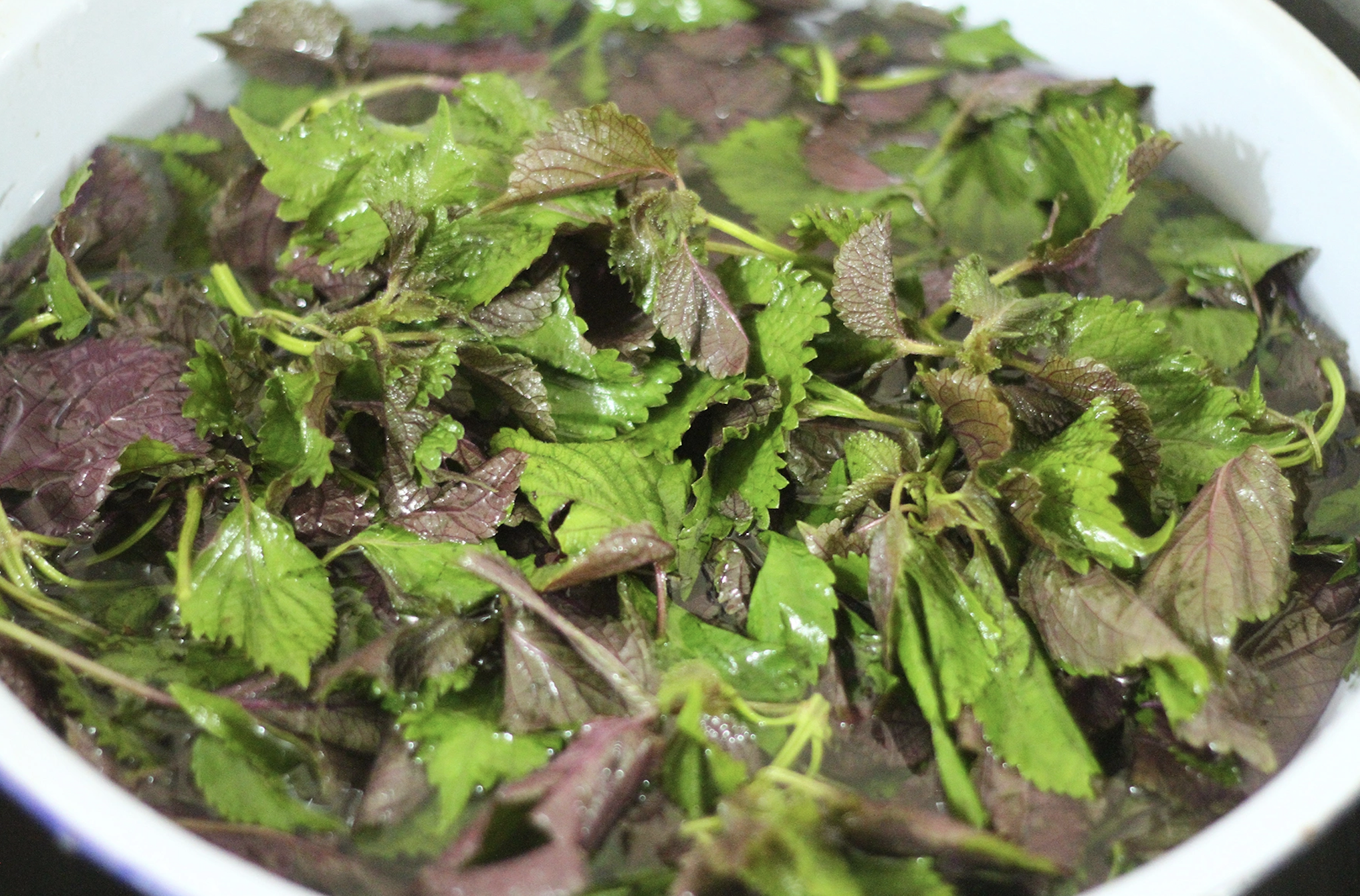 |
Illustrative photo: Bui Thuy |
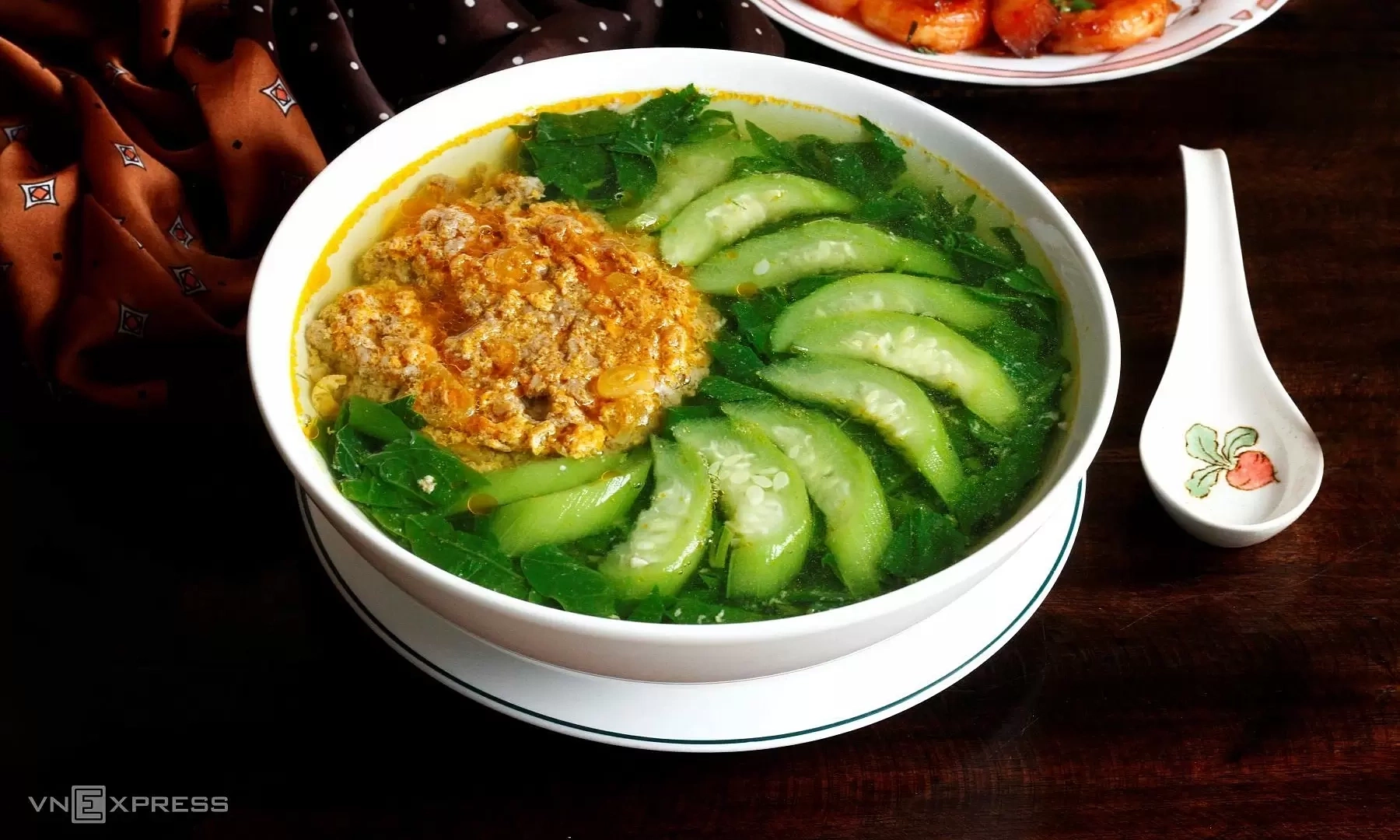
Beyond hygiene, comprehensive post-partum recovery requires proper nutrition and hydration. Mothers should consume a balanced diet, including all four food groups: carbohydrates, protein, fats, vitamins, and minerals. Daily fluid intake should be 1,5-2 liters. Increase consumption of foods rich in calcium, protein, vitamins, and trace elements such as iron, zinc, and copper. Incorporating fiber and probiotics from yogurt can support good digestion, alleviate intestinal strain, and prevent constipation.
All food consumed must be safe, thoroughly cooked, and hygienic. Avoid raw foods to prevent food poisoning or digestive issues. Limit products containing stimulants such as coffee, alcohol, energy drinks, and soft drinks. Foods high in sugar, oil, and spices like chili and pepper should also be avoided, as they can cause bloating and abdominal discomfort.
For complete physical recovery, it is advisable to refrain from sexual intercourse for approximately six weeks after a C-section.
Doctor Dong Thu Trang
Hanoi Obstetrics and Gynecology Hospital