


The new combined vaccine, named MMRV, will be administered to children at 12 or 18 months of age, with each child receiving two doses. Children under six years old can receive catch-up doses if needed, according to the National Health Service (NHS).
This program is expected to reduce the number of families affected by this infectious disease each year and decrease severe cases. It will also provide significant cost savings for families regarding vaccinations.
Professor Helen Bedford from University College London explained that the UK previously delayed chickenpox vaccinations for children due to concerns about a potential link to shingles. With the current shingles vaccination program for older adults and insights gained from other countries, the decision to introduce the chickenpox vaccine is now based on scientific evidence.
The Joint Committee on Vaccination and Immunisation (JCVI) in the UK recommended replacing the existing MMR (measles, mumps, rubella) vaccine with MMRV. This change is projected to save the NHS approximately 15 million GBP (over 20 million USD) annually. Additionally, families are expected to save an extra 24 million GBP (around 32 million USD) due to fewer doctor visits and reduced loss of productivity.
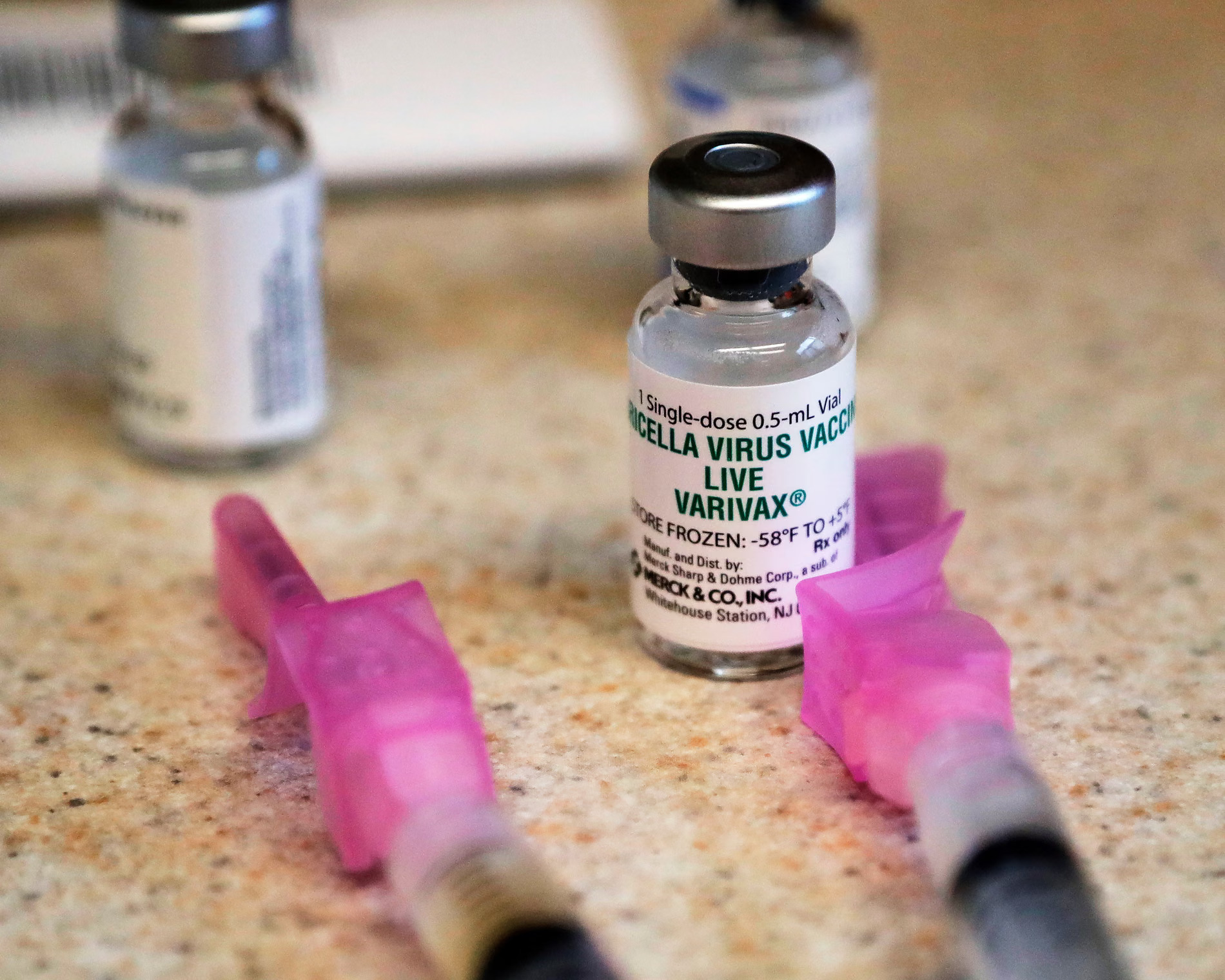 |
The MMRV vaccine has been free in the UK since January. Photo: AP |
Chickenpox is a common infectious disease among young children, characterized by an itchy rash, blisters, and scabs. The illness can be painful, spreading across the body from head to toe, often accompanied by fever and muscle aches, causing discomfort for several days.
Chickenpox spreads easily, with about 90% of children under 10 contracting the disease at some point. It can lead to serious complications, including hospitalization in some cases, and, more rarely, can be fatal.
Complications can include bacterial infections of the lesions, encephalitis, pneumonia, and even stroke. Infants, adults, and pregnant women are generally more susceptible to severe illness.
Van Ha (According to BBC, Guardians)


