Answer:
Fetal infection screening refers to a series of blood tests performed during pregnancy to detect agents that can transmit from mother to fetus via the placenta. These agents include viruses, bacteria, and parasites, which can cause birth defects, miscarriage, or long-term health issues for the child.
Defects caused by infections differ from those due to chromosomal abnormalities. The fetus's gene set initially remains normal, but infectious agents directly attack the organ formation process, causing damage during development.
This group of tests is often abbreviated as TORCH, which stands for Toxoplasma (a parasite transmitted through undercooked meat and cat feces), Rubella (German measles virus), Cytomegalovirus (CMV – a leading cause of congenital deafness), Herpes simplex virus (HSV), and other agents like syphilis, chickenpox, hepatitis B, and HIV.
 |
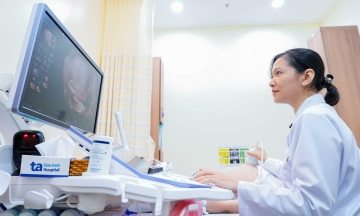
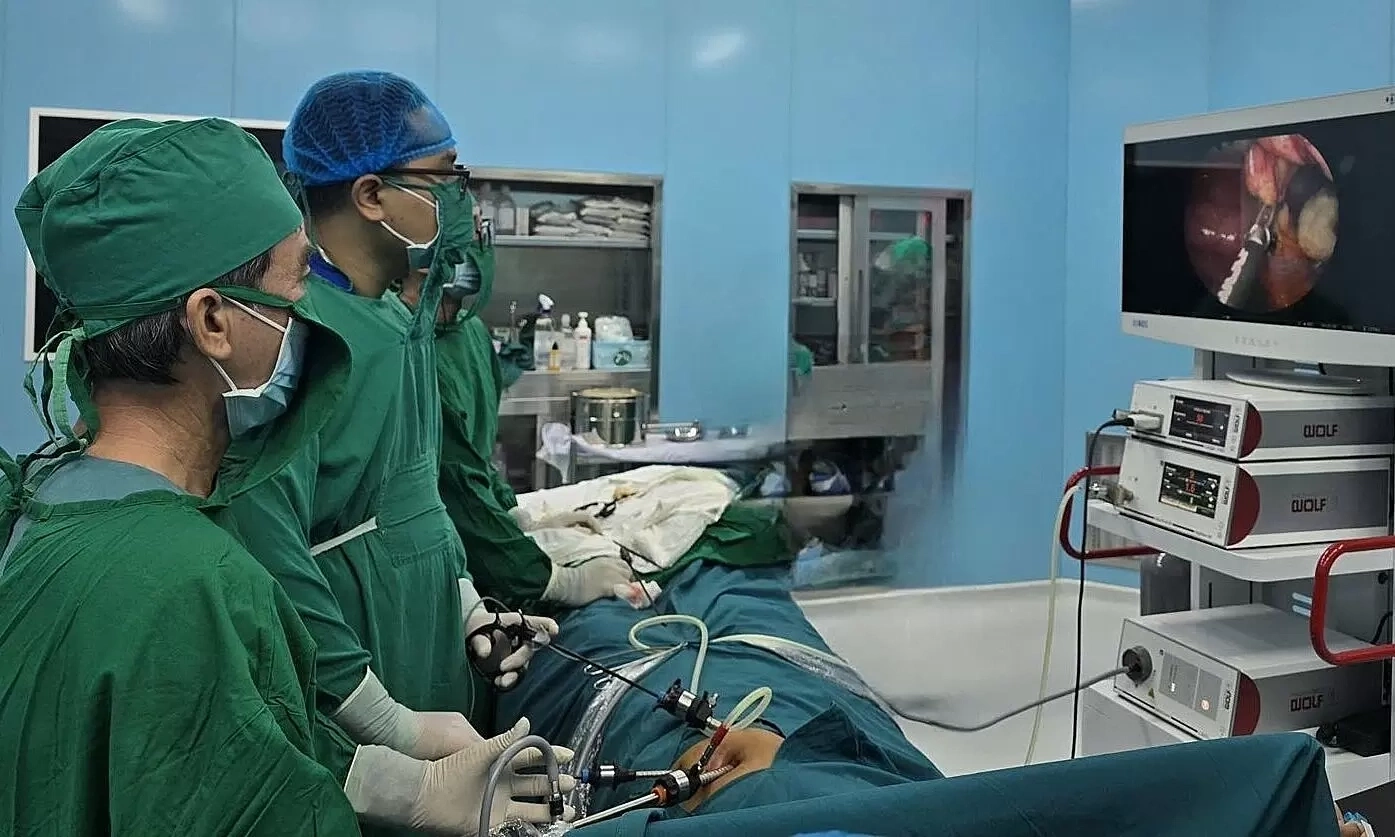
Doctor Tu advises a pregnant woman on necessary screenings during pregnancy. Illustration: Benh vien Da khoa Tam Anh
The highest risk of transmission occurs when the mother experiences a primary infection during pregnancy, especially in the first three months when fetal organs are forming. In some cases, mothers may show no clear symptoms, yet the fetus is severely affected. This often leads many expectant mothers to neglect screening. Most TORCH infections progress silently, without causing fever, rash, or any noticeable signs for the mother. Therefore, relying on subjective feelings to decide whether to get tested is not safe.
Many pregnant women confuse fetal infection screening with NIPT or Double Test because these tests are also ordered early in pregnancy. However, NIPT and Double Test aim to screen for genetic conditions.
Specifically, the Double Test is performed between 11 and 13 weeks and 6 days, combined with nuchal translucency ultrasound. This test measures two biochemical markers in the mother's blood to estimate the risk of the fetus having Down, Edwards, or Patau syndromes – which are chromosomal number abnormalities. NIPT analyzes cell-free fetal DNA in the mother's blood, performed from week 10 onwards, with over 99% accuracy for Down syndrome. These two tests are unrelated to infections.
In contrast, TORCH screening focuses on detecting infections.
These two groups of tests complement each other and are not interchangeable for comprehensive pregnancy monitoring.
In principle, all pregnant women should receive counseling about TORCH screening and undergo it at least once during pregnancy, ideally at the first prenatal visit.
Certain pregnant women require earlier screening. Women who have not been vaccinated against Rubella or are unsure of their vaccination history face a significantly higher risk. Individuals frequently exposed to cats, consuming undercooked meat, or living in livestock environments should be tested for Toxoplasma parasites. Pregnant women experiencing unexplained fever, rash, or swollen lymph nodes during pregnancy also need immediate testing.
Cases with a history of recurrent miscarriage, stillbirth, or giving birth to children with unexplained congenital defects require thorough screening. The same applies to pregnant women with abnormal ultrasound results, such as fluid in the fetal brain, brain calcification, or restricted fetal growth. Women with weakened immune systems or those whose partners have sexually transmitted infections are also prioritized for screening.
Doctor, Level one specialist Le Van Tu
Obstetrics and Gynecology Unit
Phong kham Da khoa Tam Anh Cau Giay
| Readers can submit questions about pregnancy and childbirth here for a doctor's answer |