Dr. Ma Thanh Phong, head of the respiratory unit, general internal medicine department at Tam Anh General Hospital, Ho Chi Minh City, stated that fluctuations in temperature and humidity can weaken the respiratory system's natural defense mechanisms, creating conditions for viruses and bacteria to cause illness.
Elderly individuals face the highest risk of developing bronchitis during erratic weather. The aging process weakens the immune system, and the respiratory lining loses its ability to clear dust and microorganisms. Consequently, a common respiratory viral infection can progress to bronchitis, or even pneumonia, without timely treatment and monitoring.
Young children are also susceptible due to their immature immune systems and smaller airways. When the weather changes, children are prone to respiratory viruses like respiratory syncytial virus (RSV), influenza, or rhinovirus. Initially, the illness may present as a common cold but quickly spreads to the bronchial tubes, causing frequent coughing, wheezing, and increased phlegm production.
Smokers or those regularly exposed to secondhand smoke also face a high risk. Smoke damages the cilia lining the respiratory tract, reducing its ability to clear dust and pathogens. Each time the weather changes, the already damaged mucous membrane becomes inflamed, leading to persistent coughing, phlegm production, or recurrent bouts of bronchitis.
 |
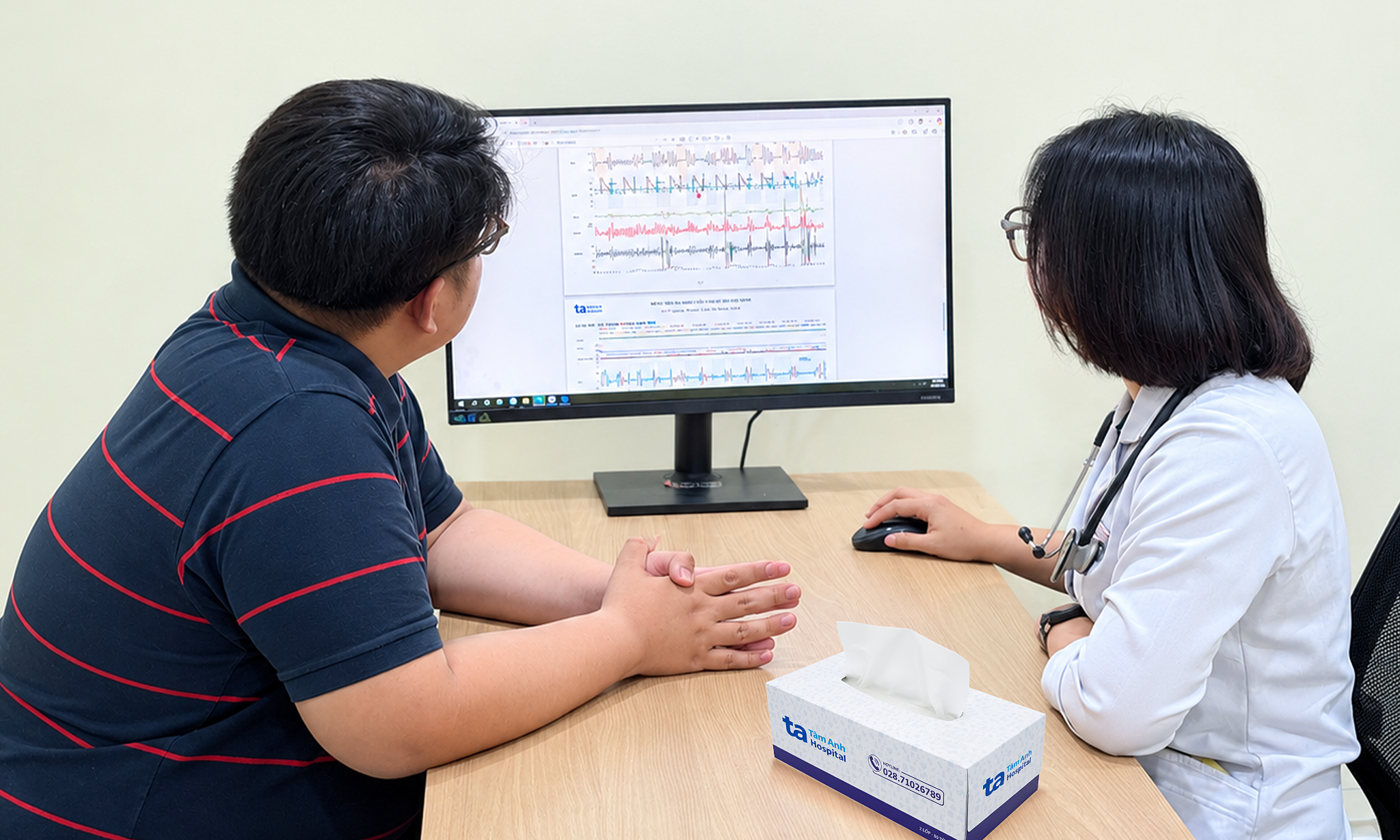
Dr. Phong advises a patient on respiratory protection during a health check-up. Photo: Tam Anh General Hospital |
Individuals with chronic respiratory conditions like asthma or chronic obstructive pulmonary disease (COPD) also need to be cautious. Erratic weather increases the risk of bronchitis and can trigger acute exacerbations of their underlying conditions, worsening shortness of breath, wheezing, and respiratory function.
Those with other underlying conditions such as diabetes, cardiovascular disease, chronic kidney disease, those undergoing cancer treatment, or using immunosuppressants also have a high susceptibility to respiratory infections.
People working outdoors or in environments with significant dust, smoke, or chemicals are prone to bronchial lining irritation and face an increased risk of illness.
Bronchitis typically begins with symptoms such as coughing, sore throat, and fatigue, followed by phlegm production, chest tightness, or wheezing. Most cases are caused by viruses and can improve with proper care. However, if a patient experiences a prolonged high fever, shortness of breath, coughing up blood, or if symptoms do not improve after 5-7 days, medical attention is necessary to rule out more severe conditions such as pneumonia or acute exacerbations of chronic diseases like COPD, asthma, or bronchiectasis.
To prevent illness during weather changes, Dr. Phong recommends: keeping the body warm when necessary, avoiding sudden temperature changes between indoor and outdoor environments, wearing masks when going out or when air quality is poor, drinking enough water, and maintaining a balanced diet. Individuals with chronic respiratory conditions should adhere to their treatment plans, not discontinue medication without consultation, and get influenza and pneumococcal vaccines as advised by their doctor.
Nhat Thanh
| Readers can submit questions about respiratory illnesses here for doctors to answer. |