Answer:
Hip osteoarthritis occurs when the joint cartilage wears down due to various factors, causing persistent pain and significantly affecting daily life. This condition is common in older adults.
Not every patient with hip osteoarthritis requires surgery. For mild to moderate cases, pain relievers are the primary choice to manage pain, supporting physical therapy to improve blood circulation, enhance joint flexibility and muscle strength, and maintain mobility. However, medication offers only temporary relief; prolonged use can lead to side effects such as cushing's syndrome or stomach pain.
 |
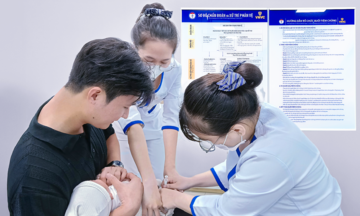
Doctor Thanh explains test results to a patient. Illustration: Tam Anh General Clinic District 7. |
Surgery is the final treatment option for hip osteoarthritis, indicated by doctors when conservative treatments fail and the condition significantly impacts daily life. Surgery involves removing the damaged hip joint and replacing it with an artificial one, thereby improving the patient's mobility.
Currently, hip replacement is a common surgery performed in many hospitals, utilizing modern techniques such as: ABMS, SuperPATH, anterior path, and direct anterior approach. These minimally invasive methods feature small incisions, minimal blood loss, and reduced damage to surrounding tendons, muscles, and soft tissues. Patients experience quick pain relief and can begin rehabilitation, walking one to two days after surgery. After full recovery, patients can resume nearly normal activities and engage in light sports.
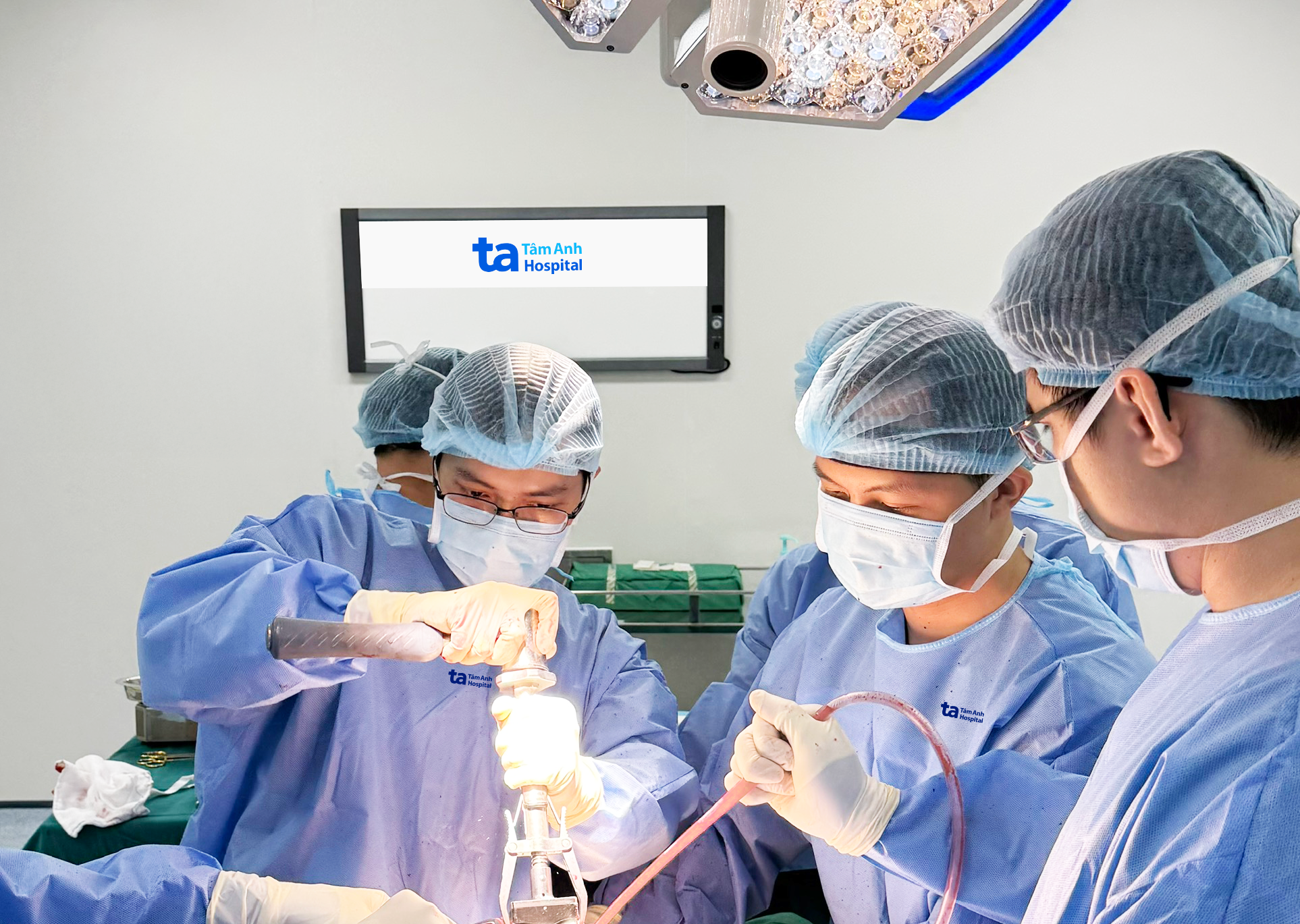 |
Doctor Thanh (left) replaces an artificial hip joint for a patient. Illustration: Tam Anh General Hospital. |
The hip joint is covered by multiple layers of muscle tissue and ligaments, making injuries difficult to detect and often mistaken for lower back or pelvic issues. This can complicate treatment and lead to complications like muscle and ligament atrophy, hip fractures, or disability. Your father should seek immediate medical attention if he notices unusual signs: groin pain that may radiate to the buttocks, thigh, or knee; increased pain with movement or prolonged standing; morning stiffness; or a creaking sound when moving the joint.
Your father should adopt a healthy lifestyle to slow cartilage wear and prevent osteoarthritis progression. Regular exercise at an appropriate intensity helps maintain joint mobility and flexibility, reducing the risk of cardiovascular complications or diabetes. Daily meals should include joint-friendly foods (fatty fish, green vegetables, nuts) and limit foods high in sugar or salt, as well as alcohol. These habits also help improve and maintain a healthy weight, thereby reducing pressure on the hip joint and slowing degeneration.
Master, Doctor, First Degree Specialist Le Nhat Thanh,
Trauma and Orthopedics Unit
Tam Anh General Clinic District 7
| Readers can submit questions about musculoskeletal diseases here for doctors to answer. |