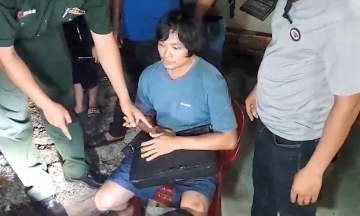
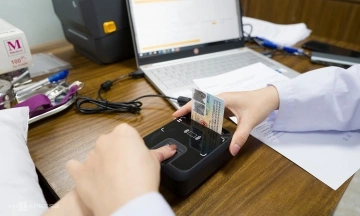
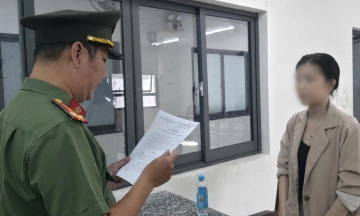
Decree 61/2026, effective from 1/4, replaces Decree 135/2021. It marks a step forward in applying digital technology to state management and sets stricter regulations for personal information security when citizens report violations.
The most significant aspect of Decree 61, directly impacting citizens, is the comprehensive digitalization of channels for receiving violation reports. While Decree 135 outlined traditional data submission methods like in-person at headquarters, email, or postal service, the new regulation adds many reporting channels.
Specifically, Article 16 of Decree 61 adds data submission via the national identification application (VNeID) and other mobile applications (such as iHanoi, VNeTraffic...).
 |
Citizens can report violations in many fields via VNeID. *Photo: Danh Lam* |
Integrating the violation reporting feature into VNeID not only makes it more convenient for citizens to exercise their oversight rights but also ensures the authenticity and reliability of the data.
Citizens can now submit images and videos of administrative violations directly from the scene with just a few taps on a smartphone.
Alongside encouraging citizens to provide data, the government also sets the highest requirements for protecting privacy and personal data.
Previously, Decree 135 strictly prohibited infringing upon freedom, honor, private life, and personal secrets. In Decree 61, this regulation is maintained, and the scope of protected data is expanded to include "family secrets."
Decree 61 also aligns with legal frameworks for personal data protection, ensuring absolute confidentiality for the reporter's name, address, and signature, a detail not covered by the old regulation.
Anonymous reports still considered
To encourage voluntary reporting while ensuring accuracy, Decree 61 retains detailed regulations on handling anonymous data. Specifically, Article 20 states that if submitted data lacks the sender's clear name and address but includes specific documents and evidence of a violation, and there is a basis for verification, the competent authority will still investigate and process it according to regulations.
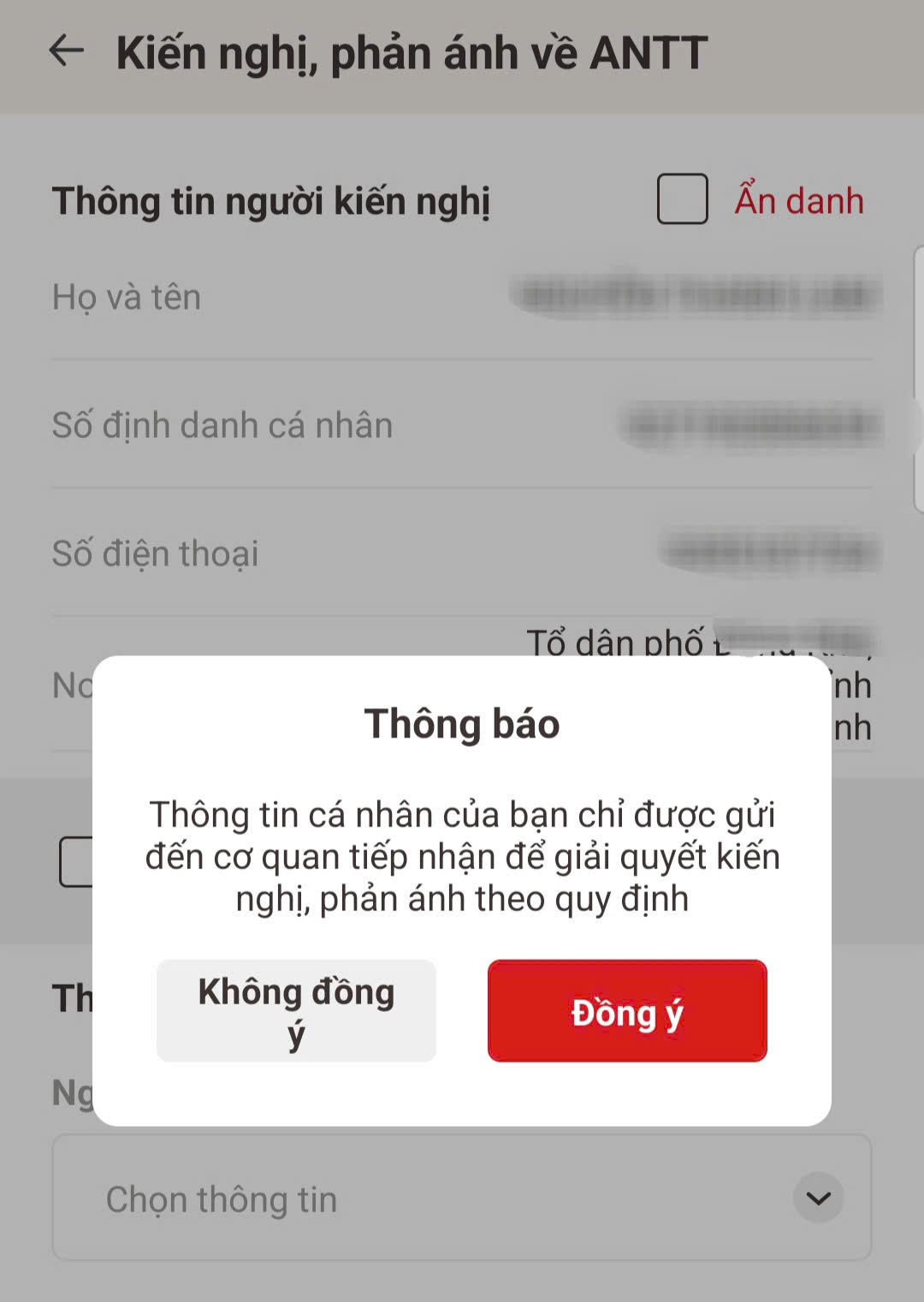 |
Citizens can report anonymously, and reports will still be accepted and resolved if there is sufficient authentic evidence. *Photo: Danh Lam* |
This regulation addresses citizens' hesitation to get involved. However, rights always come with responsibilities. Citizens providing data must be legally accountable for its authenticity and integrity. Acts of falsifying or distorting collected data will be handled severely, potentially leading to transfer of cases to criminal prosecution agencies if there are signs of a crime.
Specifically, according to Article 21 of Decree 61, if data provided by an individual or organization shows signs of falsification or distortion, the competent person must transfer the case file to the competent criminal prosecution agency.
Citizens' rights are also ensured through the right to request electronic notifications of processing results. This creates transparency: Citizens who provide data have the right to know the status of their submitted information without complex administrative procedures.
Conversely, authorities are also permitted to send violation notices to offenders electronically, provided technical infrastructure conditions are met, thereby expediting administrative processing.
Decree 61 also expands the scope and enhances oversight capabilities. Compared to Decree 135, which focused on traditional areas like traffic safety, environment, and fire prevention, Decree 61 has broadened its regulatory scope to urgent new fields such as exploiting and protecting aquatic resources and radio frequency.
According to the Ministry of Public Security, the old regulations did not include these areas, leading to a lack of legal basis for detecting and handling administrative violations in the mentioned fields, affecting the effectiveness of administrative management and enforcement. The new decree, when implemented, will address these shortcomings.
Expressing his view on VNeID being added as an administrative violation reporting channel, Nguyen Duc Tuan, from Tu Liem, Ha Noi, believes this enables citizens to exercise their oversight rights, especially in localities without applications like iHanoi, where VNeID serves as a useful alternative.
With the new regulation, Tuan feels citizens are more empowered, heard, and protected. "Because there is a regulation requiring authorities to report back the processing results to me, I feel my feedback is acknowledged and has real value," he said.
However, he believes much improvement is needed in terms of features to ensure the application operates stably and smoothly, preventing users from becoming "discouraged" after performing many steps, filling in information, only for the system to report an error at the end. Additionally, he suggests a clearer definition of what constitutes "family secrets," as no legal document currently defines it.
Hai Thu