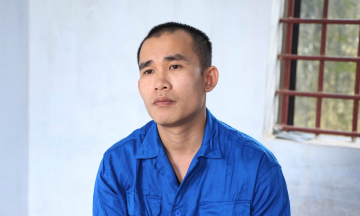
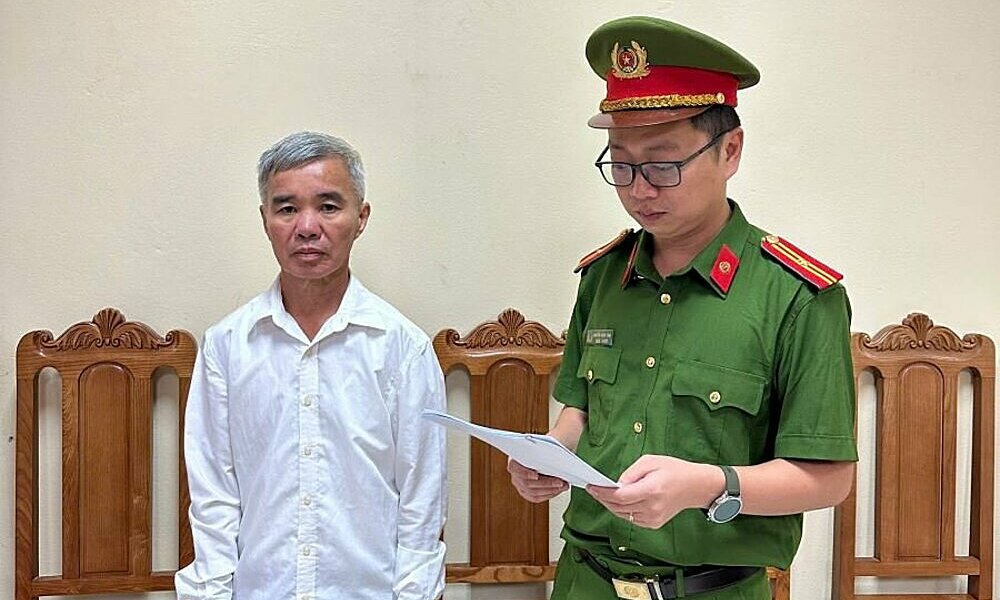
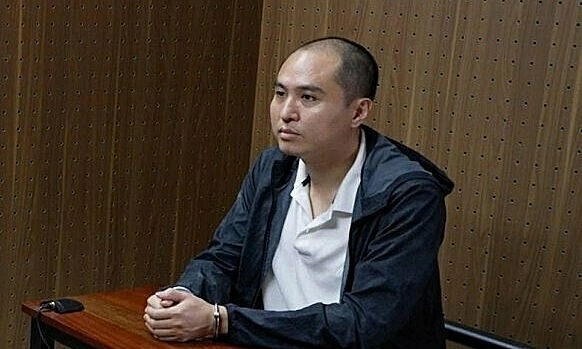
Former deputy minister of home affairs Nguyen Ba Hoan is facing a recommendation from the procuracy for 12-13 years in prison for bribery while serving at the ministry of labor, invalids and social affairs.
Defending Hoan, his lawyers agreed with the charge but argued the recommended sentence was severe.
Passive bribery
Lawyers cited that as deputy minister, their client managed a vast workload, responsible not only for the department of overseas labor management but also the department of meritorious persons, the overseas labor center, the information center; and supported the minister in social welfare, complaints, and denunciations.
Work pressure led to some errors in inspection and supervision processes that the defendant initially did not promptly recognize. When he realized them, Hoan made adjustments, but they were 'not resolute enough'.
According to lawyers, the case's developments indicate the defendant did not impose conditions, create difficulties, or harass businesses for personal gain. Instead, he carried out official duties and 'passively received bribes'. This occurred due to voluntary approaches from businesses. The defendant's actions were essentially 'just accepting money but consciously neglecting' the harassment by subordinates.
Hoan was not an 'all-powerful individual' regarding signing or not signing documents for businesses. According to procedure, submissions were sent to both the deputy minister and the minister, lawyers stated in their defense.
Hoan could only sign off after the minister had approved and agreed. Delays were not due to Hoan signing or not, but rather subordinates creating difficulties from the outset.
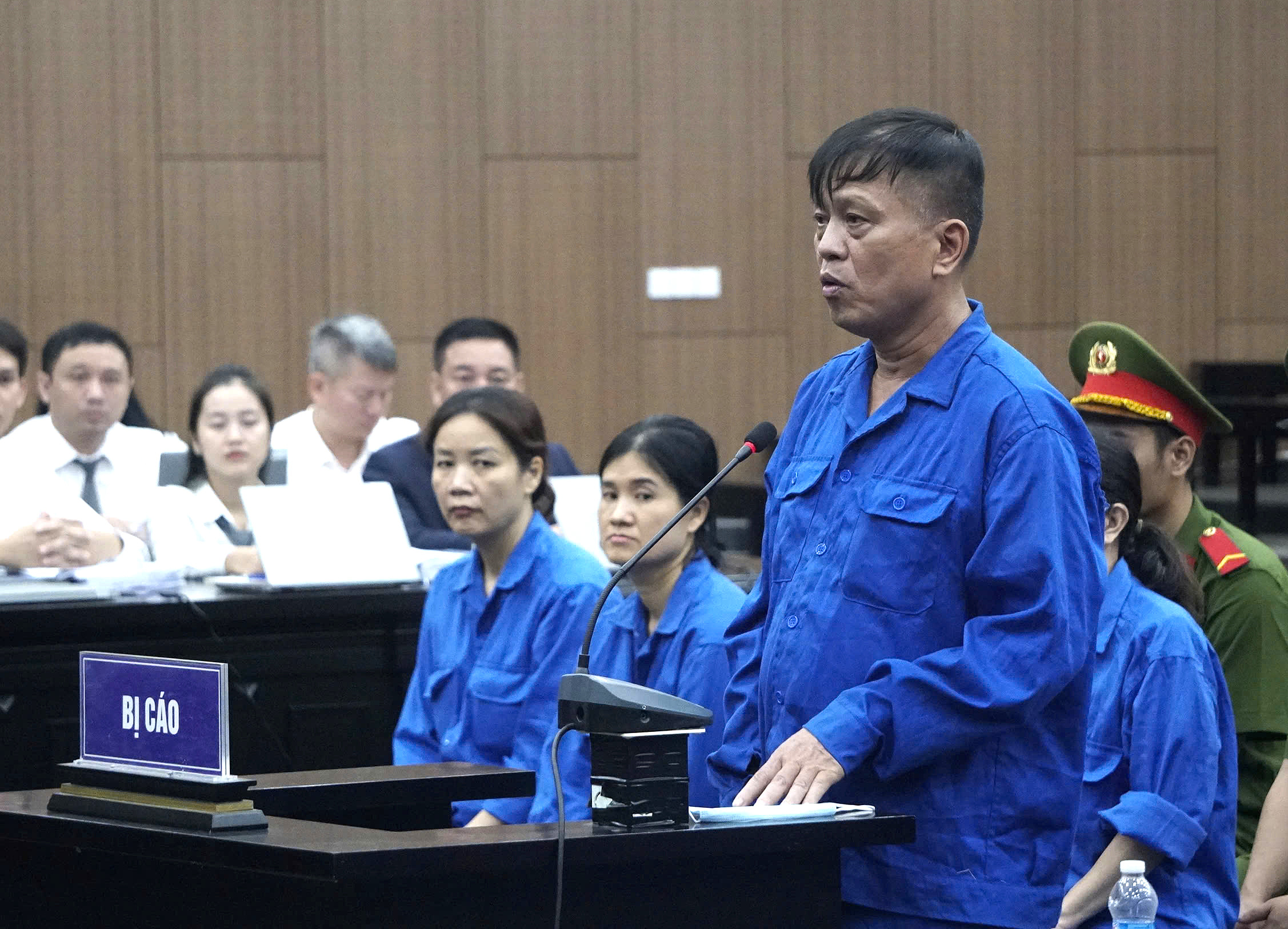 |
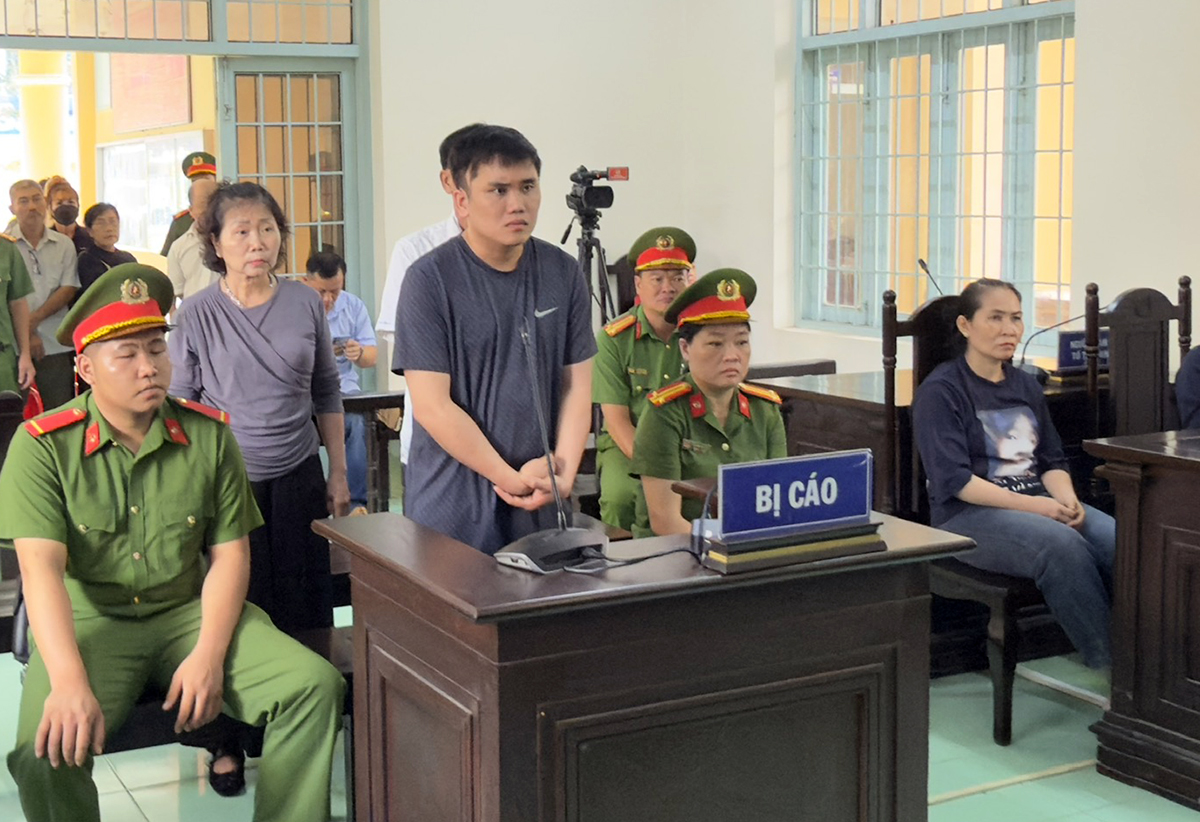
Former deputy minister Nguyen Ba Hoan in court. *Photo: Danh Lam* |
Bribery not for money
Regarding sub-licenses for E7 visas for workers going to South Korea, lawyers argued the nature of the issue was clarified through the testimonies of Hoan's subordinates. The process changed due to South Korea's specific requirements, which differed from other markets.
As the deputy minister in charge, Hoan only provided 'general directional guidance' to the department of overseas labor management when developing new procedures, given that existing legal documents did not fully cover market specifics.
Lawyers assessed that from a state management perspective, the new procedures brought positive efficiency and reduced risks for workers. However, from the businesses' perspective, 'it was indeed troublesome for them'. Yet, these difficulties were not intentionally created from the start to solicit bribes.
Lawyers argued their client did not commit the crime for money, but rather due to inadequacies and overlaps in legal regulations, which prevented Hoan from issuing specific directives. The group of defendants, Hoan's subordinates, had previously explained multiple times that these new regulations caused businesses to 'misunderstand' that officials were creating difficulties, leading them to offer money. Despite this, these officials still accepted the funds.
Mitigating circumstances for the former deputy minister were then listed by lawyers for nearly 5 minutes, including the achievements of his biological parents, in-laws, uncles, and dozens of commendation certificates received by Hoan.
The ministry of home affairs and 46 retired officials who worked with Hoan also submitted petitions for leniency.
Hoan briefly defended himself, stating he suffers from several serious illnesses and requested a lighter sentence.
The trial is ongoing.
Thanh Lam