Longyearbyen, situated on the Svalbard archipelago, was historically a coal mining hub. This region experiences an extreme climate, with temperatures consistently below 0 degrees Celsius throughout the year. Residents here are prohibited from dying or giving birth, a regulation rooted in natural conditions rather than spiritual beliefs.
The prohibition on burials originates from the phenomenon of permafrost. In the 1950s, researchers discovered that human remains could not decompose due to the extremely low temperatures. Bacteria and pathogens, some centuries old, remained preserved within these "ice mummies." Tuberculosis pathogens, for instance, were previously identified in old bodies in the area. Should the permafrost thaw, these dangerous pathogens could spread, posing a threat to the community. Consequently, the Norwegian government closed all town cemeteries starting in 1950.
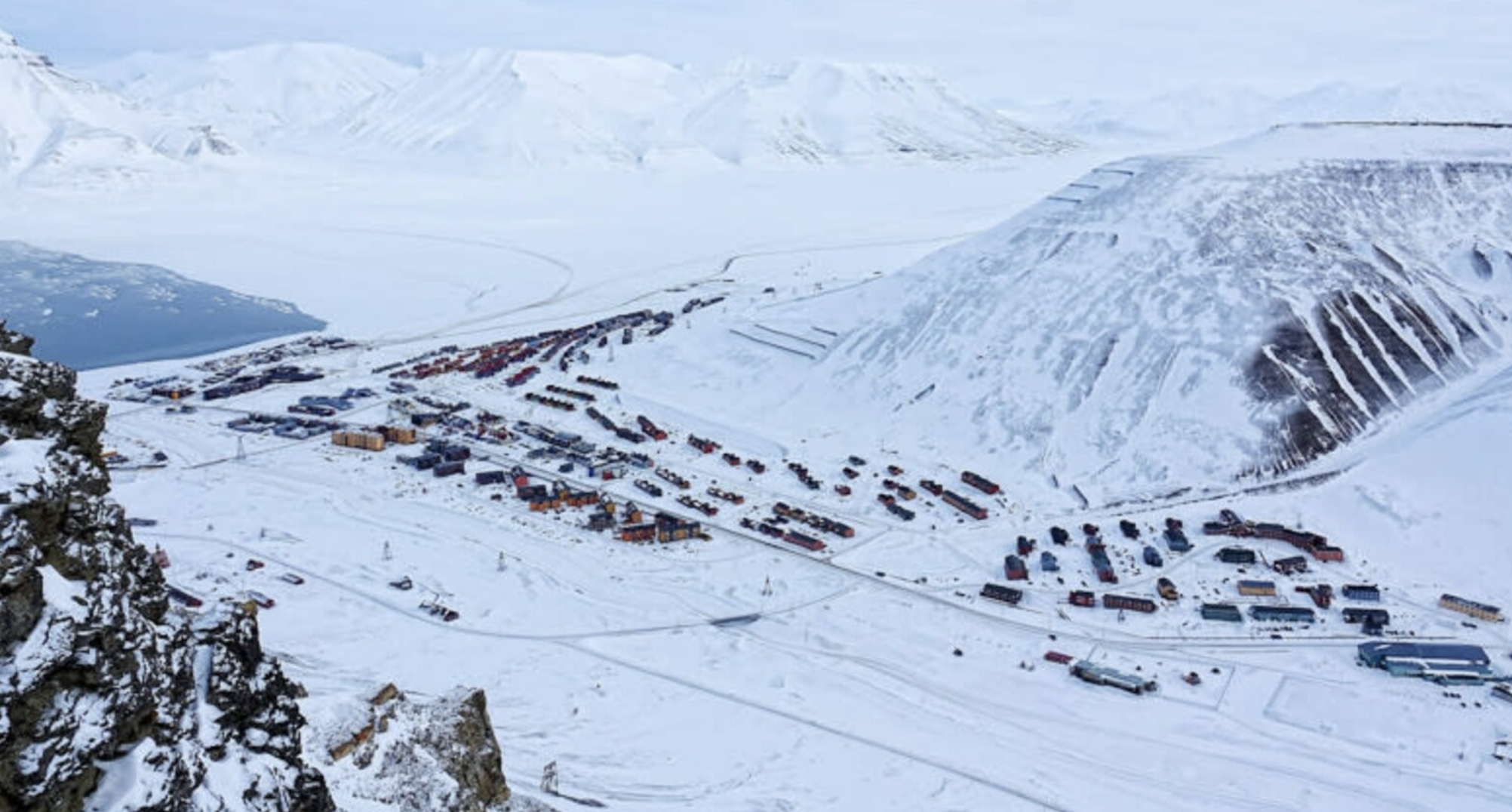 |
Longyearbyen, a town in Norway's Svalbard archipelago, is perpetually covered in snow and ice, with temperatures consistently below 0 degrees Celsius. *Photo: AOL*
While the law cannot prevent someone from dying, it strictly prohibits burials in Longyearbyen. Individuals who are terminally ill, critically unwell, or have passed away must be transported to the mainland for interment, where climatic conditions facilitate decomposition. Although cremation is an option for sudden deaths, relatives face a complex permit application process to bury the ashes.
Curiously, the town also "says no" to childbirth. Lacking specialized obstetric and gynecological facilities, pregnant women are required to leave the island and relocate to the mainland approximately one month before their due date, ensuring the safety of both mother and child.
To reside in Longyearbyen, newcomers must pass rigorous health examinations. The authorities do not permit individuals with serious medical conditions to settle, aiming to mitigate health risks in this remote region.
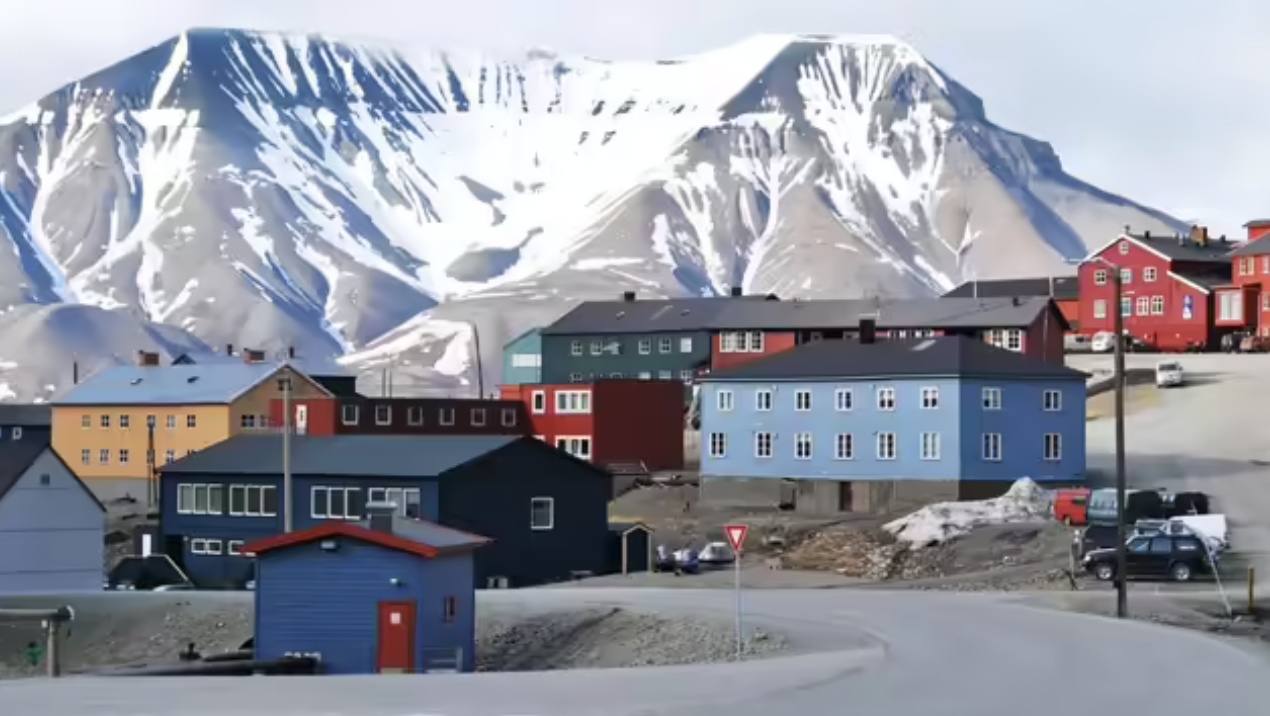 |
Situated approximately 1,000 km from the North Pole, with temperatures consistently below 0 degrees Celsius, authorities have "forbidden" burying the deceased or welcoming newborns. *Photo: Canva*
Despite a population of just over 2,400, Longyearbyen serves as a vital scientific research hub for climate change and polar ecosystems. This self-sufficient town boasts schools, a post office, and bars. Even with months of perpetual darkness in winter and continuous daylight in summer, residents successfully adjust their biological rhythms, adapting to life in one of the planet's most extreme environments.
By Minh Phuong (Based on reports from India Times, Businessday)