Modern drainage systems often use plastic pipes such as PVC, ABS, and PEX due to their low cost, light weight, and corrosion resistance. These materials are sensitive to high temperatures. PVC pipes can typically withstand up to 60°C, and ABS pipes up to 80°C. Boiling water, at 100°C, far exceeds these limits. While a single pour might not cause immediate damage, repeated exposure will cause boiling water to pool in the P-trap (the curved pipe section beneath the sink), softening the plastic. Over time, pipes can warp, deform, crack, or cause adhesive joints to fail, leading to leaks beneath kitchen cabinets. Even metal pipes can suffer damage to rubber gaskets or sealant at joints, resulting in leaks.
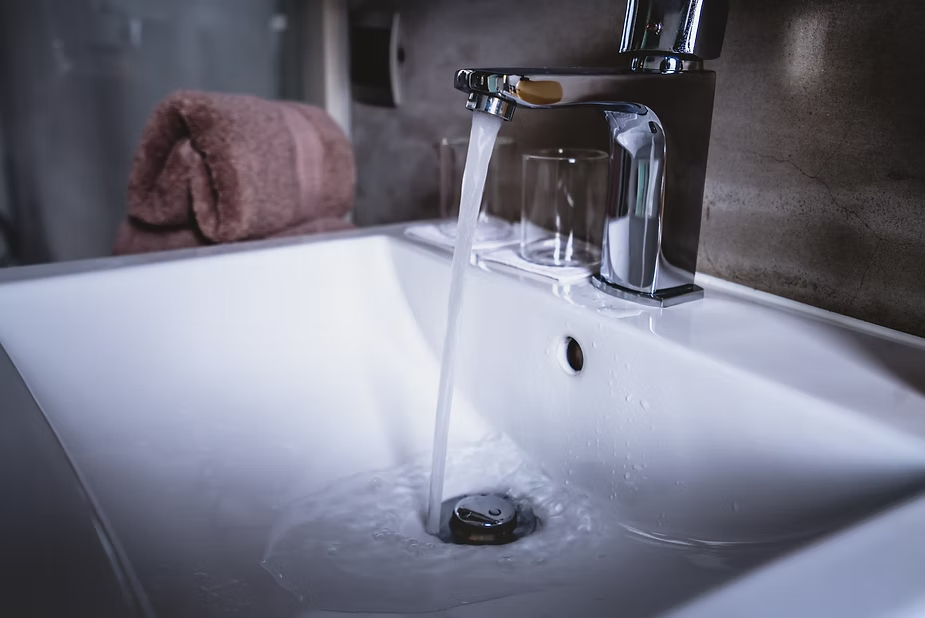 |
Pouring boiling water down the sink can worsen clogs and damage pipes. *Homeandgarden*
Many mistakenly believe boiling water completely washes away oil and grease. In reality, high temperatures only temporarily liquefy grease, pushing it deeper into the system. As this grease travels through colder pipes further down, it cools and re-solidifies, adhering firmly to pipe walls in deeper, harder-to-reach areas. Over time, this accumulated layer of grease thickens, restricting flow, causing localized clogs, and foul odors. Unclogging then becomes more complex and costly than addressing an initial blockage closer to the drain opening.
Beyond pipe damage, the sink itself is at risk. Some ceramic or porcelain sinks can crack immediately due to thermal shock from sudden contact with boiling water. Additionally, pouring boiling water into a narrow drain can cause hot water to splash back or steam to rise forcefully, posing a burn risk to anyone nearby.
To address clogs without damaging plumbing, prioritize mechanical and mild chemical methods:
- Hot tap water: Instead of boiling water, use hot water from the tap at 50-65°C. This temperature is sufficient to soften grime and is safe for PVC pipes. During winter, washing dishes with hot water helps keep drains clear.
- Mechanical methods: For clogs, use a plunger or a drain snake to push or pull debris out. These methods are effective and safe.
- Safe cleaners: Utilize a mixture of baking soda and vinegar, or enzyme-based products designed to break down organic matter without corroding pipes.
Ultimately, prevention remains the best approach. Avoid pouring excess oil and grease down drains, always use drain strainers, and regularly flush with hot (not boiling) water to wash away residue.
Bao Nhien (According to Homesandgarden)