


Raw chicken can harbor microorganisms like Salmonella or Campylobacter, common culprits behind food poisoning. Washing it under running water is ineffective at removing bacteria from its surface. Instead, the splashing water can spread these bacteria to surrounding areas like the sink, countertops, utensils, or other food items.
Food safety studies indicate that bacteria from raw meat can splash several tens of centimeters in tiny water droplets. This means that attempting to "clean" the chicken can inadvertently become a source of bacterial spread throughout the kitchen, particularly if fresh vegetables or cooked food are nearby.
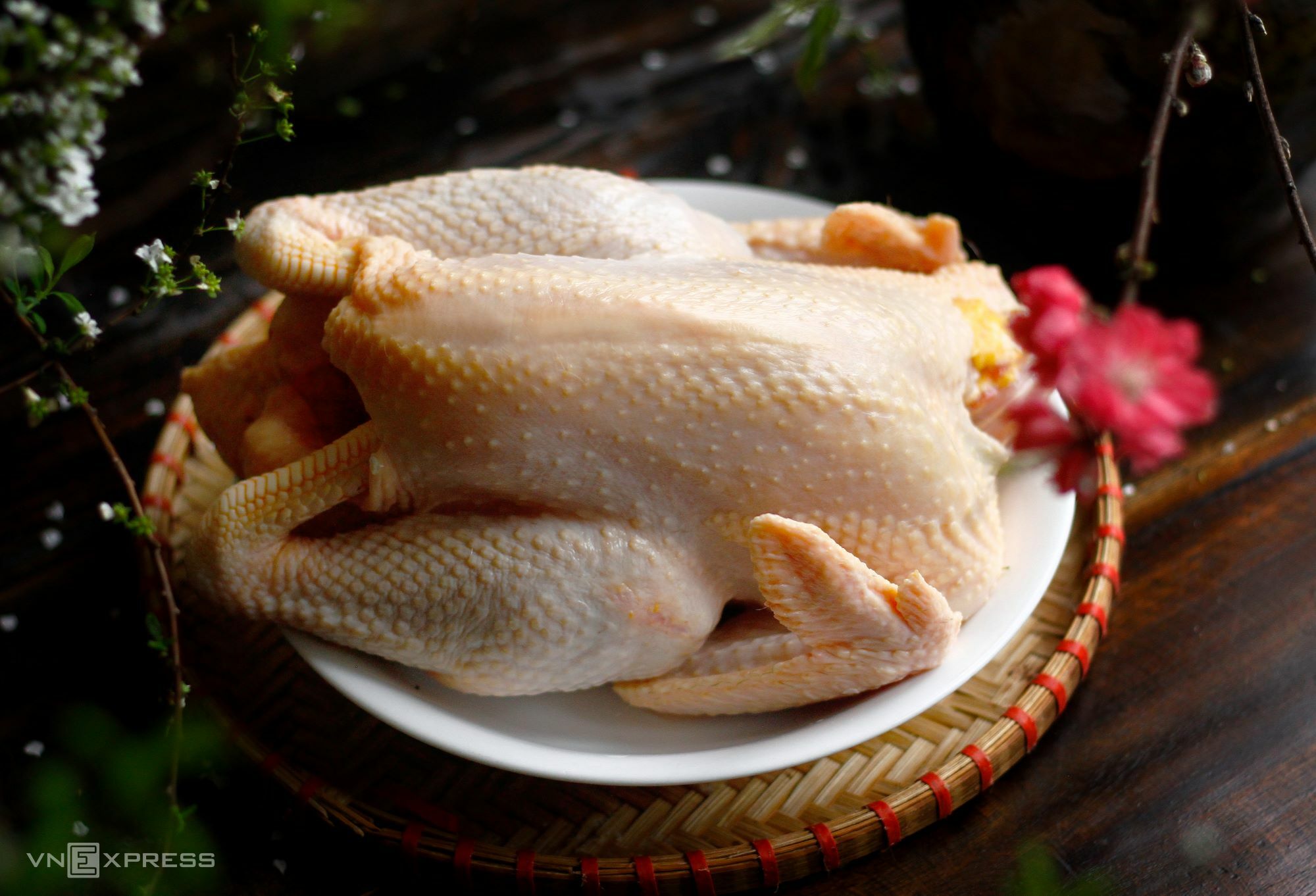 |
Chicken purchased from supermarkets only needs to be patted dry before cooking. *Illustration: Bui Thuy*
Cooking Temperature: The Deciding Factor
No matter how strong the water stream, it cannot wash away bacteria firmly attached to the meat's protein membranes. Most microorganisms are only destroyed when cooked to a sufficiently high temperature, typically 70°C or above.
Therefore, the most crucial step for ensuring safety is not washing raw meat, but cooking it thoroughly. When chicken is cooked at the correct temperature, the bacteria's protein structures are broken down, making them incapable of causing harm.
Proper Chicken Handling
Traditionally, Vietnamese people focus on removing the gamey or feathery odors from poultry by rubbing it with salt, ginger, or rice wine. If you wish to continue this practice, or if you purchase a whole chicken that still contains dirt, remember this principle: do not rinse it under running water.
Instead, prepare a small basin of water, gently place the chicken in, and rub it with salt and ginger at a low level to prevent splashing. After washing, remove the chicken to a colander to drain, and immediately clean your sink and hands thoroughly with antibacterial soap.
Safe Handling Rules for Raw Chicken
For pre-processed, standard chicken purchased in trays from supermarkets, apply the following rules:
Pat dry: Open the packaging and use kitchen paper towels to thoroughly pat dry all surfaces of the chicken pieces. This removes excess moisture, ensuring the chicken is dry, which helps it brown evenly when fried or stir-fried and prevents oil from splattering.
Isolate: Always use separate cutting boards and knives for raw meat, cooked food, and fresh produce.
Sanitize: Wash your hands with soap for at least 20 seconds immediately after touching raw meat.
Keeping a kitchen safe sometimes isn't about performing more steps, but about doing things correctly, starting with habits that might seem very familiar.
Bui Thuy


