Yiqian, an 18-year-old from China, experienced a Lunar New Year holiday quite different from his peers. He spent over 20,000 yuan (approximately 2,800 USD) to fly to Bali, Indonesia, for a seven-day, six-night tennis training camp. Each morning, his schedule began at 9 AM with three hours of intensive practice. Evenings were filled with exhausting friendly matches. "This isn't just a trip; it's a mission to upgrade myself," Yiqian shared.
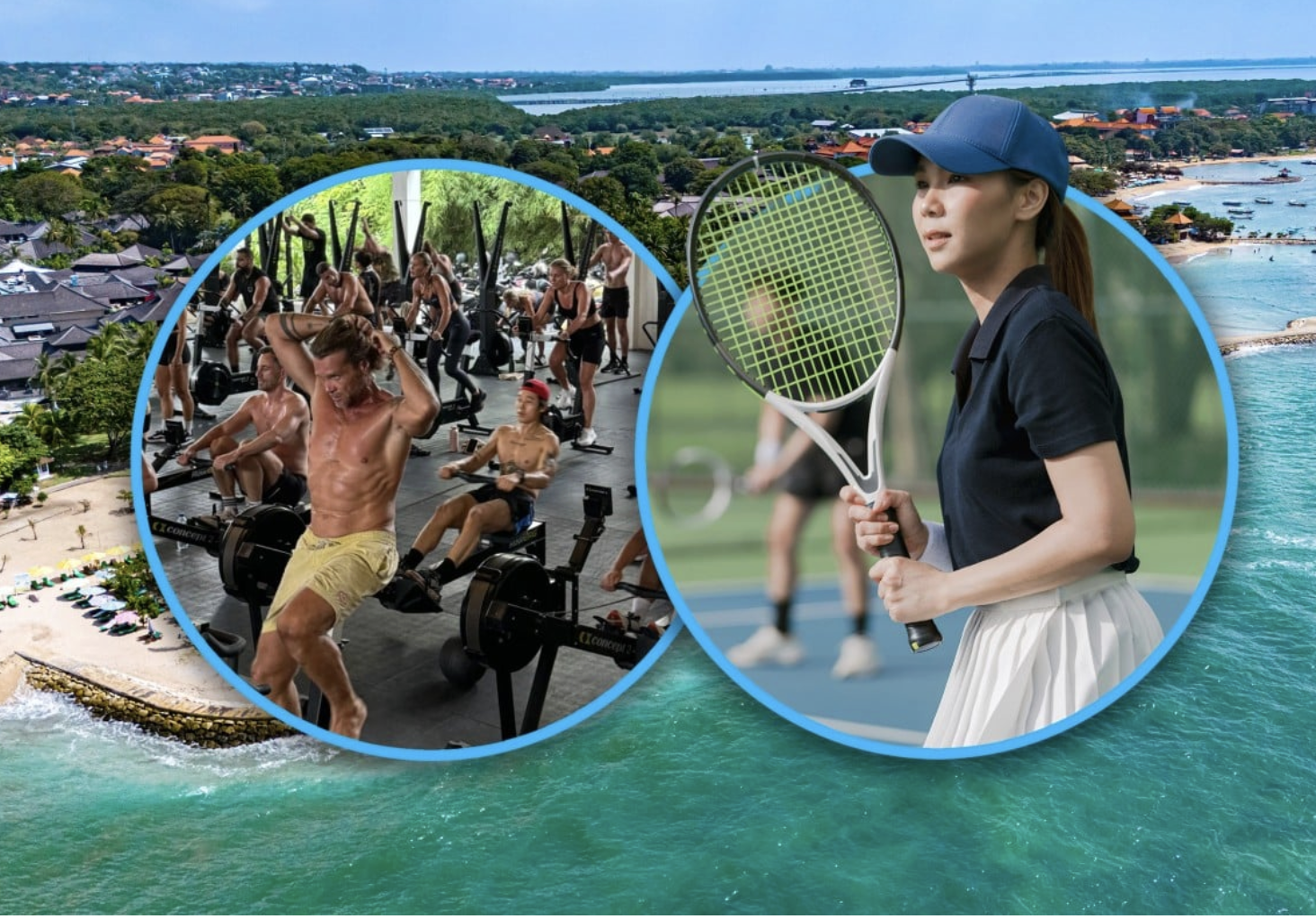
Yiqian's story clearly illustrates the boom of "Sportcation"—a concept combining "Sport" and "Vacation." This trend is transforming romantic islands into challenging arenas for physical training.
 |
Young Chinese people are embracing the "hard training" travel trend. |
In Canggu, Bali, a lodging manager noted a complete shift in the tourism atmosphere over recent months. Instead of sleeping in, groups of tourists gather at cafes from 7 AM to warm up and jog under the guidance of professional coaches. Activities like tennis, scuba diving, surfing, and CrossFit (high-intensity weightlifting) are increasingly popular.
"Canggu used to be a destination for remote workers or tourists who loved the scenery. Now, it has become a space for young people to train and enhance their physical and mental health," the manager observed.
According to many travel agencies, Generation Z customers constitute the majority of this trend. This group is willing to spend significant amounts on a trip, expecting to gain improved skills and physical fitness rather than just simple relaxation.
The rise of Sportcation is greatly supported by the surge in tennis popularity. By 2025, the number of standard tennis courts in China had increased by nearly 40% compared to five years prior, serving over 25 million players. Enthusiasts often seek small-scale training camps abroad for coaching by international instructors. After intense training sessions, they then enjoy restorative massages and explore local cuisine.
"Previously, most of our clients were under 50 years old. But recently, more and more young people are signing up for high-intensity training courses," said Lohas, a representative for a company organizing tennis and travel camps.
On social media, "Sportcation" has become a lively discussion topic. Many believe this represents an evolution in the tourism industry, as young people shift from "traveling to see sights" to "traveling to live healthily."
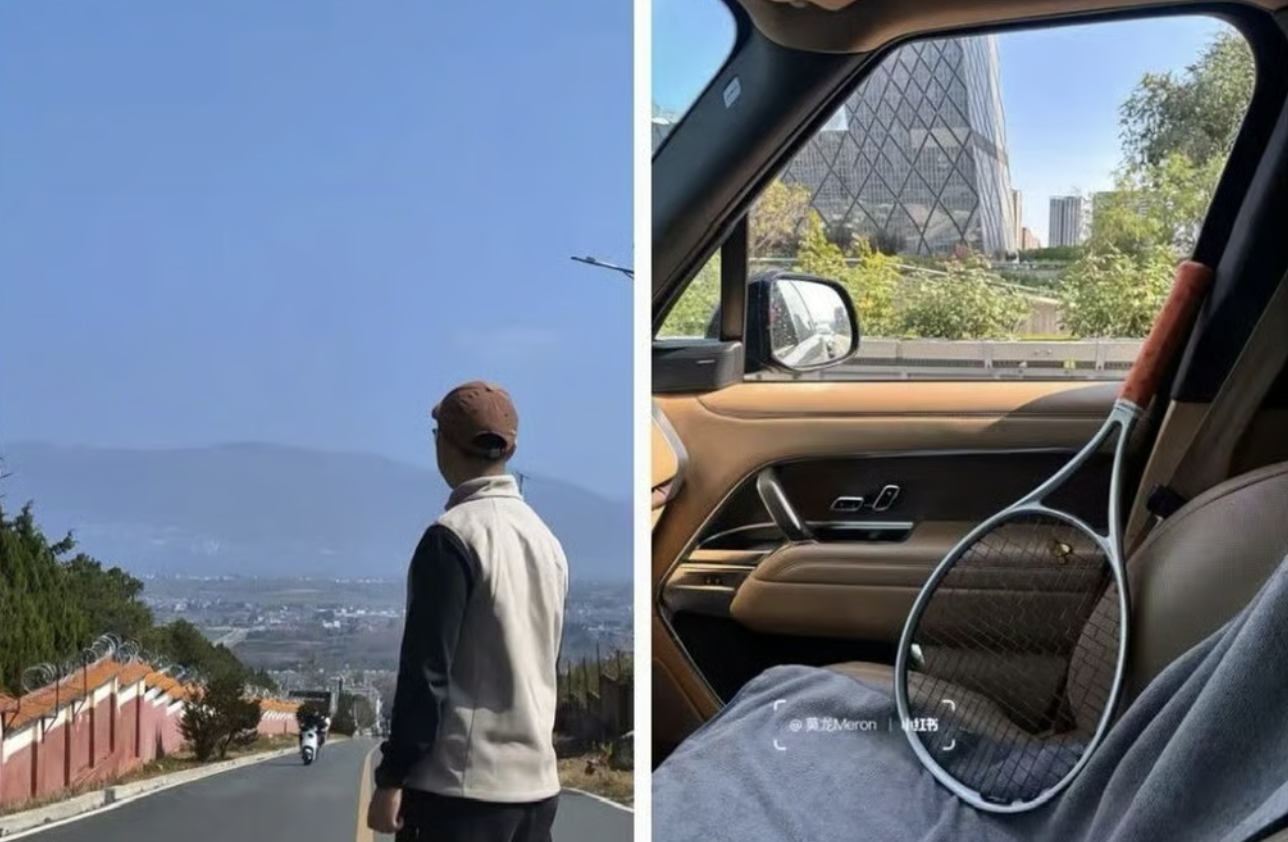 |
A man carries a racket for training at a tennis camp during a holiday. Photo: Provided by subject |
A man carries a racket for training at a tennis camp during a holiday. Photo: Provided by subject
The "Sportcation" trend is also creating a buzz among young Vietnamese. Instead of typical leisurely holidays, many are opting for balance-focused experiences, such as tranquil Yoga Retreats amidst Da Lat's pine forests, or spending tens of millions (Vietnamese dong) on surfing, kitesurfing, or marathon classes. Many Vietnamese tourists travel to Phuket, Thailand, for rigorous Muay Thai training camps, or fly to Bali, Indonesia, to experience tours combined with scuba diving.
According to a survey by the World Wellness Tourism Association (WTA), up to 76% of current travelers are prepared to spend more on trips focused on physical training and health improvement rather than just sightseeing.
However, this trend also faces mixed opinions. "This type of travel demands high discipline. It's definitely not for those who want to escape work pressure by catching up on sleep," one online user commented.
Nevertheless, experts predict that Sportcation will continue to be a major trend in the coming period, helping people redefine the concept of relaxation through pushing their own limits.
By Thanh Thanh (The Star, SCMP)