To mark Thien Tam Fund's two decades of operation, Pham Thu Huong, co-founder of the fund and vice chairwoman of Vingroup Group, has for the first time discussed its operational philosophy and long-term objectives.
The billionaire explained that while financial aid or livelihood tools can offer temporary relief, the fund's primary objective is to equip recipients with the knowledge, skills, and resources needed to sustain their livelihoods independently.
 |
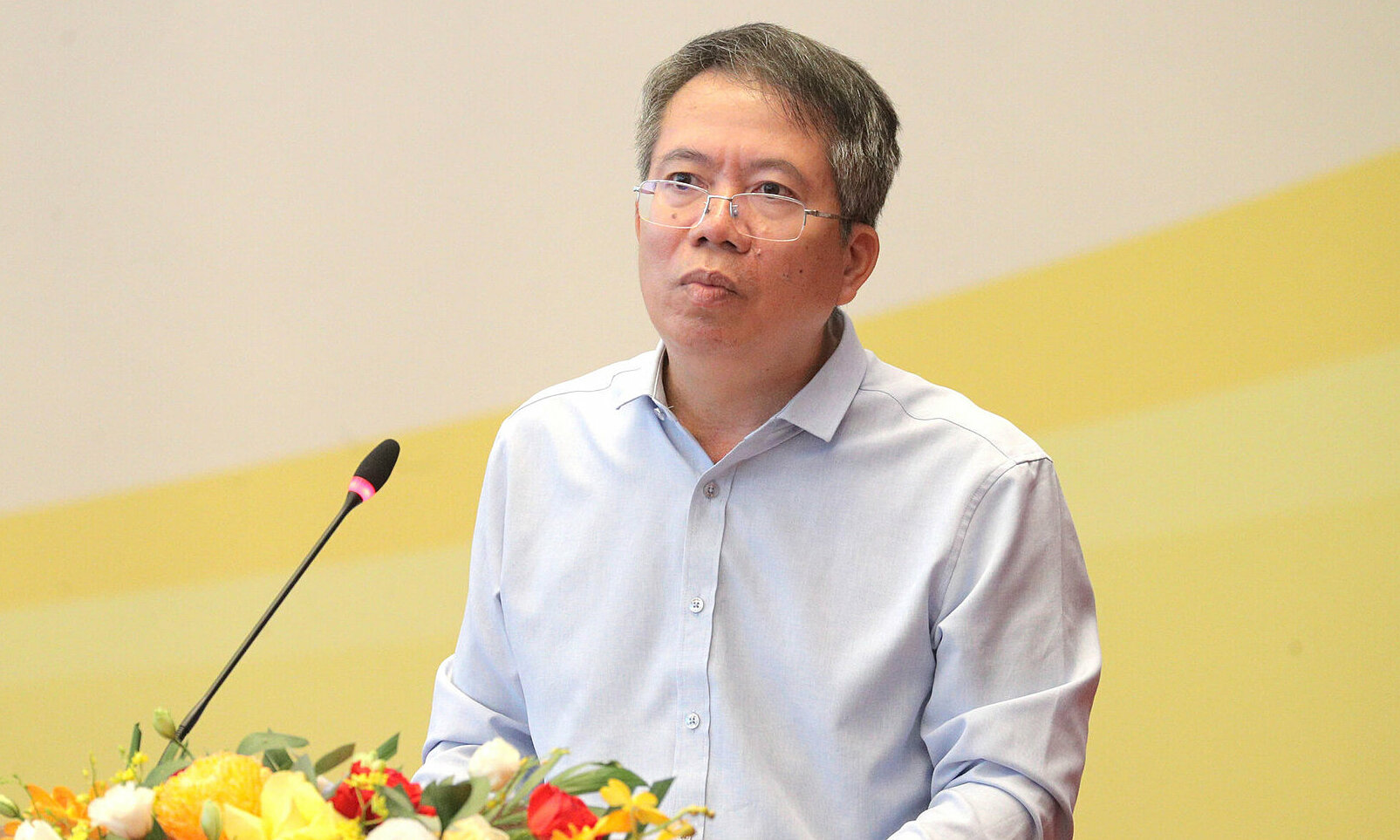
Pham Thu Huong, co-founder of Thien Tam Fund, vice chairwoman of Vingroup Group, and wife of billionaire Pham Nhat Vuong. *Photo: Vingroup*
This philosophy of creating "self-generating value chains" has guided Thien Tam Fund since its inception in 2006. One example, cited by Huong, is the "calf and buffalo calf loan bank" program. Rather than simply providing an animal to one household, the program facilitates a rotational system among families.
Households receiving a female calf or buffalo calf are responsible for its care. Once the animal matures and reproduces, its first female offspring is passed on to the next participating household. If a male is born, it can be sold, with the proceeds then used to purchase a female calf or buffalo calf for another family.
This mechanism ensures that a single breeding animal can generate livelihood opportunities for multiple households, with earlier recipients actively contributing to the resources for subsequent beneficiaries.
"What we aim to create extends beyond a single breeding animal; it's a value chain capable of continuous reproduction. An initial resource can benefit many families," Huong stated.
 |
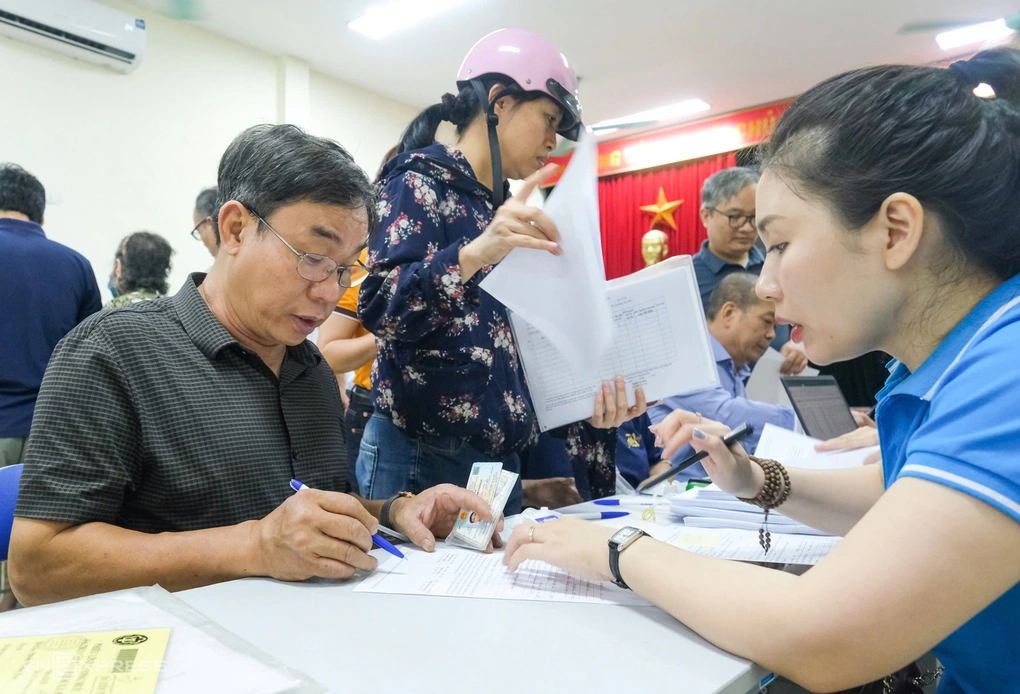
Representatives of Thien Tam Fund present seedlings to residents in Lai Chau. *Photo: Thien Tam Fund*
To ensure the effectiveness of these "self-generating value chains," Thien Tam Fund employs a scientific approach, systematic methods, and meticulous accountability for every donation. The fund maintains robust management procedures and clearly defined roles for all stakeholders. Before launching a project, fund staff verify circumstances, develop detailed plans, and finalize support strategies. During execution, the fund collaborates with local authorities to monitor outcomes before considering broader implementation.
Some programs incorporate a co-investment mechanism, requiring beneficiaries to contribute either financially, through labor, or by committing to project implementation, depending on the project's nature. This approach aims to foster greater participation and responsibility among recipients for the resources they receive.
For instance, in a program assisting residents of Khanh Hoa to transition to deep-sea aquaculture using HDPE cages, Vingroup provided 70% of the resources, while participating households contributed 30%. This allowed the residents to co-invest and directly manage their livelihood models.
This approach extends to community training and capacity-building initiatives. Huong highlighted examples such as enabling doctors to master specialized techniques for local patient care, training village midwives to support pregnant women, and assisting cooperatives in organizing production.
 |
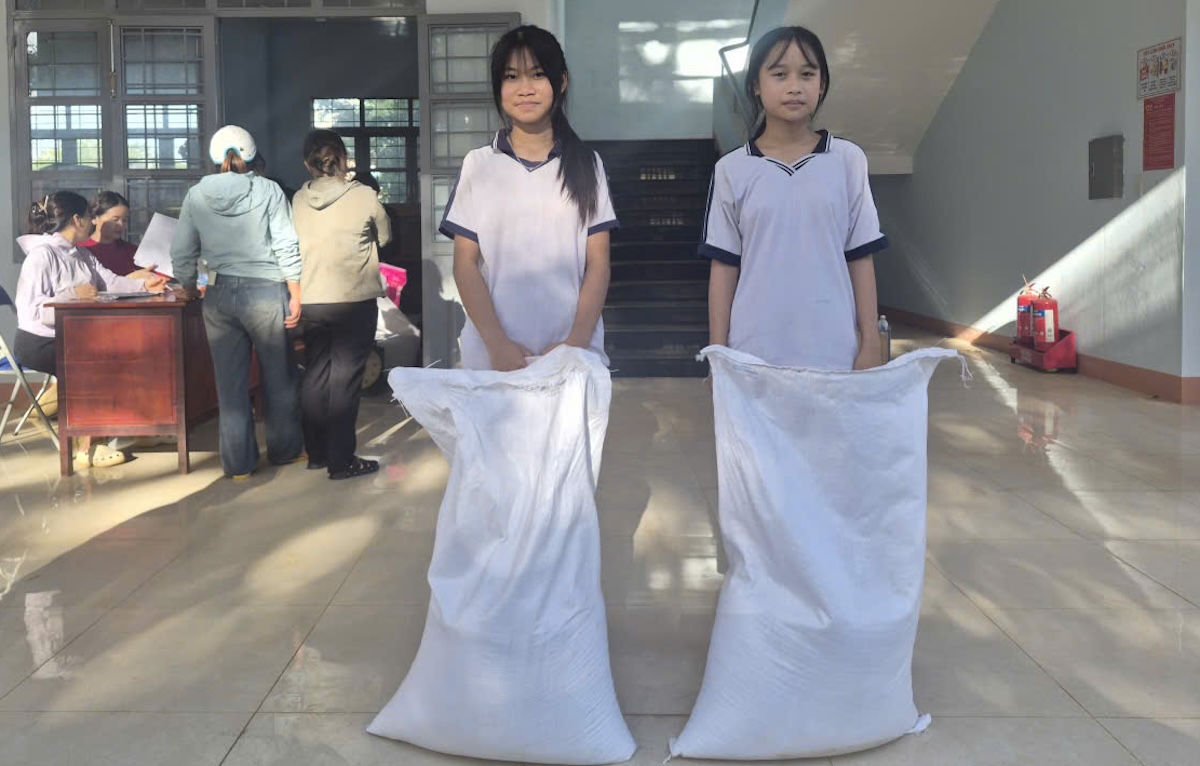
Ly Minh Tuan, director of Thien Tam Fund, visits residents affected by Typhoon Bualoi 2025. *Photo: Vingroup*
Huong emphasized that program success is not solely measured by disbursed funds or the number of beneficiaries. The fund also assesses participants' ability to maintain their livelihoods, knowledge, and self-reliance after project completion. Only successful models are considered for broader implementation.
Thien Tam Fund, an entity of Vingroup Group, operates across social welfare, education, healthcare, livelihood support, and culture. Its programs primarily assist disadvantaged individuals and communities in need. Vingroup reports that the total resources allocated to philanthropic activities have surpassed 46,000 billion VND, benefiting approximately 10 million people to date.
Van Ha