According to Sina, the success of U23 China at the tournament in Saudi Arabia is closely linked to head coach Antonio Puche's "iron discipline".
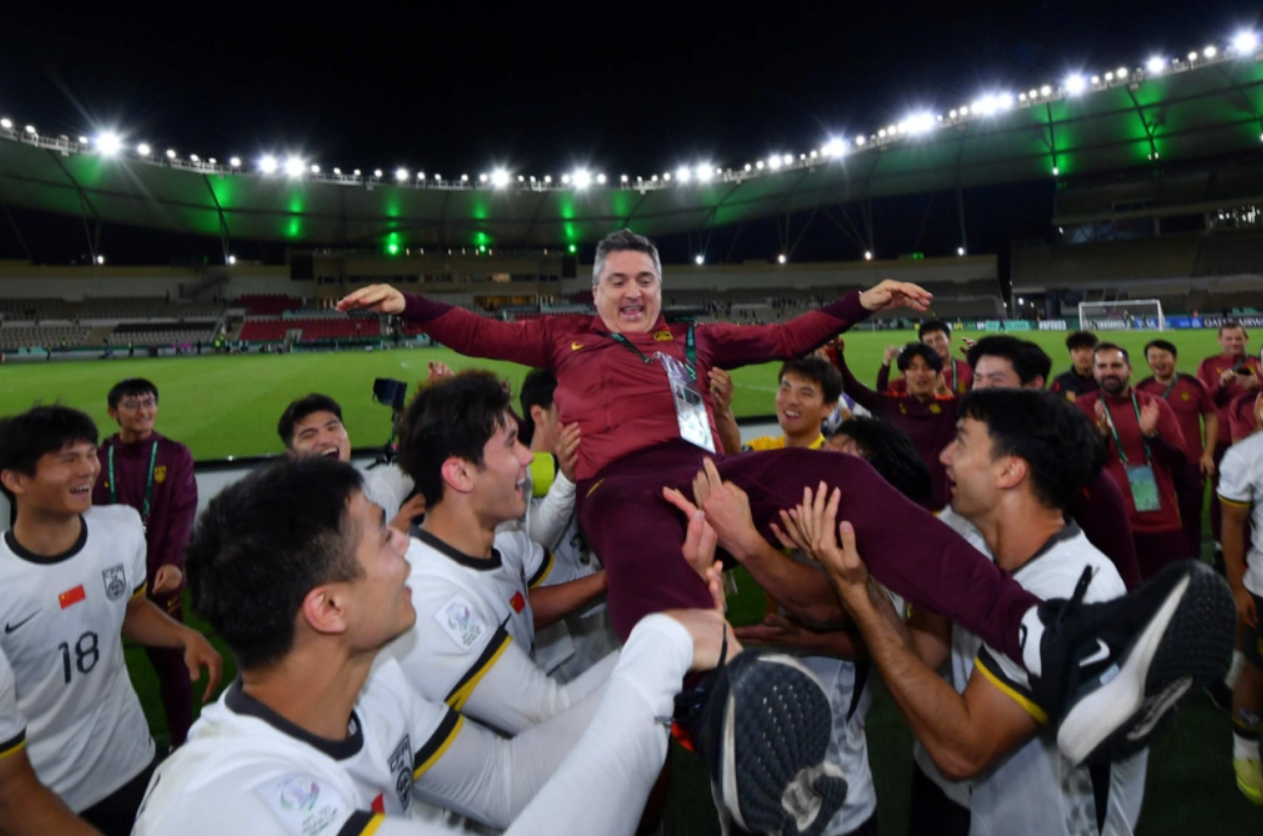 |
Chinese players lift coach Antonio Puche after their 3-0 victory over Vietnam in the AFC U23 Asian Cup 2026 semi-finals, at Prince Abdullah Al Faisal Stadium in Jeddah, Saudi Arabia on 20/1. Photo: AFC |
Beyond his technical expertise, Puche is highly regarded for his ability to elevate the team's spirit and competitive drive. While his playing style remains controversial, experts and fans acknowledge the clear improvement in the players' attitude, resolve, and fighting spirit. The team has been shaped into a disciplined, resilient, and combative unit – a direct result of the Spanish coach's firm management style.
During the tournament preparation, Puche implemented strict daily discipline. When training in Zhaoqing, the players' daily schedule revolved solely around two points: the hotel and the training ground. Rest and meal times had to adhere to strict regulations; players were not even permitted to order food from outside on their own.
Puche not only demanded compliance from his players but also led by example. Outside of training hours, he spent most of his time working in his private room, studying tactics, finalizing match plans, and discussing technical matters with his assistants.
The 53-year-old coach also requested the Chinese Football Federation to arrange a private office at the headquarters or training camp to facilitate his professional work.
Antonio Puche has not only made his mark with strict discipline but also demonstrated flexibility in his tactical thinking, thereby gradually dispelling the preconceived notions that had been associated with him.
Before the semi-finals, U23 China had scored only one goal in 4 matches, and their defense-oriented style of play led many to consider Puche conservative. In the group stage, the team's ball possession rate never exceeded 42%, even dropping to 29% in the match against Uzbekistan. These statistics caused Puche to face much skepticism regarding his ability to organize an attacking game.
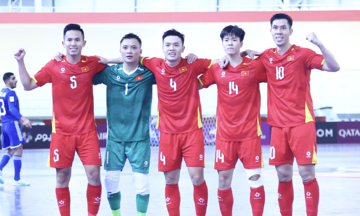
However, against Vietnam, Puche directly broke away from that pragmatic image. He caused surprise by changing 6 starting positions compared to the quarterfinal win against Uzbekistan, instructing his team to play offensively. This was a complete departure from their previous 4 matches, catching the opponent off guard and setting the stage for victory. China controlled the ball for approximately 50% of the game, at times reaching 65%, and had 16 shots – more than double Vietnam's total – to conclude the match with a 3-0 score.
Chinese media describe Puche as a "chameleon-like" coach who adapts to circumstances. He once likened himself to a "chameleon", ready to change tactics based on the squad, opponent, and tournament developments. In fact, when he previously coached the U16 team, Puche helped them score up to 27 goals in four qualifying matches without conceding any – proof of his ability to organize an effective attacking game when conditions allowed.
From reaching the semi-finals with a solid defense to decisively defeating Vietnam with a proactive game, China has shown clear flexibility under Puche. Heading into the final against Japan on 24/1, the big question is no longer about discipline or defense, but which tactical approach the "chameleon" Antonio Puche will choose to complete this historic journey.
Hong Duy (according to Sina)