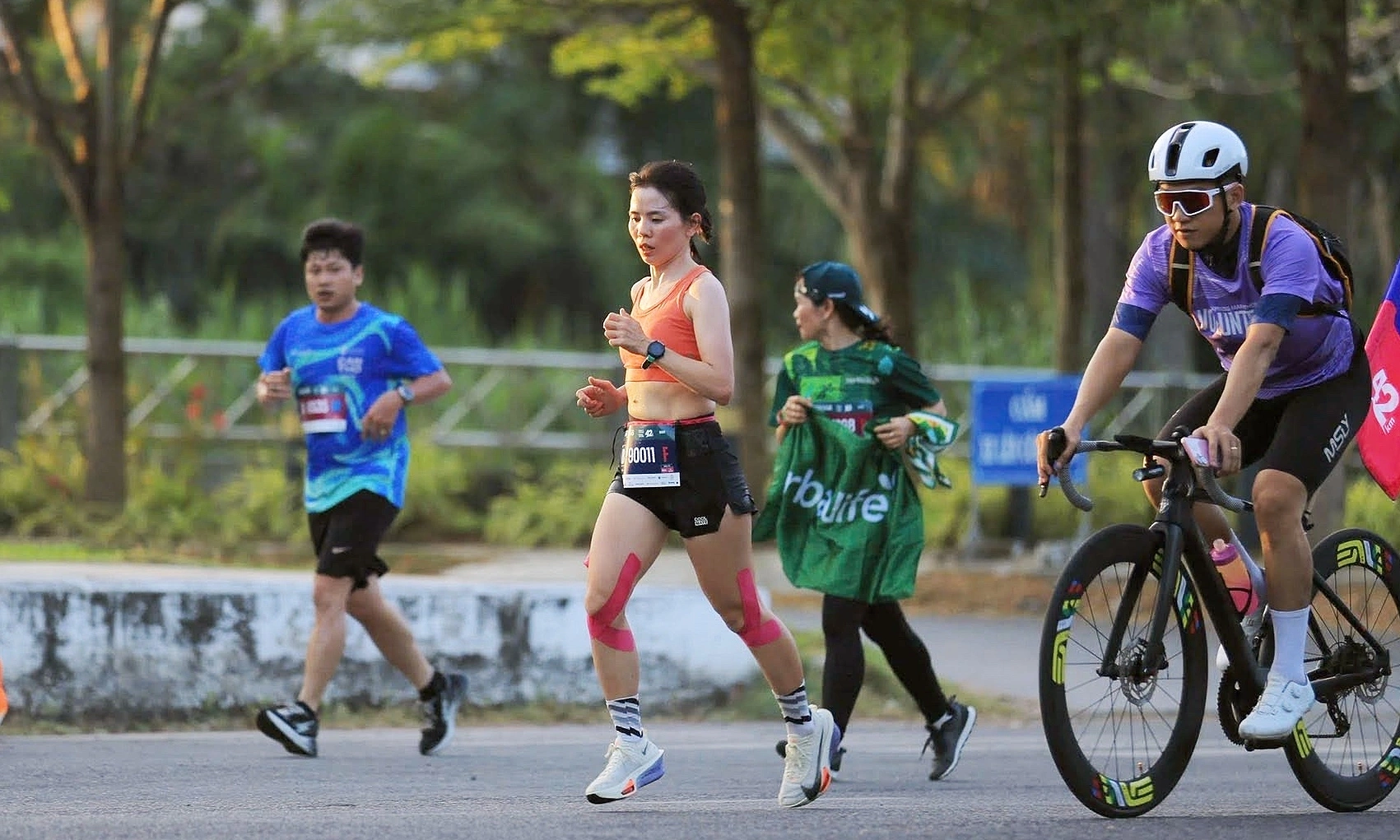
Choosing the right time is crucial. Experts advise runners to prioritize early morning or post-6 PM runs during summer to limit dehydration and reduce heat stroke risk. Research on exercise physiology in hot environments, published on NCBI, indicates that as ambient temperature rises, the body increases blood circulation to the skin and sweats more to regulate core temperature. This puts additional strain on the cardiovascular system and significantly lowers exercise performance. A study in the Journal of Applied Physiology also showed that heat and dehydration can impair exercise capacity, causing runners to tire faster and feel breathless sooner at the same intensity as in normal weather.
Reducing running intensity in hot weather is often necessary. Many runners worry about a slower pace during warmer months. However, studies on exercise in high-temperature environments show the body expends more energy for heat dissipation, leading to a natural drop in running performance. A scientific overview of exercise in heat, published on PubMed Central, states that dehydration and increased body temperature force the body to work harder to maintain circulation and stable core temperature. This increases the perception of effort even at a consistent running pace. Therefore, in summer, runners should prioritize recovery runs, easy runs, or reduce intensity instead of trying to maintain a high pace continuously.
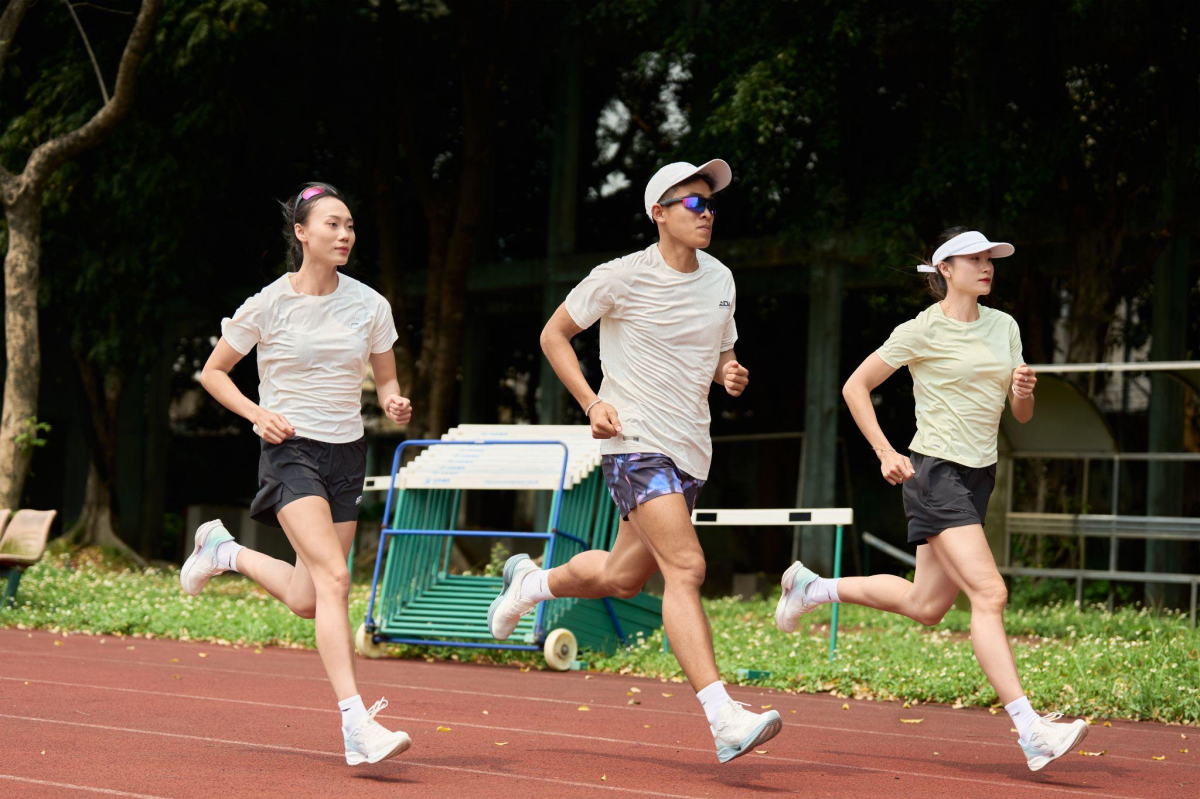 |
Vietnamese athletics team athletes during a training session. Photo: Li-Ning |
Thorough warm-ups are essential. Heat physiology studies show the body needs time to activate thermoregulation mechanisms and increase blood flow to muscles when exercising in hot weather. A proper warm-up before a run helps reduce the risk of muscle strain, cramps, and heat stroke when the body has not yet adapted to the environment. According to a document on exercise physiology in hot environments published on NCBI, exercising in hot conditions significantly increases the body's need for heat dissipation. If the transition to high-intensity exercise is too quick, the body can easily experience heat overload. After a run, cooling down and recovery also help the heart rate, body temperature, and blood circulation return to a stable state more quickly.
Hydration and electrolyte supplementation are critical. Prolonged dehydration is a major cause of fatigue for runners in summer. According to research in the journal Medicine & Science in Sports & Exercise, dehydration exceeding 2% of body weight can impair performance and increase feelings of fatigue during exercise in hot weather. Studies also note that individuals exercising in hot environments can lose 1-3 liters of sweat per hour, depending on exercise intensity and air humidity. For runs lasting over 45 minutes, runners are advised to supplement with electrolytes like sodium and potassium to prevent cramps and help maintain stable hydration.
Breathable apparel and footwear are key. Beyond training plans and nutrition, thermoregulation studies show the body's heat dissipation ability directly impacts the sensation of exercising in hot environments. Thin, lightweight, sweat-wicking, and breathable materials effectively support sweat evaporation, reducing the stuffy feeling during long outdoor runs. Clothing made from these materials helps the body dissipate heat more effectively during exercise. Many runners now also opt for accessories such as caps, sunglasses, or cooling towels to minimize the direct impact of summer sun during outdoor training.
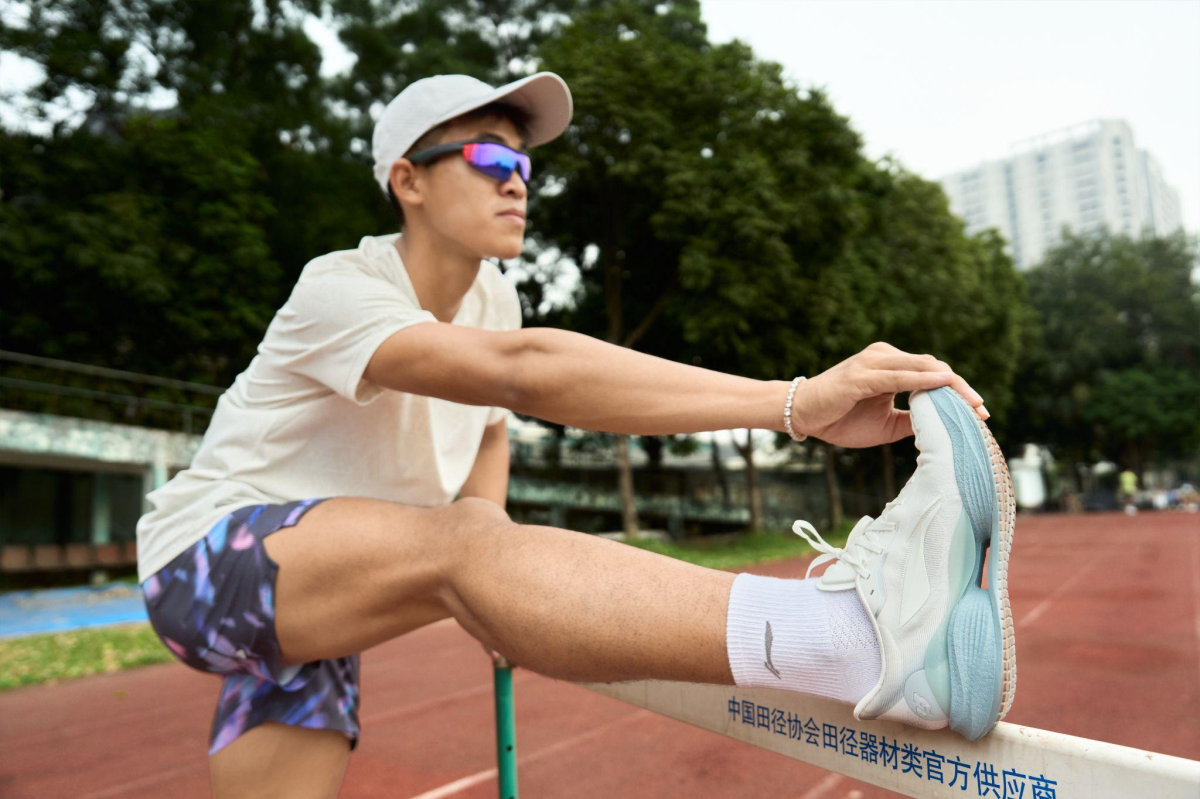 |
Superlight 23, with its lightweight upper design and breathable upper, is suitable for daily runs. Photo: Li-Ning |
Choosing appropriate running shoes also significantly impacts the summer training experience. In high temperatures, lightweight and breathable shoe designs are often favored by runners because they reduce the feeling of stuffiness and provide comfort during prolonged activity. Vietnamese national athletics team athletes often prefer shoe models with breathable mesh uppers for summer training to maintain a light feel and limit heat buildup during outdoor runs.
The Superlight 23 from the Li-Ning brand is a daily running shoe model that athletes find appealing. The shoe weighs approximately 195g and features a breathable Jacquard upper, making it suitable for everyday runs in hot weather. Its compact and flexible upper design helps runners maintain a more natural range of motion during easy runs or short daily runs.
Li-Ning's ChaoYing running shoe line offers a soft and stable feel. To minimize pressure on the feet, the shoe includes cushioning for impact absorption and a supportive upper structure. This product is suitable for daily runs or supplementary training.
 |
Athlete Hoang Thanh Giang chooses ChaoYing footwear. Photo: Li-Ning |
While hot weather can make maintaining a running routine more challenging, summer remains a crucial period for enhancing endurance and the body's adaptability. Listening to your body's signals, adjusting training plans, and adequately preparing with appropriate apparel and nutrition will help runners maintain performance and mitigate risks when exercising in harsh weather conditions.
Yen Chi
Readers can learn more about running shoe lines suitable for hot weather conditions here.