Russia was banned from competing in the Olympics as an independent nation since 2016 due to a government-sponsored doping scandal, and later due to the conflict in Ukraine. However, on 7/7, the IOC Executive Board decided to reinstate the membership of the Russian Olympic Committee (ROC), acknowledging that the organization no longer controls sports bodies in Ukrainian territories occupied by Russia.
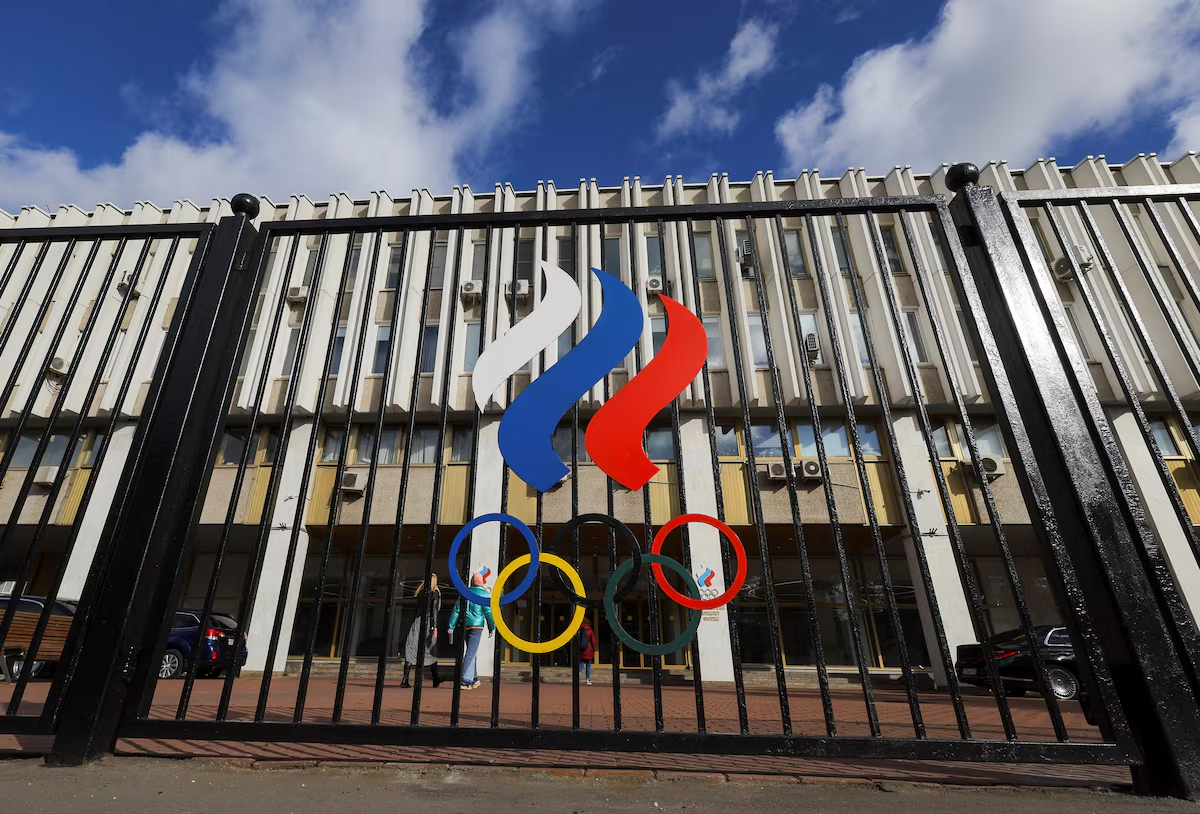 |
The gateway to the Russian Olympic Committee headquarters in Moscow, Russia on 13/10/2023. Photo: Reuters
IOC President Kirsty Coventry also cited a second reason for this decision. last week, the IOC amended its rules to emphasize that athletes should not be punished for actions caused by their government. "We want to ensure all athletes have the opportunity to compete at the olympic games and are not held responsible for the actions of their government," Coventry stated during a press conference on 7/7. "This decision allows Russian athletes to participate in sports events again, but we also want to send a clear message that the IOC does not support violence or conflict in the world."
For the Paris 2024 summer olympics and the Milano-Cortina 2026 winter olympics, only 27 Russian athletes competed after undergoing a strict vetting process to ensure they did not publicly support the conflict in Ukraine. This regulation has now been abolished, and Russian athletes are only required to comply with the Olympic Charter. This means hundreds of Russian athletes could participate in the Los Angeles olympics two years from now.
However, the IOC's decision currently comes with binding conditions to ensure Russia adheres to the rules. The IOC stated it has not yet decided whether Russia will be allowed to use its national flag, traditional colors, or anthem at Los Angeles 2028.
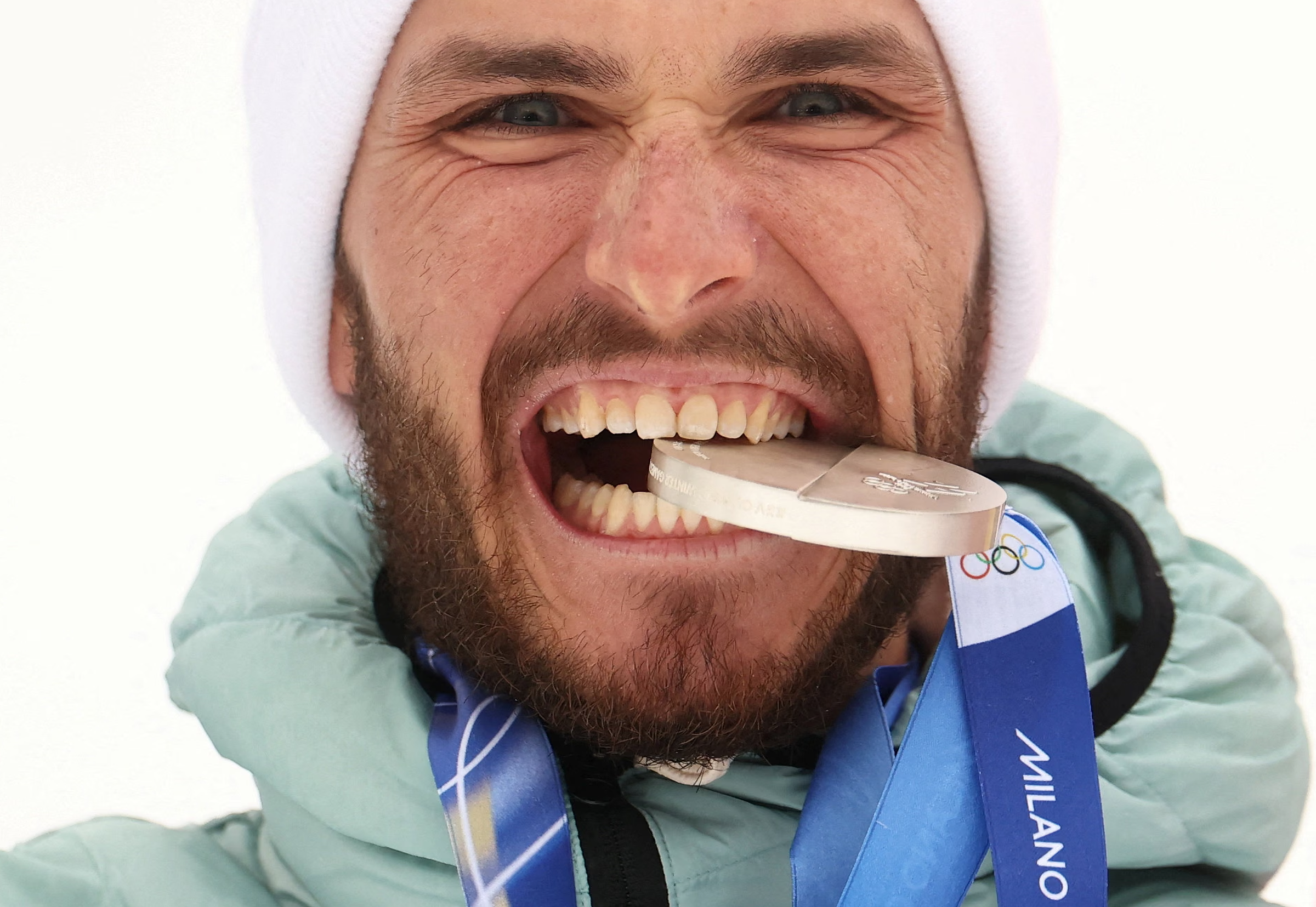 |
Russian athlete Nikita Filippov, who won a silver medal in the men's ski mountaineering – sprint event at the Milano-Cortina 2026 winter olympics as a neutral athlete. Photo: Reuters
Simultaneously, the IOC will not organize any events in Russia, nor will it invite Russian government officials to its events. Russian athletes will undergo multiple doping tests conducted by the International Testing Agency (ITA) before being allowed to compete again, due to persistent concerns about prohibited substances. This consequence stems partly from the fact that the Russian Anti-Doping Agency (RUSADA) remains suspended following reports that its director was involved in concealing test results at the Sochi 2014 winter olympics.
The IOC also noted that individual sports federations and competitions have full discretion regarding Russia's case. According to the British newspaper Guardian, many sports are expected to allow Russian teams and national anthems to return before Los Angeles 2028 begins.
However, for now, the International Federation of Association Football (FIFA) and the Union of European Football Associations (UEFA) have stated they have no immediate plans to allow Russian clubs and national teams to return to international competitions. last week, World Athletics also maintained its decision to ban Russian and Belarusian athletes from all international competitions.
The IOC's decision was welcomed by Russian Sports Minister Mikhail Degtyarev. He believes this move will help a range of sports restore competition status for Russian sports teams in the near future, and pave the way for Russia to host major sports events.
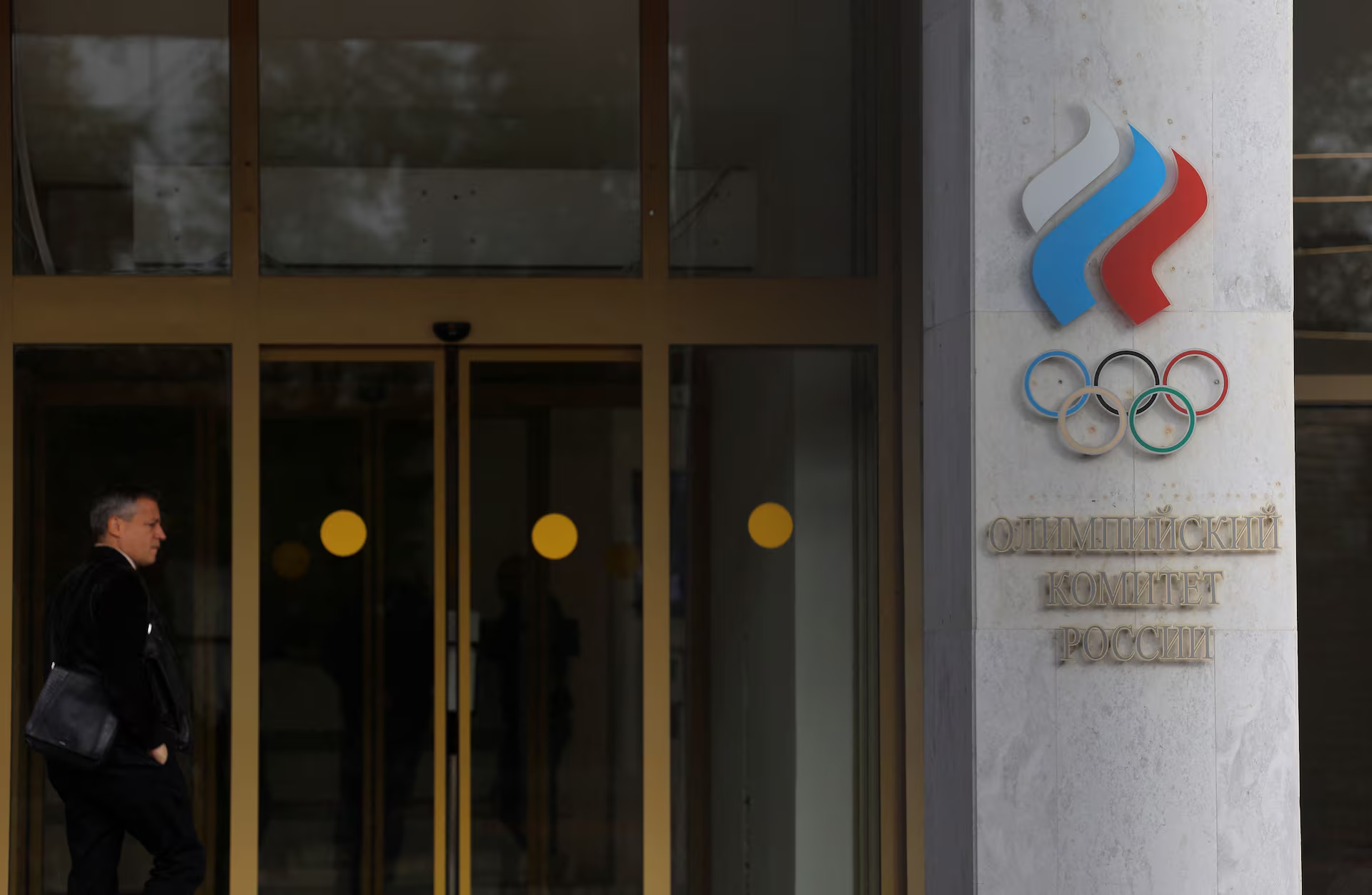 |
The entrance to the Russian Olympic Committee headquarters in Moscow, Russia on 13/10/2023. Photo: Reuters
"This is a clear roadmap to ensure all sports federations restore status for Russian national teams and bring them back to the international arena," Degtyarev said. "We have conducted tireless diplomacy to bring our athletes back. The IOC allowing national federations to decide on hosting world championships and international competitions is also an important detail. We will certainly take advantage of this."
British Culture Minister Lisa Nandy held a completely opposite view. "I am completely appalled by the IOC's decision," she declared. "The British government has consistently maintained that the Russian state should not be represented in international sporting arenas as long as the conflict in Ukraine continues. We remain united with Ukraine."
Nandy also expressed concern that Russia's past involvement with doping could cause athletes from other sports to lose faith in the fairness of future events. This view was echoed by two organizations advocating for athlete rights and promoting clean sport, Global Athlete and FairSport.
"By welcoming Russia back into the olympic movement despite the nation's history of state-sponsored doping and the ongoing war in Ukraine, the IOC has chosen to rewrite and lower its own accountability standards," commented Rob Koehler, Director General of Global Athlete. "There is no evidence that Russia has changed. The Olympic Charter was created to protect the integrity of sport, not to compromise with those who have repeatedly violated it."
Compiled by Hoang Thong