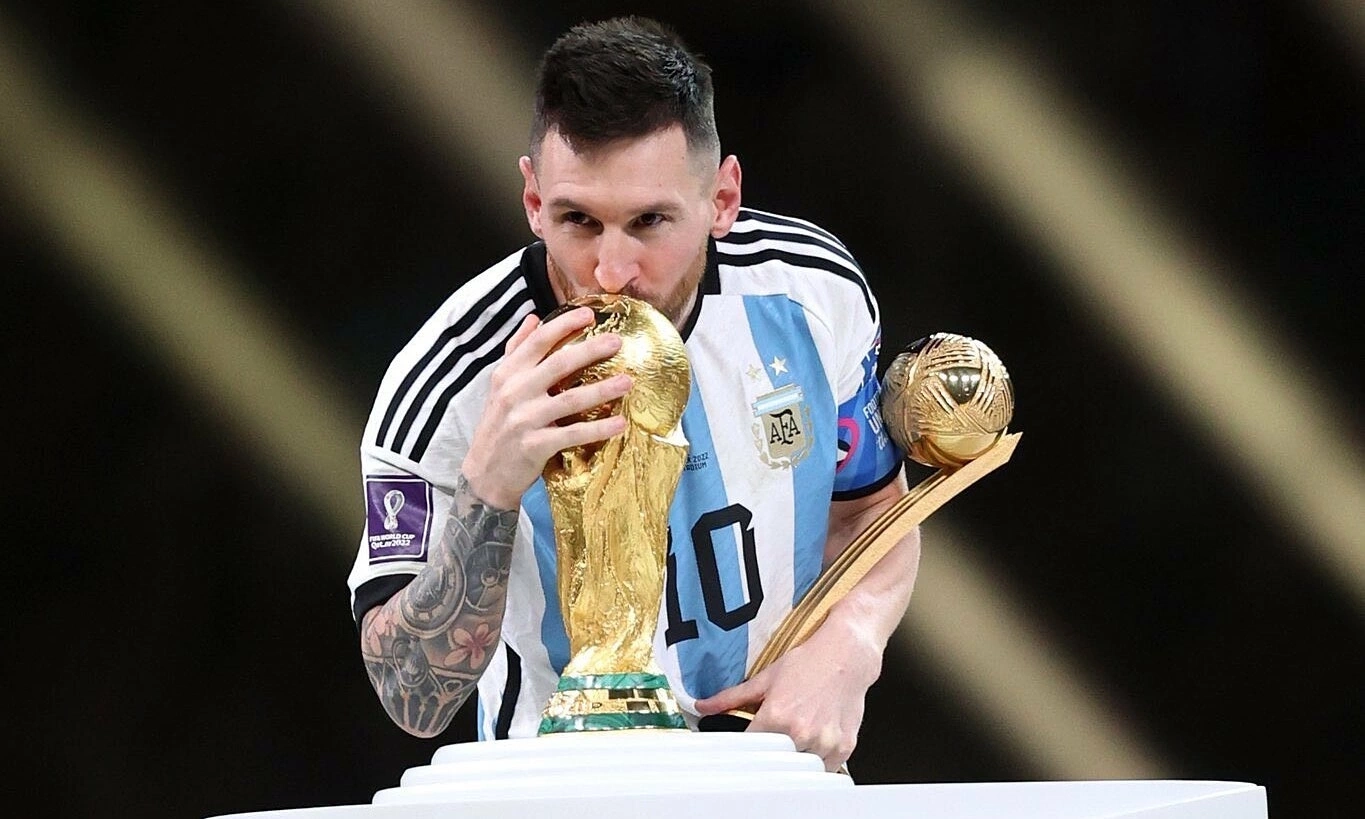
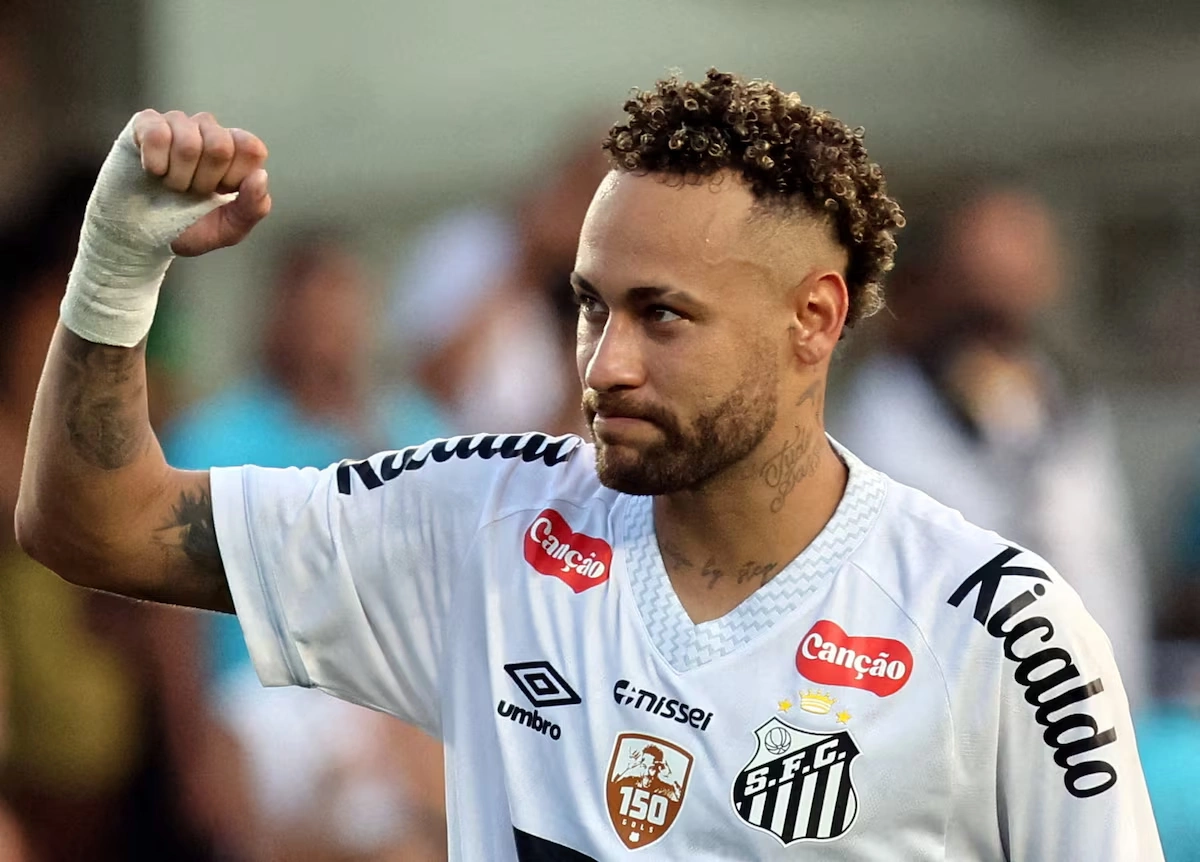
While media attention often focuses on Kylian Mbappe's 8 goals, the new attacking quartet featuring Ousmane Dembele or Michael Olise, or coach Didier Deschamps' tactical adjustments, long-range shooting is an under-recognized strength of the French national team. This attribute could prove crucial in today's 2026 World Cup semi-final against Spain. France has scored four goals from outside the box, accounting for 25% of their total goals so far in the tournament. Only Sweden, with three goals in their opening match against Tunisia, has a comparable record.
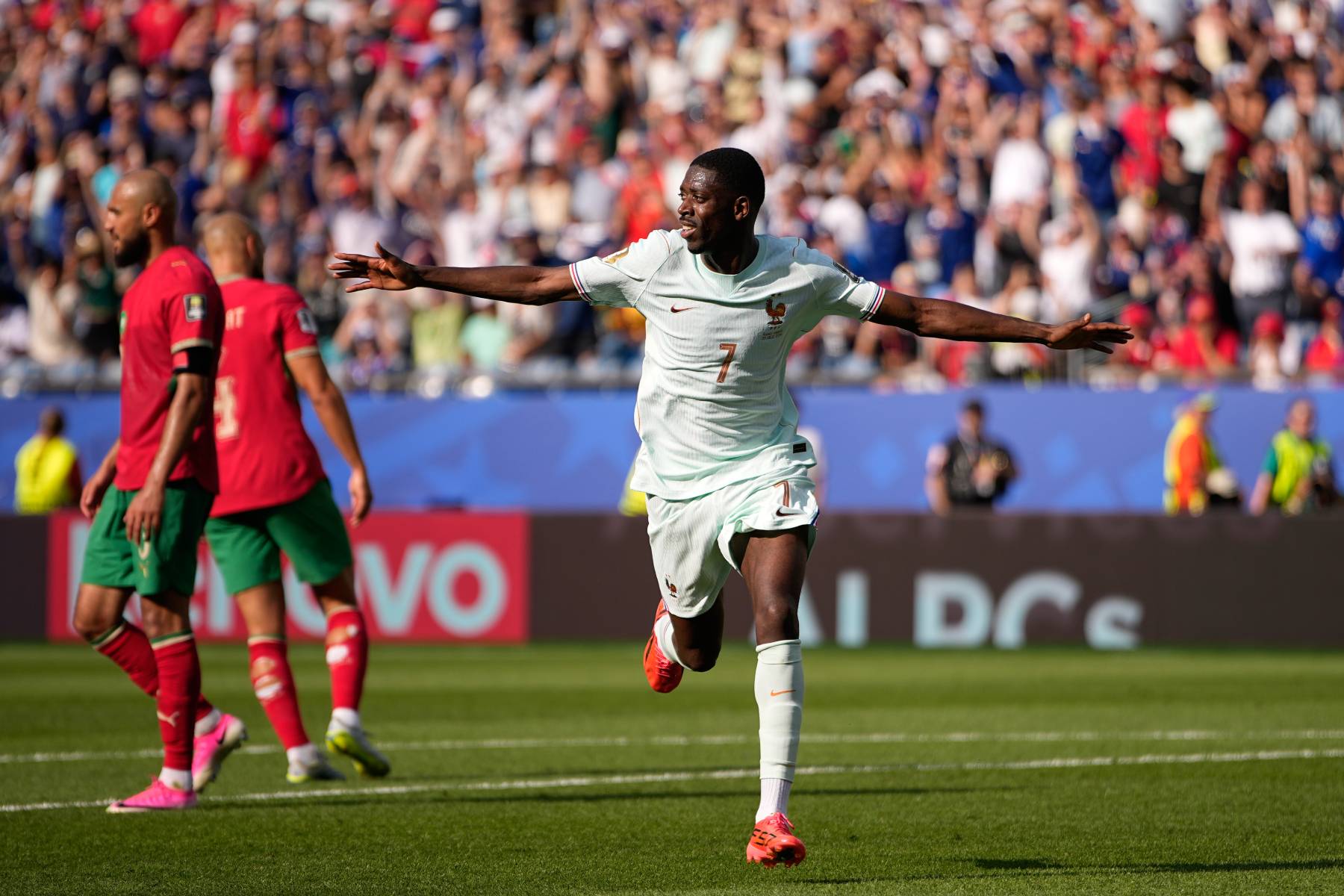 |
Ousmane Dembele celebrates after scoring a long-range goal, securing a 2-0 victory against Morocco in the 2026 World Cup quarter-finals on 9/7, in Massachusetts, US. *Photo: AP*
Goals from outside the penalty area are a vital weapon in football. They can break through deep defensive setups, change the game's momentum, and decide outcomes. This tactic is particularly effective against opponents adept at controlling possession and space.
For instance, Barcelona struggled after Julian Alvarez's free-kick goal in the 2025-2026 Champions League quarter-finals (losing 2-3 overall), and Real Madrid lost control of their match when Declan Rice scored two free-kick goals in the previous season's quarter-finals (losing 1-5).
According to So Foot, France can leverage long-range shots against Spain in the World Cup semi-final on 14/7. Spain's defensive strategy relies on controlling space, and their attack is built on high possession rates, often reaching 70%. The Euro 2024 champions may not always be explosive, but they consistently dominate, make few mistakes, and have conceded only one goal. Against such an opponent, in addition to counter-attacks and transitions, France will need accurate long-range efforts.
Kylian Mbappe and Ousmane Dembele have each scored two of France's four long-range goals. They are also the two highest scorers for the reigning finalists, contributing a combined 13 of the team's 16 goals. Midfielder Olise, Adrien Rabiot, and defender Lucas Digne also possess strong long-range shooting abilities.
The increase in goals from outside the box is a positive sign for coach Didier Deschamps' squad. When France won the 2018 World Cup, they also scored four long-range goals, with contributions from Paul Pogba (against Croatia), Antoine Griezmann (Uruguay), Benjamin Pavard (Argentina), and Mbappe (Croatia).
Conversely, France's chances of winning have often diminished when they haven't effectively utilized this weapon. They managed only one long-range goal in total when reaching the Euro 2021 round of 16 and the Euro 2024 semi-finals, and similarly one goal when they reached the 2022 World Cup final (losing to Argentina).
Statistical analysis further highlights this trend. In the 2018 tournament, France attempted 28 long-range shots out of 101 total attempts. This statistic has significantly increased to 49 long-range shots out of 110 total attempts after six matches in this year's tournament, representing 45% of their total shots. This sharp increase likely reflects both the quality of the players and the tactical challenges of facing more opponents who employ deep defensive formations.
Historically, France has won 13 matches, drawn 7, and lost 18 against Spain. The two teams have met only once in the World Cup, in the 2006 round of 16, where France secured a 3-1 victory. Should France defeat Spain, Deschamps' team will advance to the 2026 World Cup final to face either England or Argentina.
This semi-final follows France's 2-0 victory over Morocco in the 2026 World Cup quarter-finals on 9/7.
Thanh Quy (according to So Foot)