


Speaking in Rome ahead of the Italy Open 2026, Sabalenka stated that a boycott might be the only way for players to protect their rights. The four-time Grand Slam champion believes athletes, especially female players, are currently more united in the ongoing dispute with the four major tournaments: the Australian Open, Roland Garros, Wimbledon, and the US Open.
"I feel that might be the only way to fight for our rights," Sabalenka said. "Let's see how things progress. What if, in the end, players need to boycott the tournament?" The Belarusian player also argued that the current system is unfair to players. "Without us, there would be no tournaments and no entertainment. We deserve a higher share of the revenue," she added.
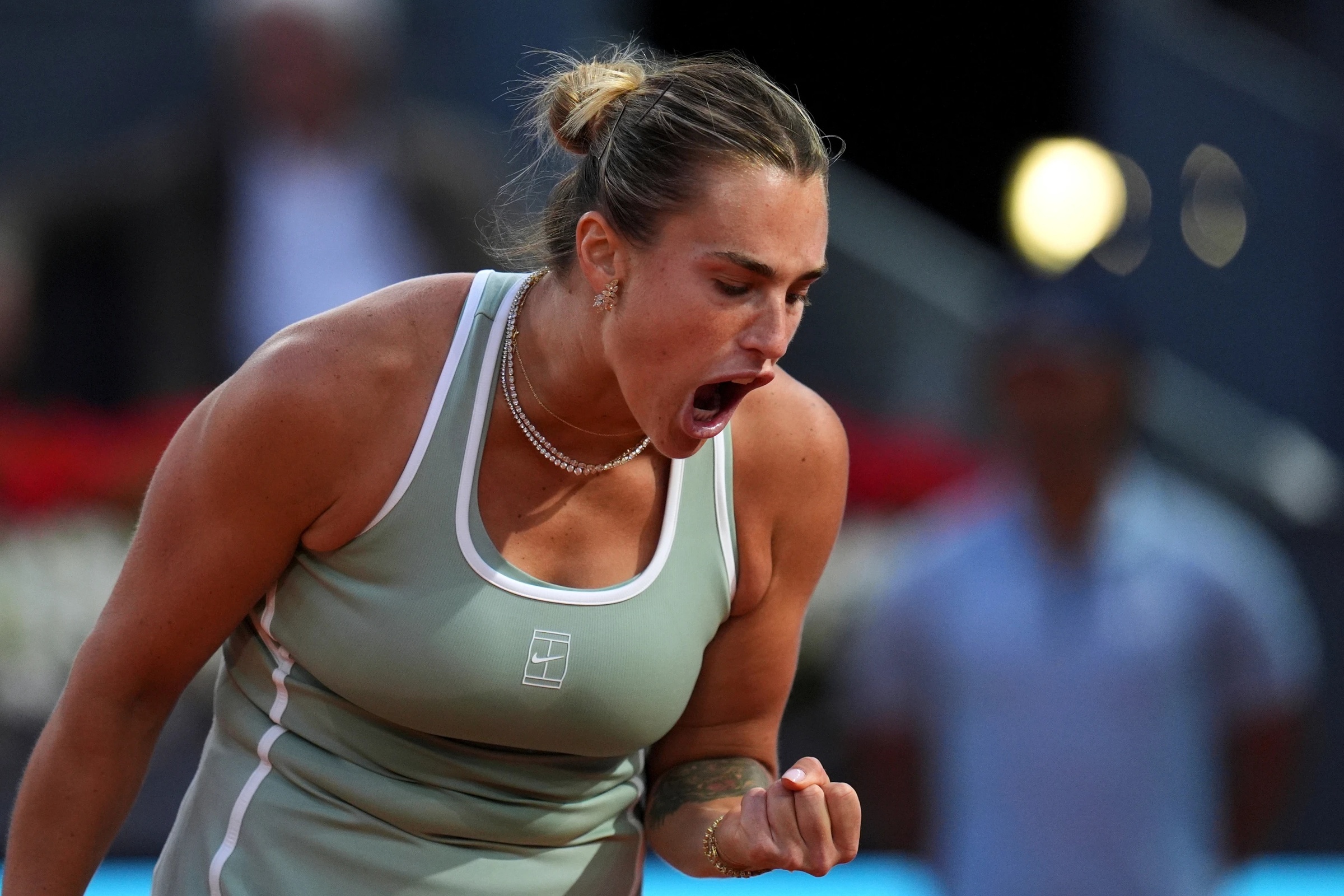 |
Sabalenka celebrates a point during her match against Hailey Baptiste at the Madrid Open in Spain on 28/4. Photo: AP |
Sabalenka's statement gained attention as the world number one player publicly mentioned a potential Grand Slam boycott for the first time. While no specific plans exist, the warning signals rising tensions between athletes and major tournaments.
The conflict intensified after the French Open (Roland Garros) announced a 9,5% increase in prize money, reaching approximately 72 million USD. According to top players, this figure represents only about 15% of Roland Garros's revenue, significantly lower than the approximately 22% share at jointly organized ATP and WTA events.
The group of athletes argues that Grand Slams consistently achieve record revenues from television rights, sponsorships, and commercial deals, but the share allocated to players has not increased proportionally. Beyond prize money, they also demand consultation on major decisions and additional funds for health and welfare support. Casper Ruud cited examples like the NBA, NFL, and MLB, where athletes typically receive about 50% of the league's total revenue. The Norwegian player acknowledged that tennis might struggle to reach that level, but suggested that every percentage increase holds significance.
Sabalenka is not the only voice. Jannik Sinner, Carlos Alcaraz, and Coco Gauff are among approximately 20 top players who signed a protest letter sent to the organizers of the four Grand Slams. In a joint statement, this group expressed deep disappointment regarding the current prize money levels at Roland Garros. They contend that the value generated by players is growing, while their share of revenue is proportionally decreasing. "Grand Slams continue to resist change, even as many other major sports have modernized their governance and benefit-sharing approaches," the statement read.
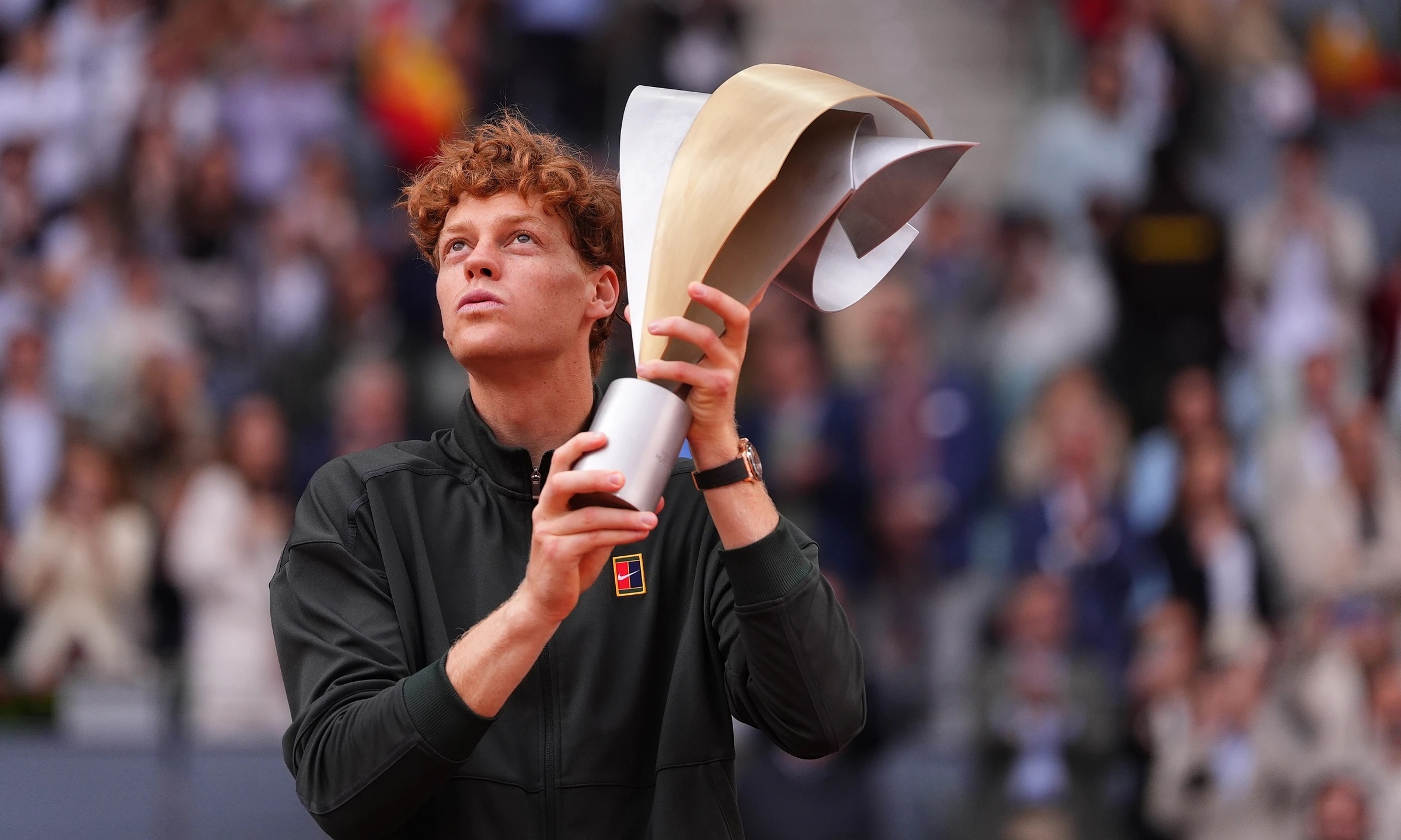 |
Jannik Sinner with his Madrid Masters championship in Spain on 3/5. Photo: AP |
According to British media, top players sent their first petition letter to the Grand Slams in 3/2025, followed by another in 7/2025. However, they believe the organizers have not responded seriously enough to proposals concerning prize money, welfare, and player representation. The group of players even declined a meeting with representatives from Wimbledon, Roland Garros, and the US Open at Indian Wells in 3/2026, arguing that the Grand Slams had not offered substantive solutions.
Meanwhile, star Novak Djokovic sided with the group advocating for reform of the revenue-sharing system. The Serbian player has long and repeatedly spoken out about athletes, particularly those outside the top rankings, facing financial difficulties despite competing professionally. A frequently cited argument is that not every player is as wealthy as Sabalenka or Sinner. Many ranked outside the top 100 must cover their own airfare, hotels, coaches, and support staff, meaning their actual income is not as high as the public perceives.
However, not all players are ready to support the boycott idea. Former women's world number one Iga Swiatek, a four-time Roland Garros champion, said she had not heard about specific boycott plans. Nevertheless, Swiatek agreed that players need to be heard more in decisions made by the Grand Slam system. Ben Shelton also expressed caution. The American player stated that he was unaware of the boycott details but supported continued negotiations to improve conditions for players.
The French Tennis Federation countered that Roland Garros is a non-profit organization, with most revenue reinvested into infrastructure and youth tennis development. They stated that over 468 million USD has been spent upgrading the Roland Garros complex in recent years, including improving conditions for players.
By Hoang An


