Individual time trial stages are at the center of a controversy at the Tour de France Femmes 2026.
According to the teams, adding foam or other materials to the chest area can alter body shape, reducing air resistance and providing an advantage contrary to International Cycling Union (UCI) regulations.
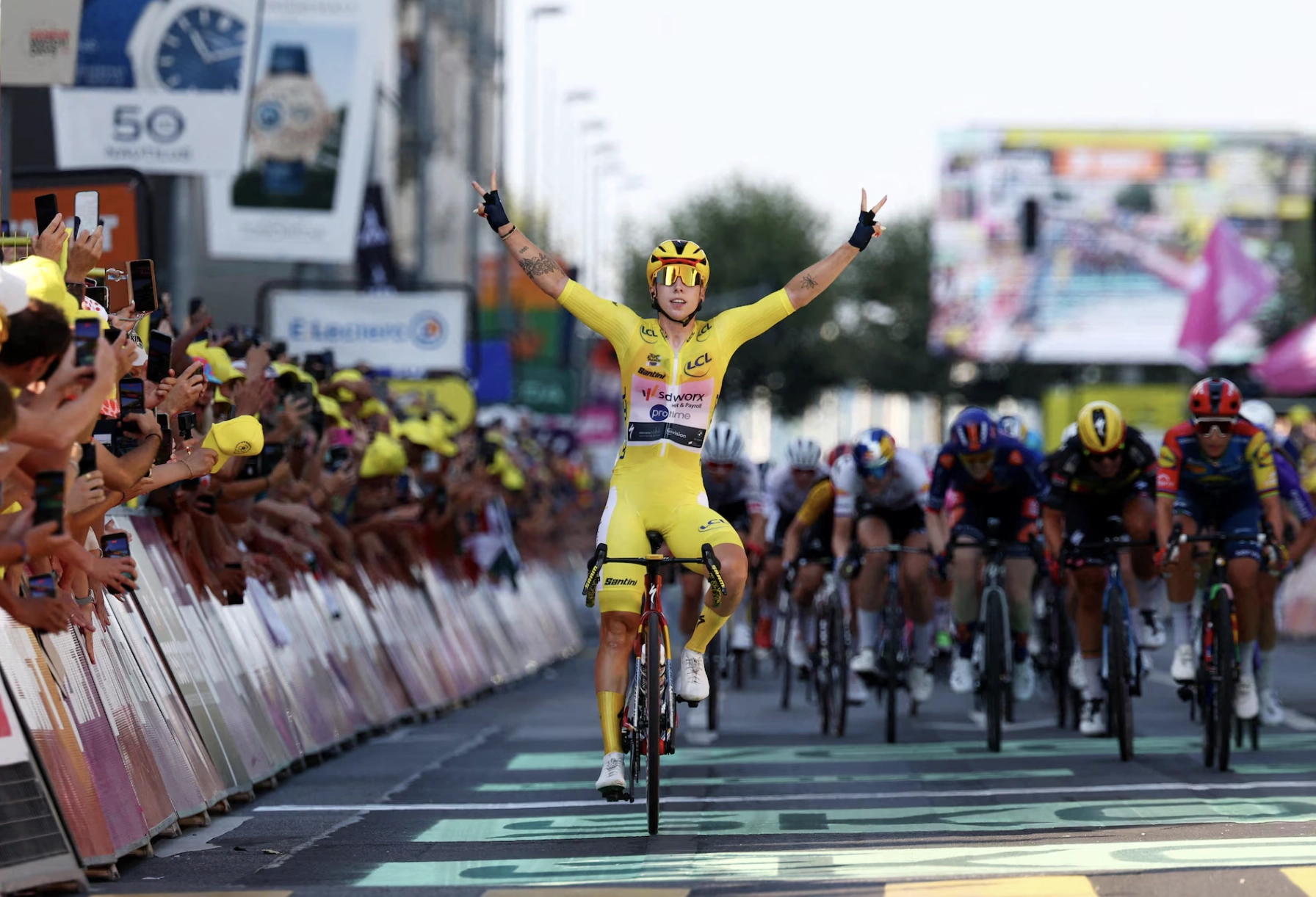 |
Lorena Wiebes (SD Worx - Protime team) celebrates after finishing first in stage two of the Tour de France Femmes 2026, from Aigle to Geneva, Switzerland on 2/8. *Reuters* |
WielerFlits, a specialized news outlet, quoted representatives from several teams who observed some athletes having significantly larger chest circumferences in time trial stages compared to road race stages.
This discrepancy has raised suspicions that riders are employing a method known as "chest fairing" – artificially altering the chest area with foam or materials hidden under their racing attire to optimize wind penetration.
Bert Blocken, a leading global expert in cycling aerodynamics, believes this method could offer a real benefit. According to him, altering airflow around the body reduces pressure on the thighs and decreases aerodynamic drag. While not providing a minute-long advantage, it could save athletes a few seconds in a 20-30 km time trial – a margin sufficient to influence the outcome.
Studies conducted and published by Blocken two years ago indicated that optimizing chest shape could reduce drag by up to 3,6%, equivalent to a minimum advantage of approximately 0,78 seconds per km. Other research on triathletes also showed similar effectiveness when adjusting torso shape for optimal airflow.
The UCI is reportedly aware of this phenomenon. Blocken stated he previously reported his research findings to Michael Rogers, the UCI's Director of Innovation, during the organization's review of issues related to aerodynamic equipment.
UCI regulations also explicitly state that altering an athlete's body shape with clothing or additional materials is prohibited. Article 1.3.033 forbids the use of foam, padding, tape, or plastic components to change body shape for a competitive advantage. Violators may face immediate disqualification from the race, along with fines ranging from approximately 250 to 1.240 USD, or higher in severe cases.
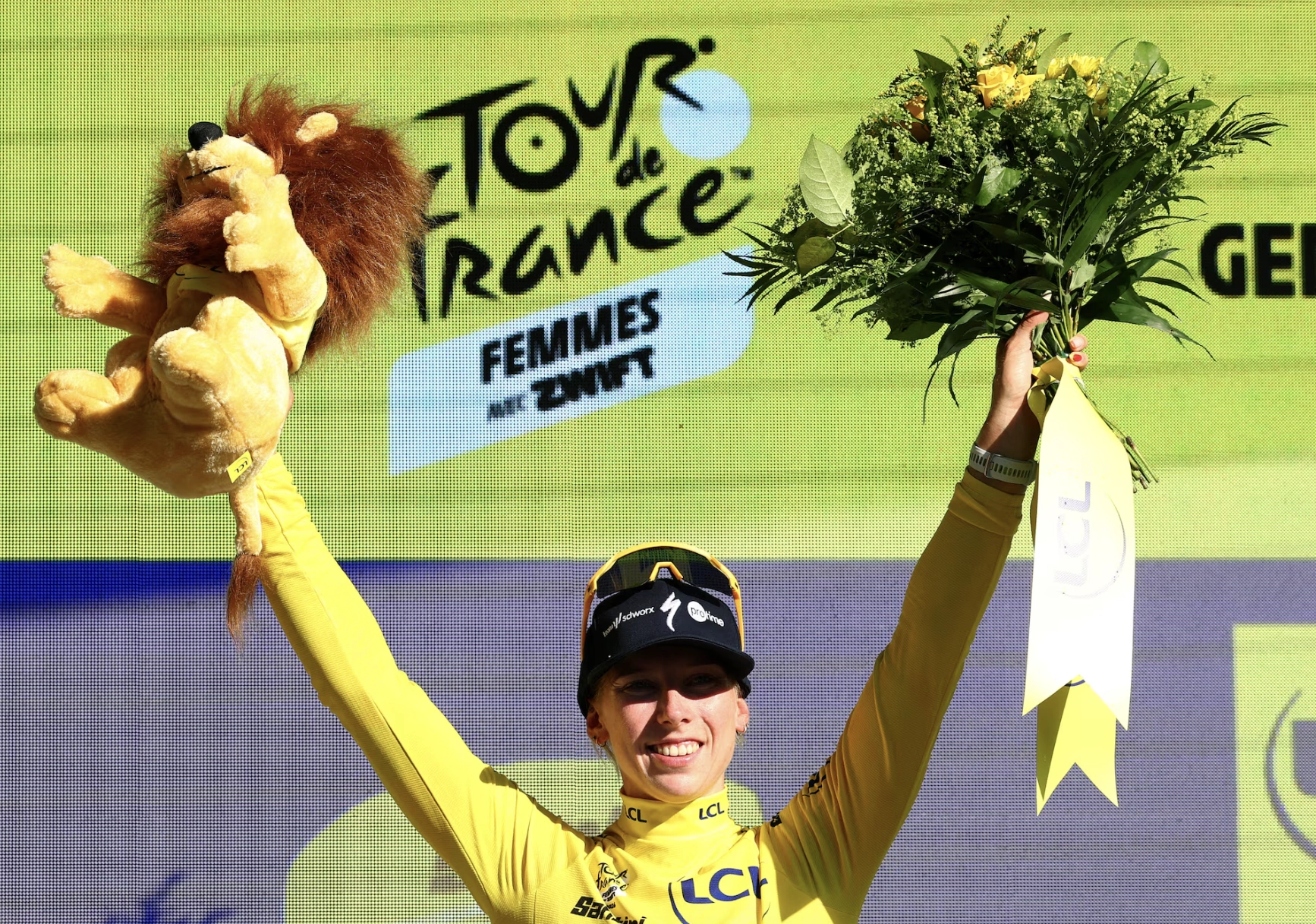 |
Lorena Wiebes wears the yellow jersey as the overall leader after winning stage two of the Tour de France Femmes 2026. *Reuters* |
Before the 21 km time trial stage from Gevrey-Chambertin to Dijon, several teams requested increased scrutiny from the race jury. They want the UCI to conduct private inspections after athletes finish, with the involvement of female supervisors, to verify whether any riders are concealing padding under their bras or aerodynamic suits.
The incident has reignited debate on the boundary between technological innovation and adherence to competition rules. Experts are now waiting to see if the UCI will launch a formal investigation or continue to treat these as unsubstantiated suspicions.
The Tour de France Femmes 2026 takes place from 1/8 to 9/8. It is the fifth edition of the prestigious women's cycling race organized by Amaury Sport Organisation (ASO), which also manages the men's Tour de France. The race is part of the UCI Women's WorldTour system and carries higher ranking points than regular WorldTour stages, on par with the Giro d'Italia Women and Vuelta Femenina. This year, the event starts in Switzerland before returning to France, and continues to be held one week after the men's Tour de France to avoid scheduling conflicts and optimize organizational resources.
The 2026 route comprises 9 stages with a total length of 1.175 km and nearly 18.800 m of climbing, both records for the Tour de France Femmes. The first three stages take place in Switzerland, followed by an individual time trial stage in Dijon, before the peloton heads south to France. The most challenging stage is expected to conclude atop Mont Ventoux, at 1.910 m, while the final stage in Nice features four ascents of the Col d'Eze pass before finishing on the Promenade des Anglais. Experts consider this the most demanding route to date, with difficulty spread across all 9 stages and few opportunities for sprinters.
Hong Duy (according to Marca)