The 2026 World Cup, hosted by the US, Canada, and Mexico, will be the first to feature 48 teams, a significant increase from the 32-team format used in the past seven tournaments. This decision previously raised concerns about potential logistical challenges and a reduction in competitiveness, but Wenger maintains that the expansion is the right move.
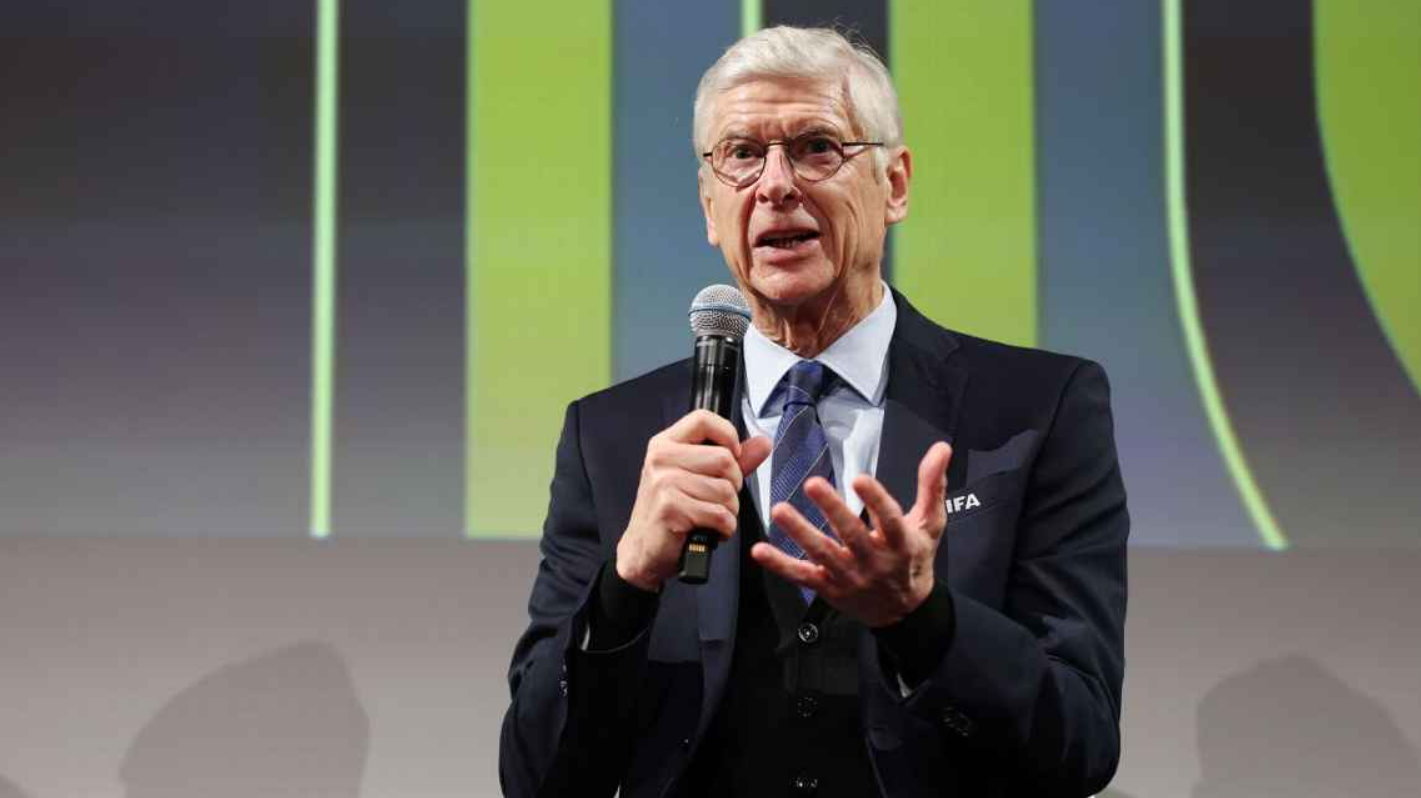 |
Fifa's global football development director, Arsene Wenger, speaks ahead of the 2026 World Cup draw. *Photo: FIFA* |
Speaking at a panel discussion ahead of the World Cup draw at the Kennedy Center, the former Arsenal manager stated, "I believe 48 teams is a reasonable number. Fifa has 211 member associations, meaning just under 25% get to participate. There are still 75% of national teams that do not secure a ticket to the World Cup".
Addressing concerns about declining quality, Wenger cited the recent U17 World Cup, which also featured 48 teams and maintained its competitive nature. "To reach the finals, teams must overcome regional opponents, which is a testament to their quality", he explained. "No one gets here by chance. They earn their spot based on merit".
The French former coach also noted that lessons learned from the Club World Cup in the US in summer 2025 have bolstered Fifa's confidence in ensuring pitch quality and playing conditions, especially as many matches will take place in temperatures above 32 degrees Celsius. "We are confident the pitches will meet standards with proper maintenance, ensuring no matches are held for two months before the tournament", he added.
Breaking from tradition, the specific schedule and venues for the 2026 World Cup will be announced by Fifa on a separate day, rather than concurrently with the group stage draw. Regarding championship prospects, Wenger identified England and France as strong contenders.
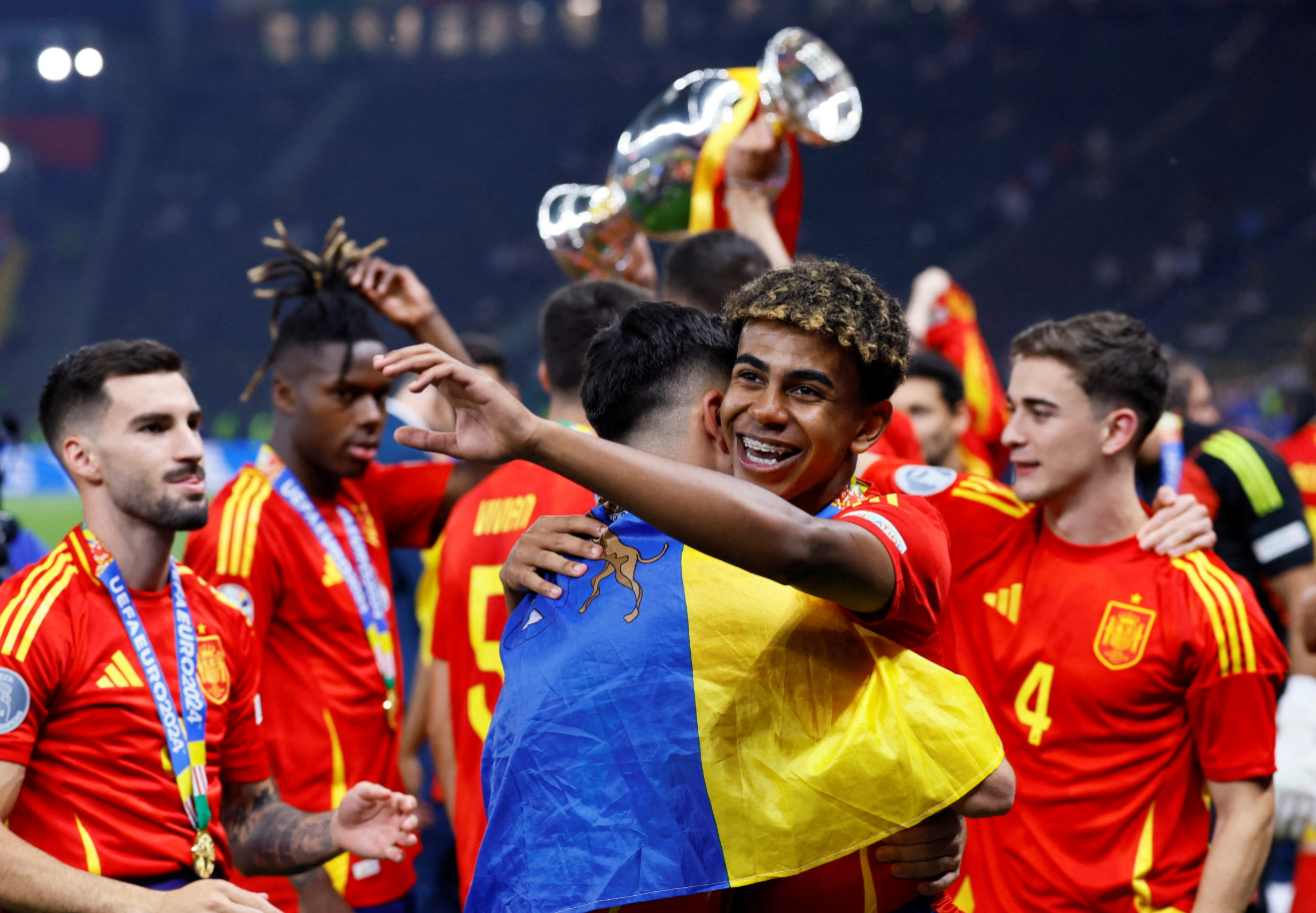 |
The Spain national team celebrates winning Euro 2024. *Photo: Reuters* |
Ahead of the draw in Washington D.C. on the evening of 5/12, Spanish media conducted over 50 simulations to assess potential scenarios for their national team. As the top-ranked team in the Fifa rankings, Spain is seeded and could face a "group of death" or, conversely, be drawn against more favorable opponents.
The simulation results indicate that Uruguay (from pot 2) and Haiti (from pot 4) are the two most frequently appearing opponents for Spain in the same group. Uruguay, under Marcelo Bielsa, is considered a significant challenge, while Haiti is viewed as one of the tournament's weakest teams. In pot 3, Saudi Arabia is a name that coach Luis de la Fuente's squad often encountered in the simulations. Accordingly, a group comprising Spain, Uruguay, Saudi Arabia, and Haiti is rated as having a medium-low difficulty.
However, this is not the worst-case scenario. A truly challenging group could see Spain drawn against Croatia, Morocco, or Colombia from pot 2. If Croatia is drawn, the risk of subsequently facing physically strong teams like Norway - featuring stars such as Erling Haaland and Martin Odegaard - Paraguay, or Ivory Coast from pot 3 becomes evident.
The biggest "ghost" could emerge from pot 4, where strong teams like Italy or Turkey are awaiting play-off berths. One "group of death" scenario for Spain involves Morocco, Paraguay, and either Italy or Turkey. Similarly, a group featuring Colombia, Norway, and Ghana is also considered tough.
Conversely, an easier group featuring Australia, South Africa, Haiti, or Curacao would significantly lighten Spain's burden on their 2026 World Cup journey, where the champion will need to play eight matches instead of the previous seven.
Hong Duy (according to ESPN, AS)