 |
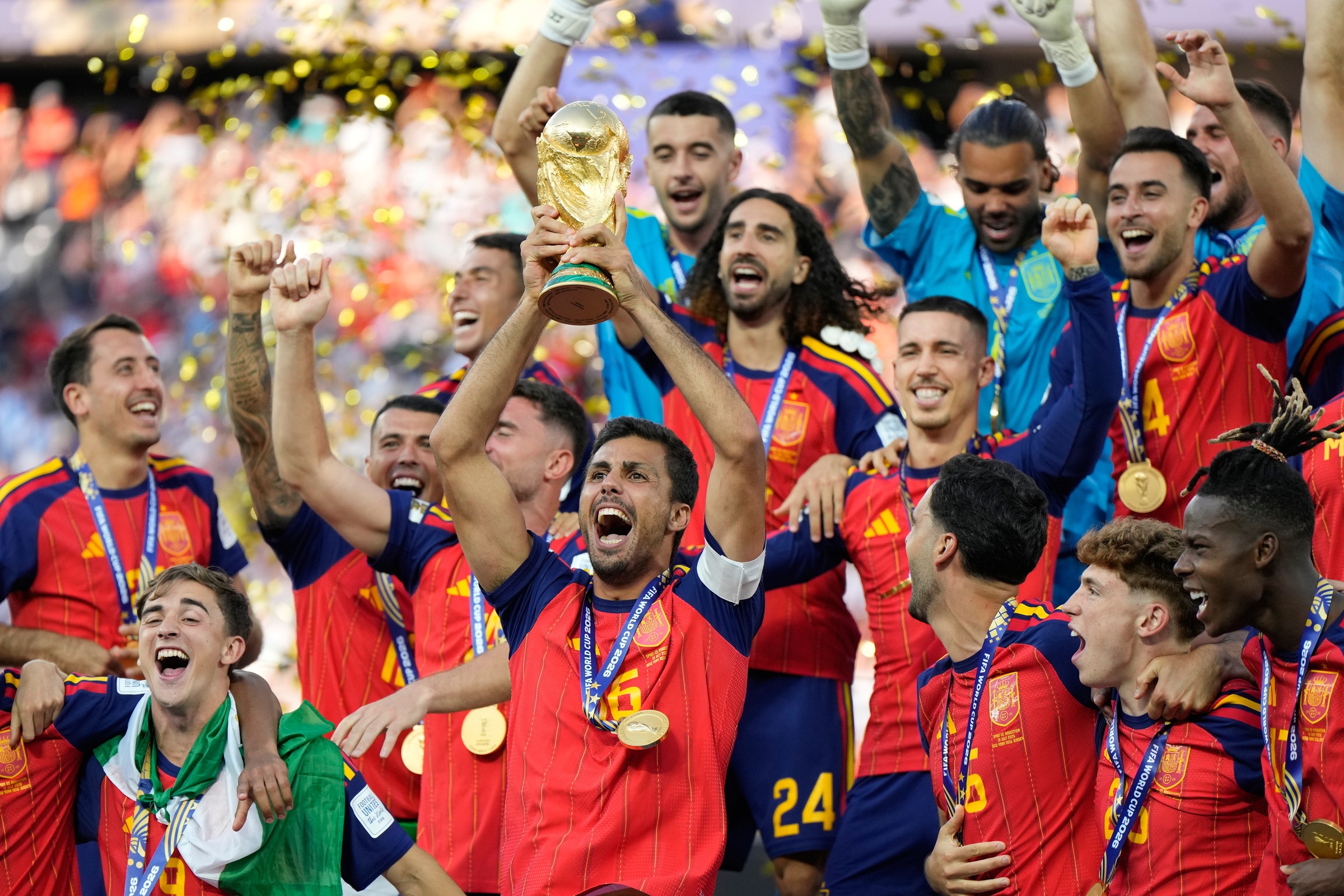
Rodri lifts the championship trophy after Spain defeated Argentina in the 2026 World Cup final at MetLife Stadium, East Rutherford, New Jersey, United States on 19/7. *Photo: AP*
Rodri’s decision to join Barcelona over Real Madrid stemmed from a stark contrast in the two clubs' approaches, despite his long-held ambition to play for Los Blancos. While Real Madrid showed hesitation and internal doubts, Barcelona launched a concerted effort, presenting a compelling project that aligned with the midfielder's playing style and career stage.
The first opportunity for Rodri to move to the Bernabeu came in 2019, when he was playing for Atletico Madrid. That summer, the Spanish midfielder waited until the final days, hoping for an offer from Real. However, with the formidable trio of Toni Kroos, Luka Modric, and Casemiro in peak form, the royal club was not eager to pursue Rodri. Consequently, he made a pivotal career move, joining Manchester City. At the Etihad Stadium, Rodri gradually established himself as the best defensive midfielder in the world. He scored 28 goals and provided 32 assists in 298 appearances, winning four Premier League titles, two FA Cups, three League Cups, and the 2023 Champions League, where he scored the decisive goal in the final. The 30-year-old midfielder also won the 2024 Ballon d'Or.
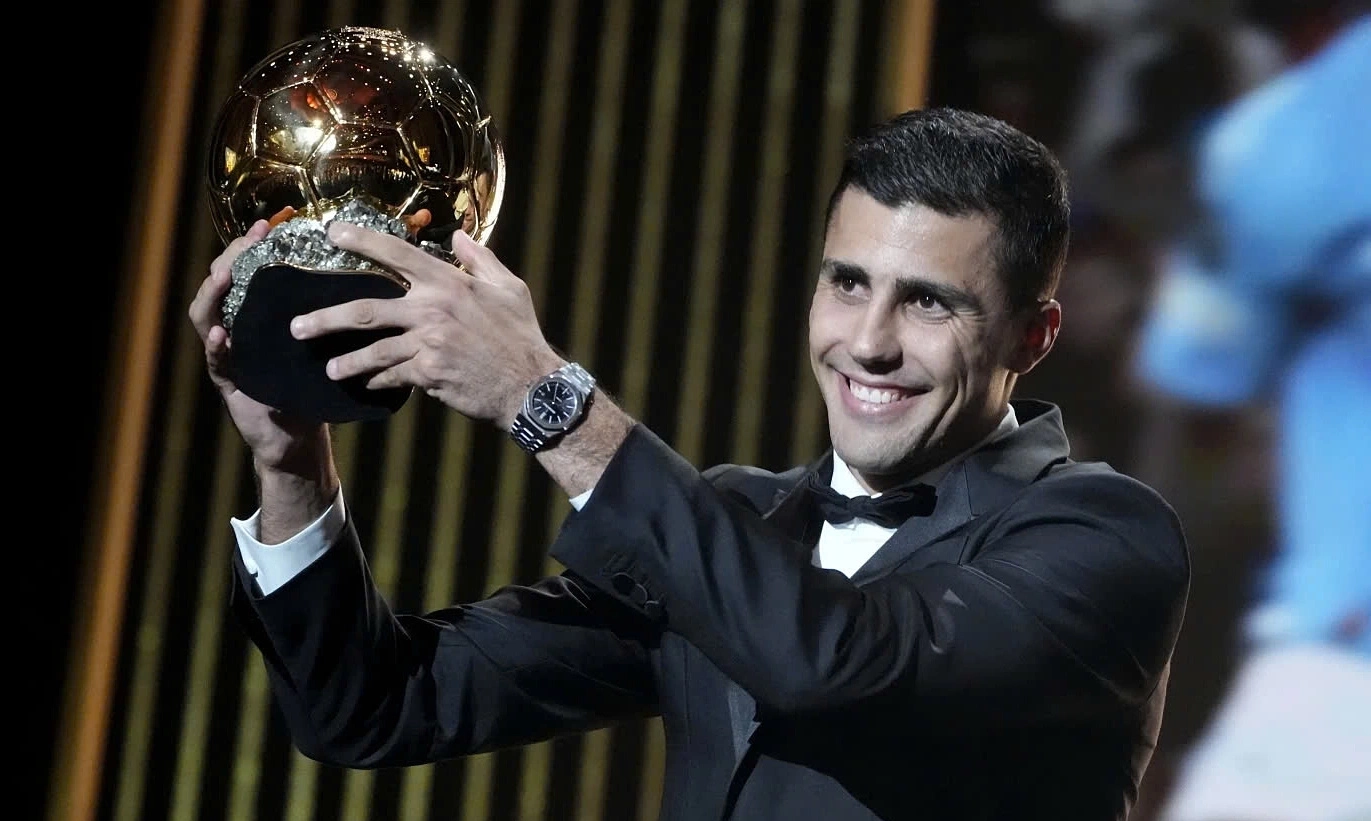 |
Rodri raises the Ballon d'Or trophy during the gala at the Chatelet theater, Paris, France on 28/10/2024. *Photo: AP*
After seven years of stellar performances in Manchester, Rodri’s clearest path to Real Madrid emerged in the summer of 2026. Despite months of urging from Real fans for the club to sign Rodri, the club's management was never fully convinced. It wasn't until after the 2026 World Cup final, where Rodri delivered consistent top-tier performances and earned the Golden Ball for the tournament's best player, that Real finally recognized an unmissable opportunity. The 30-year-old had only one year left on his contract with Manchester City, Pep Guardiola—who had previously made Rodri reluctant to leave Manchester—had departed the Etihad Stadium, and Rodri himself possessed many qualities Real was lacking.
Following Spain's second World Cup victory, Real Madrid began to act. President Florentino Perez made a call, followed by CEO Jose Angel Sanchez. Yet, Real made almost no further moves after these initial contacts. In reality, even before those calls, significant internal doubts plagued Real. While Rodri could strengthen the squad, he did not entirely fit the type of player the club sought, neither in age nor style. A source shared with Marca, "Rodri holds onto the ball too long, not the type of player we're looking for." Real essentially desired a more dynamic and powerful midfielder for the middle. It seemed Rodri's World Cup statistics, including a record for most completed passes in a tournament with an accuracy rate over 93%, were still not enough to sway them.
When the opportunity arose, Real decided to explore it. However, without immediate enthusiasm for a transfer, things rarely unfold as they should. Jose Mourinho provides a relevant example; he proactively called Marc Cucurella and repeatedly contacted Bernardo Silva when Atletico pressed to sign the Portuguese midfielder. This illustrates the difference between genuinely wanting a player and merely identifying a market opportunity.
Barcelona, in contrast, pursued Rodri with full force from the moment they entered negotiations on 6/8. President Joan Laporta, Sporting Director Deco, coach Hansi Flick, and almost the entire squad contacted Rodri. Marca jokingly remarked that only the club's groundskeeper was missing from calling to ask the Spanish midfielder how high he wanted the grass.
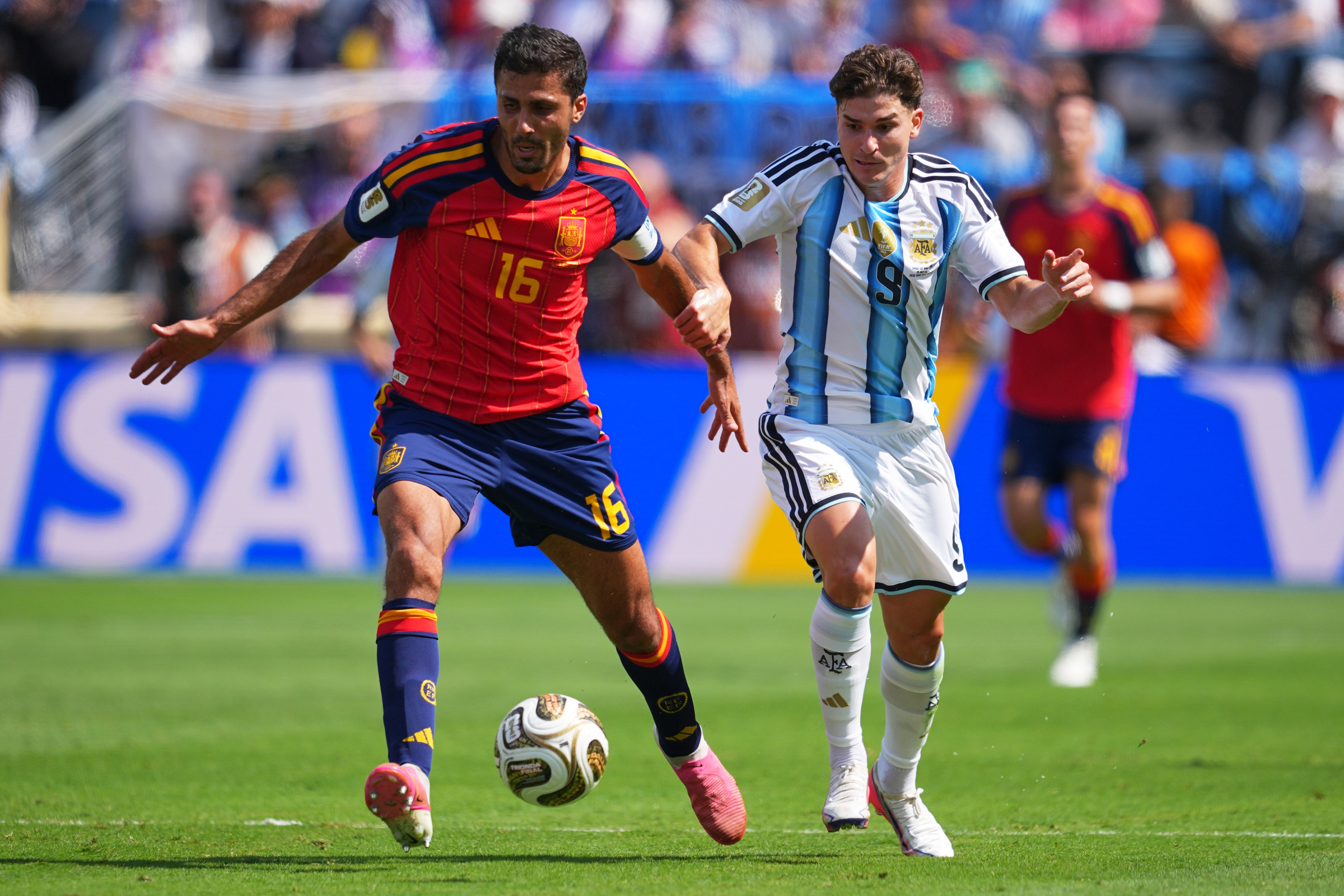 |
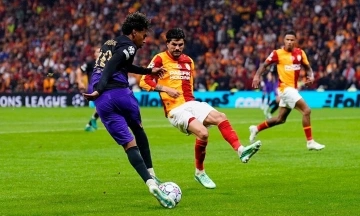
Rodri controls the ball against Julian Alvarez in the 2026 World Cup final. *Photo: AP*
However, Rodri did not choose Barca solely because of these calls. Another crucial detail was that the financial offers from both clubs were similar. This, perhaps, is what the Madrid faithful regret most. Rodri did not leave Manchester City for money, but for the project. His style is particularly well-suited to Barca, where the playing philosophy shares many similarities with the World Cup-winning Spanish national team. Barca's project already had a relatively complete foundation, with clearly identified key players and established squad hierarchies.
Real, on the other hand, faced a project full of variables, with the return of Jose Mourinho. This project could succeed, but it could also be a bomb waiting to explode prematurely. At 30 years old, Rodri was unlikely to accept such uncertainty, especially when Barca made such a determined effort to bring him in. Therefore, upon making his decision, Rodri's first action was to contact Real, specifically Jose Angel Sanchez. He thanked the club for their interest, respect, and courteous conduct—qualities Real has never lacked—and closed a transfer story he had never actively sought.
Following this, Rodri waited for Barca to finalize negotiations for the transfer fee with Manchester City. The Spanish club had to make as many as five offers before convincing the English team.
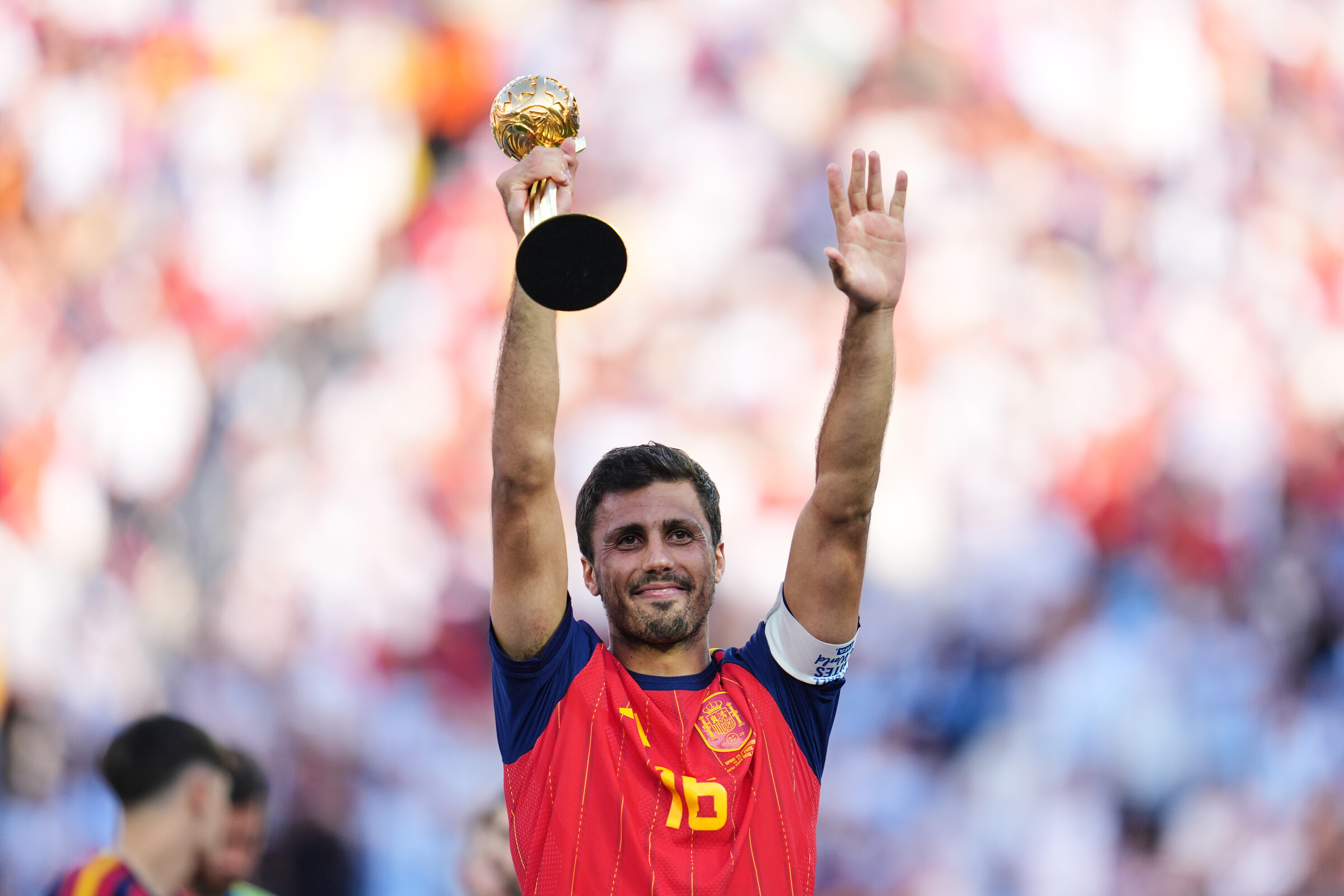 |
Rodri celebrates the 2026 World Cup Golden Ball title. *Photo: AP*
Marca commented that, in hindsight, it is even harder to comprehend why Real let Rodri slip away. The 2024 Ballon d'Or winner had repeatedly postponed Manchester City's contract extension offers, waiting for a call from Madrid. The call eventually came, but the signals from Real were not what he had dreamed of. Rodri always envisioned himself walking through the grand doors of the Bernabeu to the welcome of Madrid fans, who had always wanted him. Not as "a market opportunity" within a project still fraught with questions. "Barca saw a similar opportunity. But unlike Real, they plunged into the game with everything they had," Marca observed.
Hong Duy (according to Marca)