World Boxing (WB), an organization recognized by the International Olympic Committee (IOC), previously implemented a similar regulation for female boxers starting on 20/8/2024. This rule was effective for the World Championships held in Liverpool, England, in early September.
For male boxers, WB had encouraged national federations to implement testing, but it was not mandatory. The organization believed that safety and sports integrity issues were more prominent in the female category.
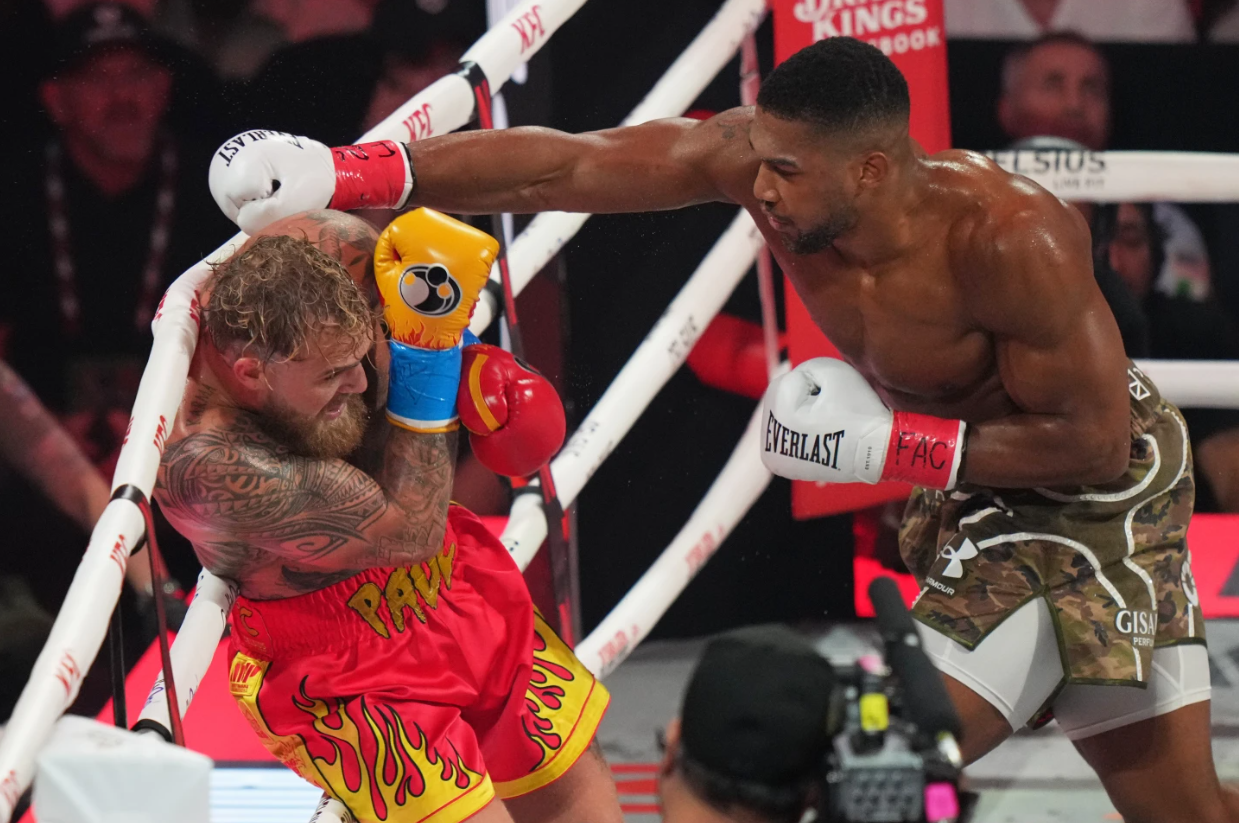 |
Anthony Joshua delivers a punch during his fight against Jake Paul in Miami, USA, on 20/12/2025. Photo: AP |
Under the new regulation, all boxers over 18 years old wishing to participate in WB-licensed tournaments must undergo a PCR test, a method for detecting genetic material, or an equivalent test to determine sex and eligibility for competition. Boxers who do not provide certified test results will not be eligible to participate in WB events.
WB is the first Olympic sports federation to implement gender verification testing. The organization aims to "ensure the safety of all athletes and maintain fairness in competition."
Established in 4/2023, WB was granted provisional recognition by the IOC last year to organize boxing at the Olympics. This followed the suspension of the International Boxing Association (IBA) due to financial, governance, and refereeing misconduct.
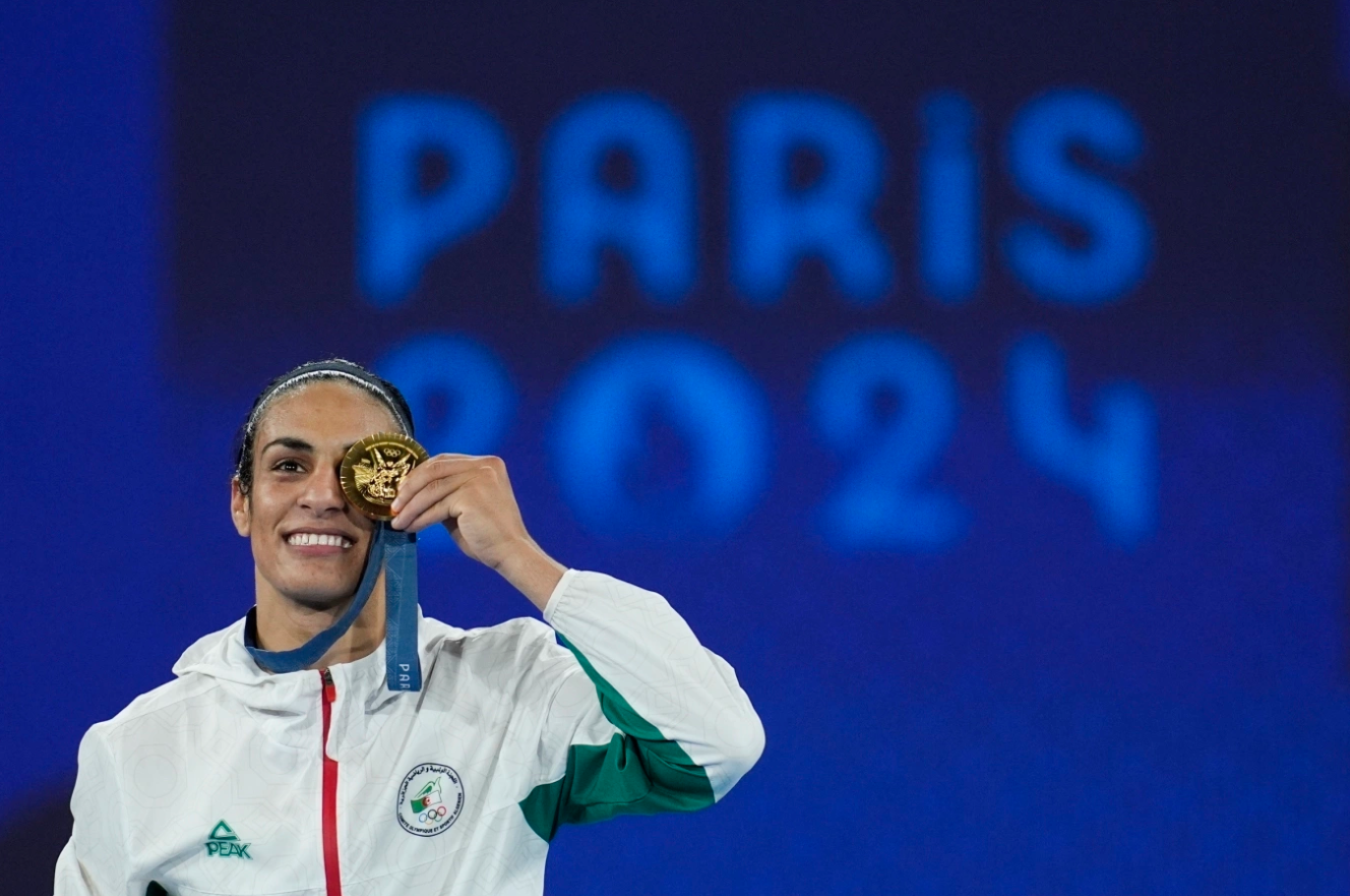 |
Algerian boxer Imane Khelif poses with her gold medal in the women's 66 kg boxing category at the Paris 2024 Olympics during the award ceremony on 9/8/2024. Photo: AP |
Algerian fighter Imane Khelif previously appealed the gender verification rule for female boxers to the Court of Arbitration for Sport (CAS). Khelif won a gold medal in the 66 kg category at the Paris 2024 Olympics amid controversy surrounding her sex, due to her high testosterone levels.
However, the IOC affirmed there was no evidence that Khelif was transgender or had undergone a biological sex change, thereby recognizing her competition results.
WB's policy could become a precedent for other sports federations to consult when developing Olympic eligibility criteria. The IOC currently allows international federations to establish their own regulations, provided they ensure principles of safety, fairness, and non-discrimination.