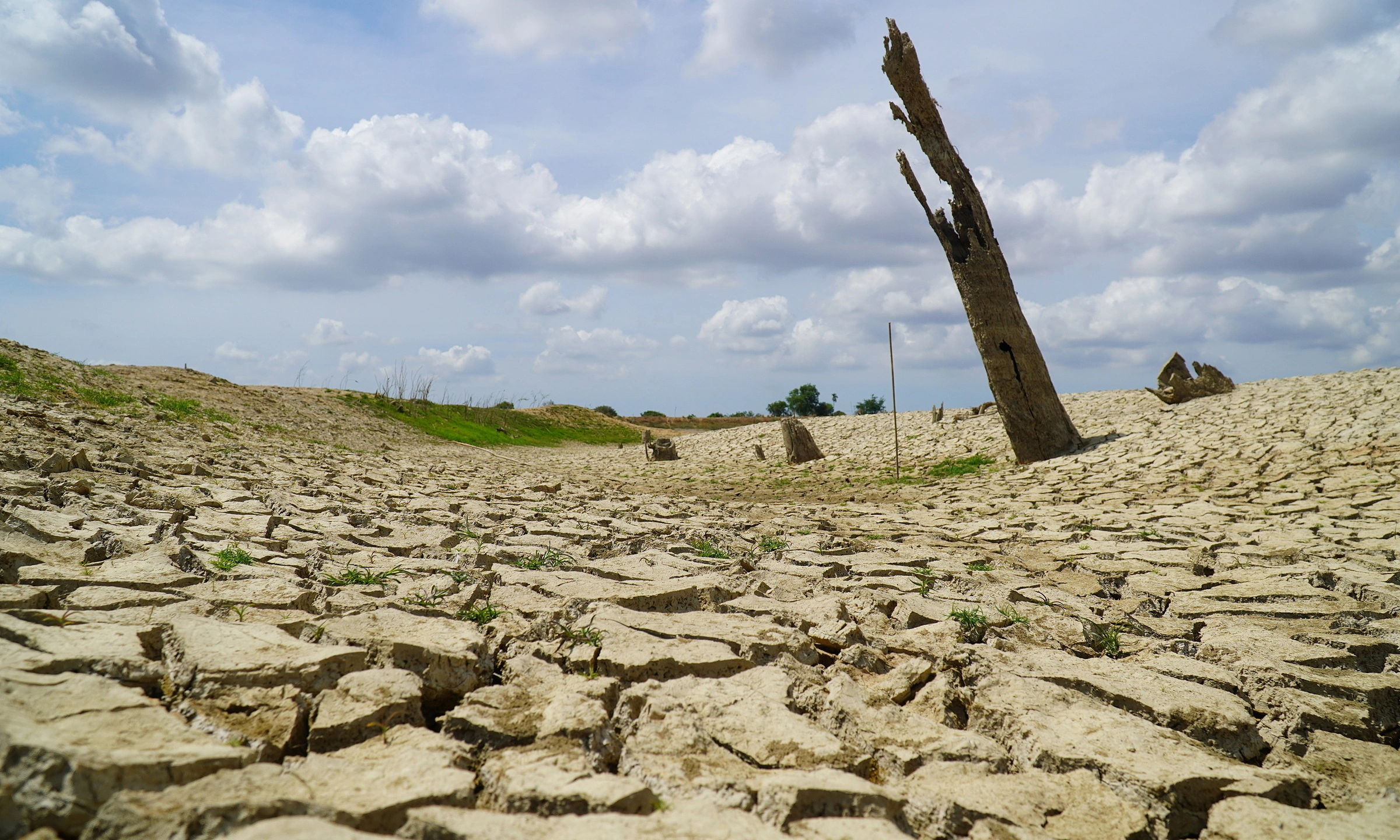
The United Nations meteorological agency warns that the El Nino phenomenon is strengthening from July, potentially causing global temperatures to rise higher than last month.
With the probability of a very strong El Nino exceeding 60%, experts suggest that instead of merely announcing its intensity, sectors need impact forecast maps to enable proactive response by citizens and authorities.
The 63% probability of a very strong El Nino appearing by late 2026 compels the irrigation sector to develop response scenarios and utilize the rainy season to store water for the following dry season.