At a conference on 23/6/2026 hosted by the ministry of agriculture and environment, experts highlighted that current El Nino forecasts often emphasize climate indicators and probabilities. However, citizens and local authorities require impact assessments tailored to specific regions, production sectors, and vulnerable communities.
According to professor Tran Thuc, chairman of the Vietnam meteorological and hydrological association, people are not truly concerned with El Nino's strength or its probability. What they need to know are the specific risks their area will face if El Nino occurs, which crops are vulnerable, if their domestic water supply is threatened, and what preparations they should make now.
 |
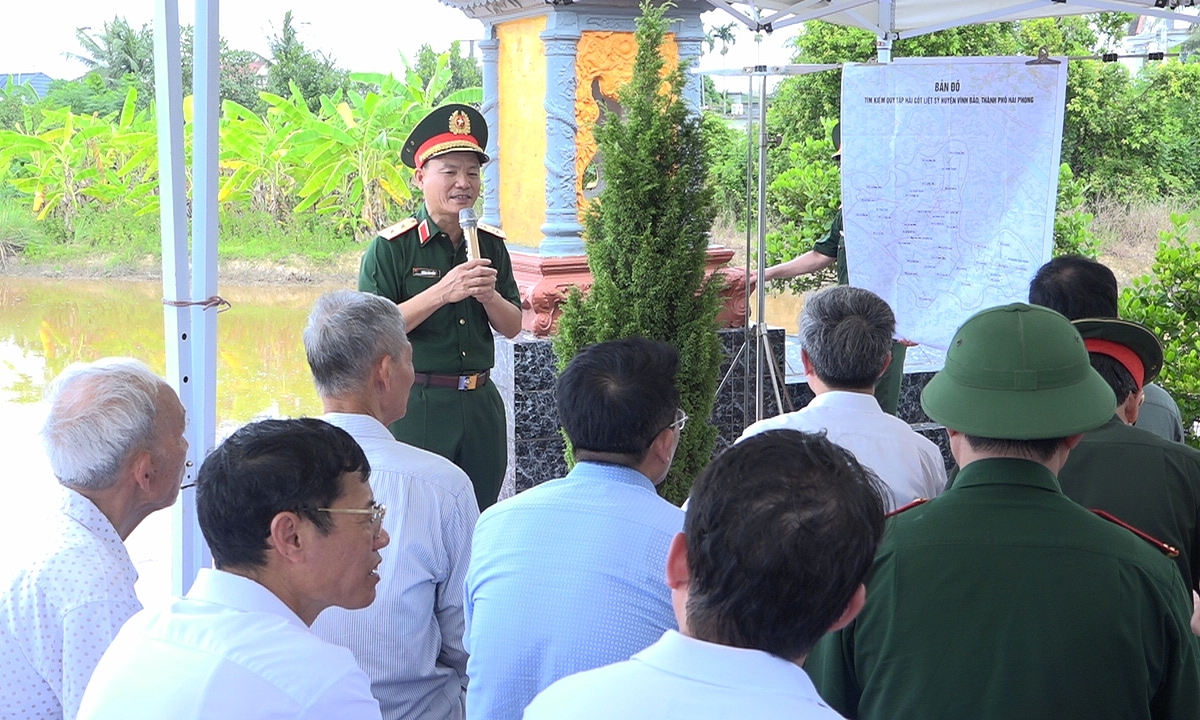
Professor Tran Thuc raises a point at the conference. Photo: Gia Chinh
He argued that forecasting must shift from merely describing climate phenomena to providing impact-based predictions. Instead of academic information, bulletins should answer how extreme weather will affect people's lives and livelihoods.
For instance, a durian farmer in Dong Thap needs to know when salinity intrusion might occur and its duration. Residents in Ninh Thuan and Binh Thuan want to understand the likelihood of domestic water shortages during the upcoming dry season. Meanwhile, farmers in the Central Highlands require specific information on water prospects for coffee, pepper, and other long-term industrial crops.
"A single El Nino scenario cannot apply to the entire country. Each region will experience different impacts, and residents need access to information pertinent to their specific realities," he emphasized.
In practice, the impact of the same El Nino event varies significantly across regions. During the historic 2015-2016 El Nino, the Mekong Delta faced its most severe drought and salinity intrusion in decades, leaving hundreds of thousands of households without domestic water and damaging hundreds of thousands of hectares of crops. Conversely, some northern localities still recorded heavy rainfall.
 |
Drought causes agricultural damage in Hau Giang in 2020. Photo: Huy Phong
Deputy Minister of Agriculture and Environment Le Cong Thanh shared this perspective, stating that El Nino does not equate to widespread drought. Even during the strong El Nino of 2015, Quang Ninh experienced historic floods causing extensive damage. This demonstrates that extreme, atypical weather events can occur as the climate becomes more volatile and unpredictable.
According to Thanh, the global climate system is trending towards greater extremes due to climate change. The current challenge involves not only more accurate forecasting but also the ability to translate scientific information into concrete management decisions and response actions.
"The capacity for early warning and forecasting, alongside the ability to transform scientific information into timely management decisions, is becoming a decisive factor in effectively responding to natural disasters and adapting to climate change," he stated.
To achieve this, Hoang Duc Cuong, deputy director of the department of meteorology and hydrology, emphasized the necessity of multi-agency participation beyond just the meteorological sector. While meteorological agencies forecast weather and climate trends, units specializing in cultivation, animal husbandry, irrigation, and water resources must collaborate to assess impacts, develop risk scenarios, and propose solutions for their respective fields.
Cuong asserted that only by connecting data and expertise from various sectors can sufficiently detailed risk maps be developed to support operational management and help residents proactively adapt.
At the conference, the ministry of agriculture and environment assigned the department of meteorology and hydrology to promptly prepare a report assessing El Nino's impacts and risks for submission to the government in july. The report must specify high-risk areas, vulnerable sectors, and offer concrete action recommendations for each region and industry.
Gia Chinh