Poonam Binayak, an India travel expert, shared her diverse experiences, from the bustling midday markets of Delhi to the quiet roads of Rajasthan and the crowds jostling for space at long train stations.
She noted that tourists often experience culture shock in India due to significant differences in customs across its 28 states and 8 union territories. To ensure a smooth journey, Binayak identified five common mistakes and solutions, including the tendency to avoid street food for fear of stomach upset.
Tourists often worry about "Delhi Belly", a colloquial term for traveler's diarrhea. However, Binayak believes this apprehension causes them to miss out on some of the most authentic flavors of Indian cuisine.
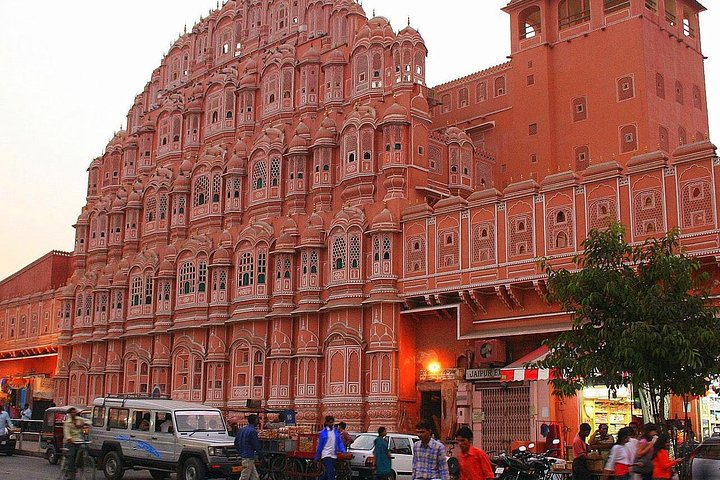 |
Jaipur, the Pink City, is known for its vibrant architecture. Photo: Tripadvisor |
Each city boasts its own specialties: Mumbai's "vada pav" (a potato fritter sandwich), Varanasi's savory "chaat" snacks, or Kolkata's "kathi roll" (kebab wrapped in flatbread). Tourists should savor these unique dishes if they have the chance.
For hygiene, choose busy stalls, as high turnover ensures fresh food. Avoid raw or cold items and do not use ice unless its origin from bottled water is certain, as tap water is not potable.
If concerns persist, tourists can book guided street food tours. These are available in most major cities, including Delhi, Mumbai, Kolkata, Jaipur, and Varanasi.
Following the well-trodden "Golden Triangle" route is another common mistake. Many first-time visitors rush to Agra to see the Taj Mahal, then to Jaipur to explore forts and palaces, believing they have "finished exploring India".
The Golden Triangle route is one of the country's busiest tourist trails. Spending hours in queues and traffic jams can diminish the experience. While this route offers a vibrant, historically rich, and crowded glimpse of India, alternatives exist.
Instead, Poonam advises avoiding crowds and exploring lesser-known yet worthwhile destinations, such as the cold desert regions of Ladakh and Spiti.
Visiting rural areas, home to over half of the population, also provides insight into local culture. Activities like visiting local markets or conversing with residents offer authentic insights into daily life, rather than focusing solely on famous landmarks.
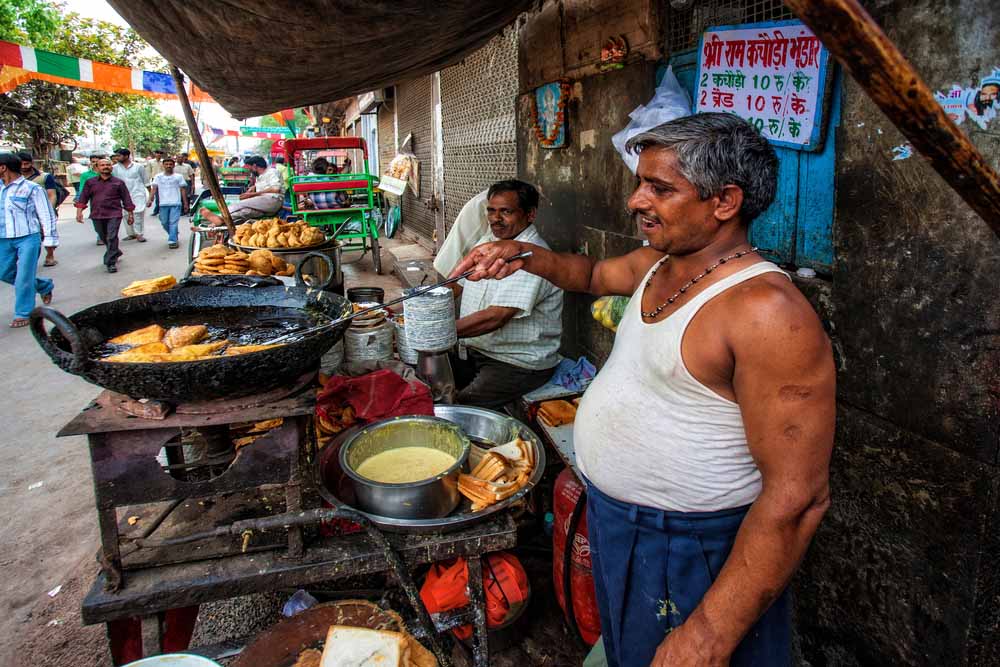 |
A local vendor frying hot fried dough sticks for customers. Photo: Backpacken in Azie |
Trying to visit too many attractions is the next mistake. Eager to "see it all", tourists often pack their one- to two-week itineraries, despite inter-city travel potentially taking an entire day due to congestion or delayed transport.
Constant movement leads to fatigue, making it difficult for tourists to fully enjoy their experiences in the country.
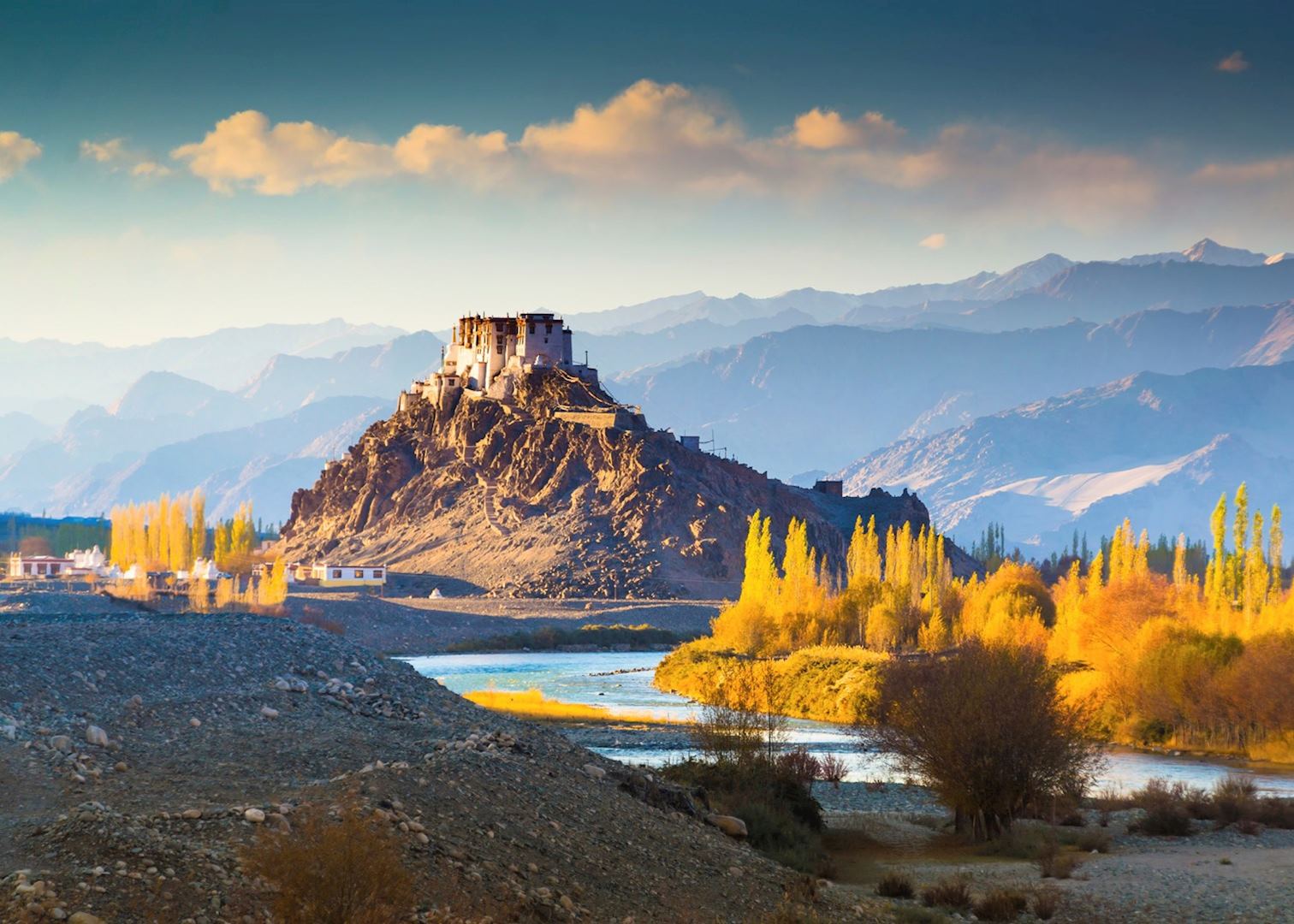 |
Autumn landscape in Ladakh region. Photo: Audley Travel |
"Focus on a specific city or state," Poonam suggests. Instead of widespread travel, tourists could spend two full weeks in Kerala exploring its backwaters and spice plantations, or visit Rajasthan to admire its colorful cities and the Shekhawati region, famed for its frescoes.
Indian hospitality is rooted in the philosophy "Atithi Devo Bhava" - 'the guest is god'. However, tourists must respect basic customs for a smoother journey.
Tourists should remove shoes before entering temples or private homes and dress modestly in religious sites and rural areas. Additionally, use the right hand when eating or offering items, as the left hand is traditionally considered "unclean". Avoid public displays of affection to gain local goodwill.
Given India's 28 states and 8 union territories, each with distinct cultural nuances, travelers should thoroughly research regional rules before departure. For convenience in booking rides or train tickets, a local SIM card is essential for receiving one-time password (OTP) verification codes via apps.
Also, tourists should carry Indian Rupee cash for spending at markets or small stalls, even though electronic payments are common.
Anh Minh (According to Business Insider)