In Seoul, a diner was refused service by a casual restaurant when indicating they were dining alone. "The second restaurant today refused to serve me just because I was dining alone," the customer told CNN.
The staff's refusal reflected the barrier of communal dining culture still prevalent in South Korea, despite rapid market changes. This experience is not uncommon in the South Korean capital. Late last year, a noodle shop in Seoul sparked controversy by posting a sign stating that solo diners must order two portions or come with friends, alongside the message: "We do not serve loneliness." Many customers considered this discrimination. Some reported having to share tables with strangers.
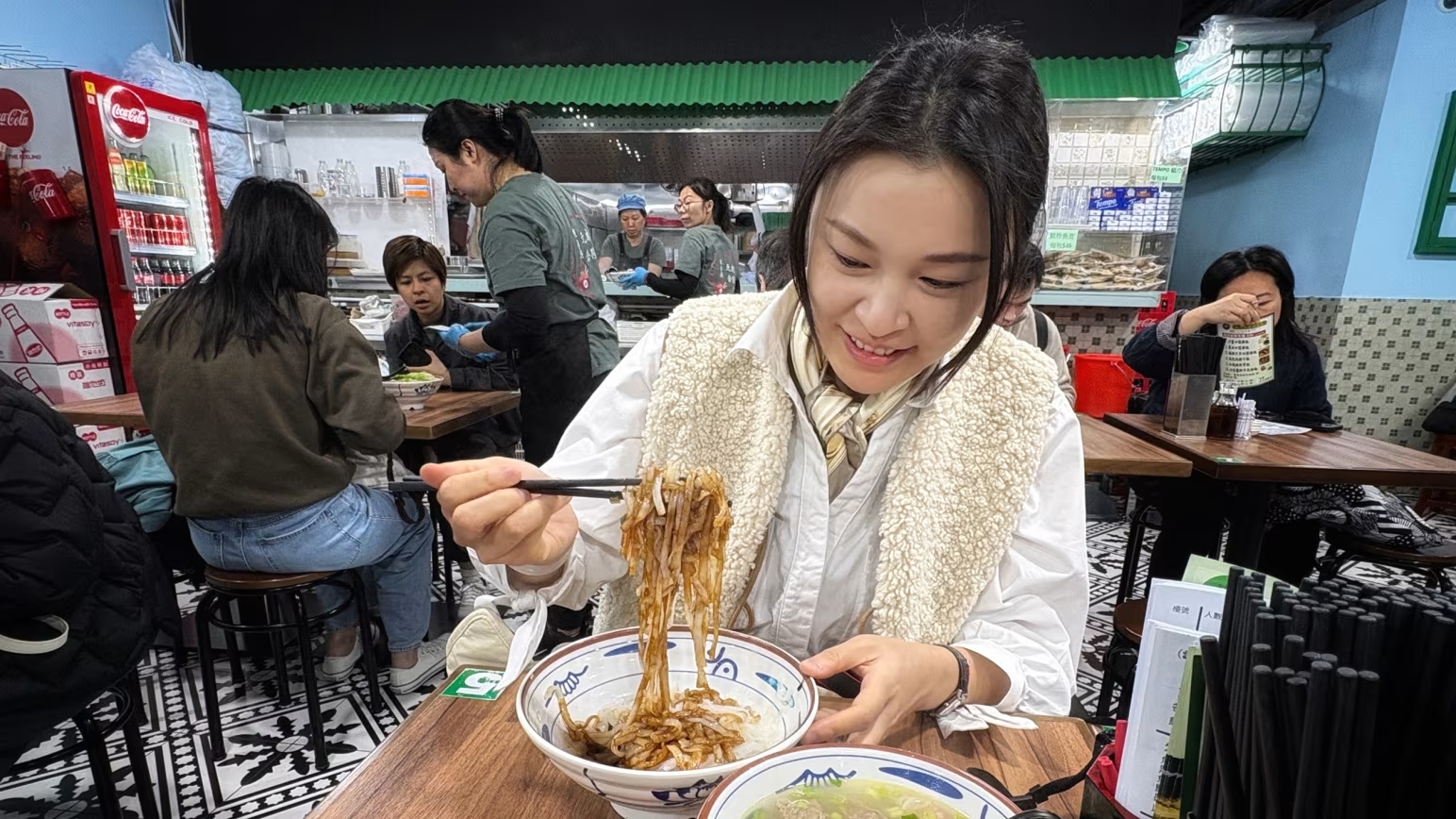 |
Food writer Maggie Hiufu Wong dines alone due to the nature of her work. *Photo: Maggie Hiufu Wong* |
The stigma against solo diners persists not only in Seoul but also in many other cities. For travel and food content creators, exploring restaurants alone is part of the job. In 2023, some restaurants in Barcelona, Spain, faced criticism for turning away single diners to reserve tables for groups. In Liverpool, England, a Turkish restaurant also drew attention for refusing to serve a woman dining alone during peak hours. The fear of dining alone even has its own name: solomangarephobia.
However, actual data reveals a conflict between old perceptions and new consumer behavior. In South Korea, single-person households accounted for more than 36% in 2024.
Data from the booking platform OpenTable shows solo dining is a global trend. In 2025, single-person reservations increased by 19% compared to the same period last year, marking the highest growth among all customer group sizes. Solo diners also spend more. On average, a single customer spends 90 US dollars, 54% higher than the average expenditure of group diners. This increase is evident in major business hubs such as New York, London, Chicago, and San Francisco. Canada recorded the highest growth in solo reservations in 2025.
Laure Bornet, Vice President of OpenTable, a San Francisco-based online reservation service platform, noted that single-person tables are no longer a temporary convenience but have become a trend. "This customer group offers significant revenue opportunities for restaurants by filling gaps in dining spaces," Bornet said.
To adapt, many restaurants in major cities like New York, London, and Tokyo are changing their design and service procedures. In New York, Cervo’s, a Michelin-recognized restaurant for its solo diner friendliness, has implemented specific spatial solutions. Strategically placed mirrors allow solo diners to observe the restaurant's vibrancy without feeling isolated. An 18-seat bar area enables guests to interact directly with staff or watch kitchen activities instead of sitting alone at a large table.
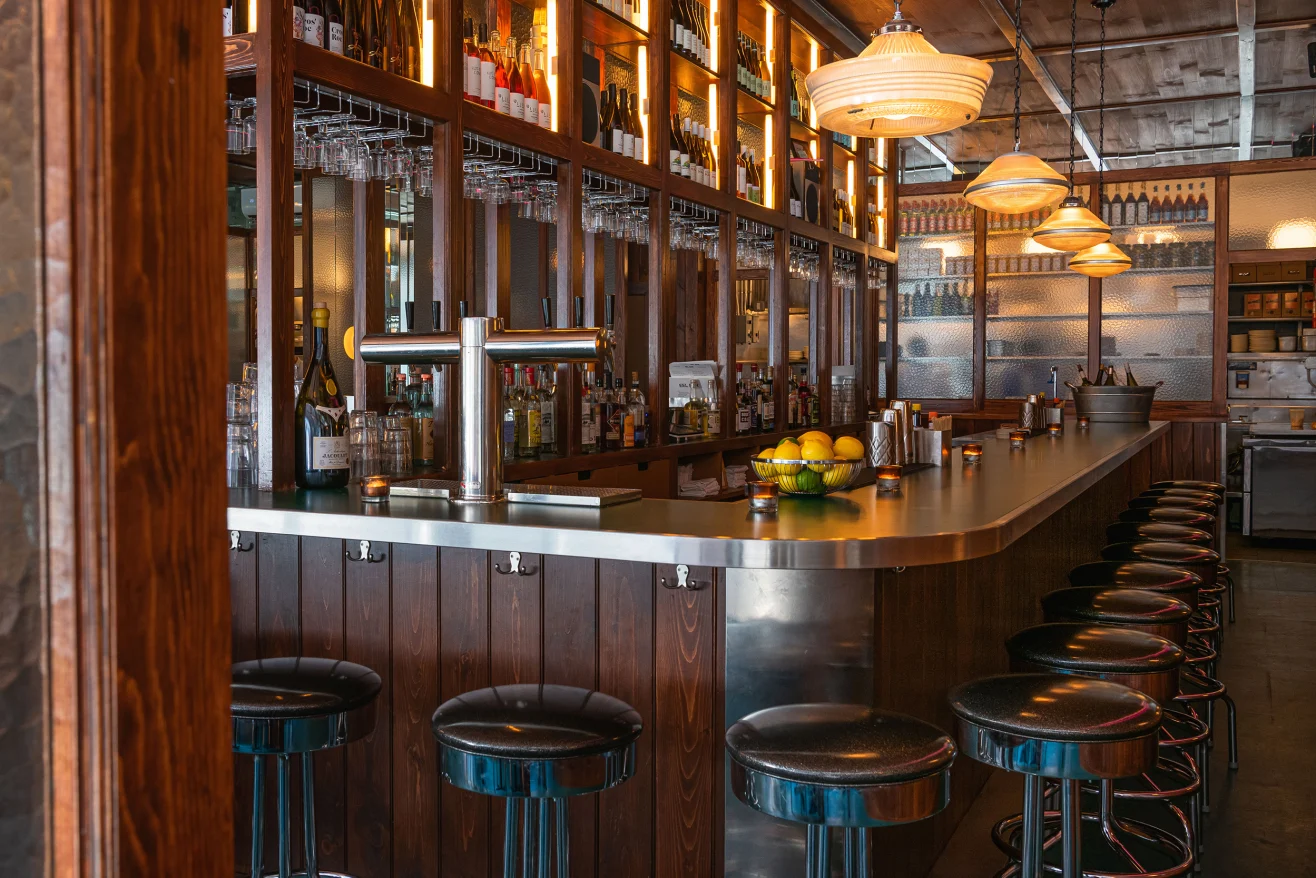 |
The bar for solo diners at Eel Bar, New York. *Photo: Max Flatow* |
Regarding menus, chefs prioritize flexibility. Instead of large portions, restaurants offer small bites like crispy fried shrimp and clams served with bread. This approach allows a solo diner to try various dishes without being overwhelmed by quantity or cost.
In Asia, mapping applications like Naver Maps have integrated "solo-friendly" search filters. Busy commercial areas are seeing a growing number of self-service eateries or fixed-portion menus for one person.
Gloria Chung Wing Han, a food writer in Hong Kong, shared that dining alone allows her to fully focus on the texture, temperature, and flavor of the food without being distracted by social conversations.
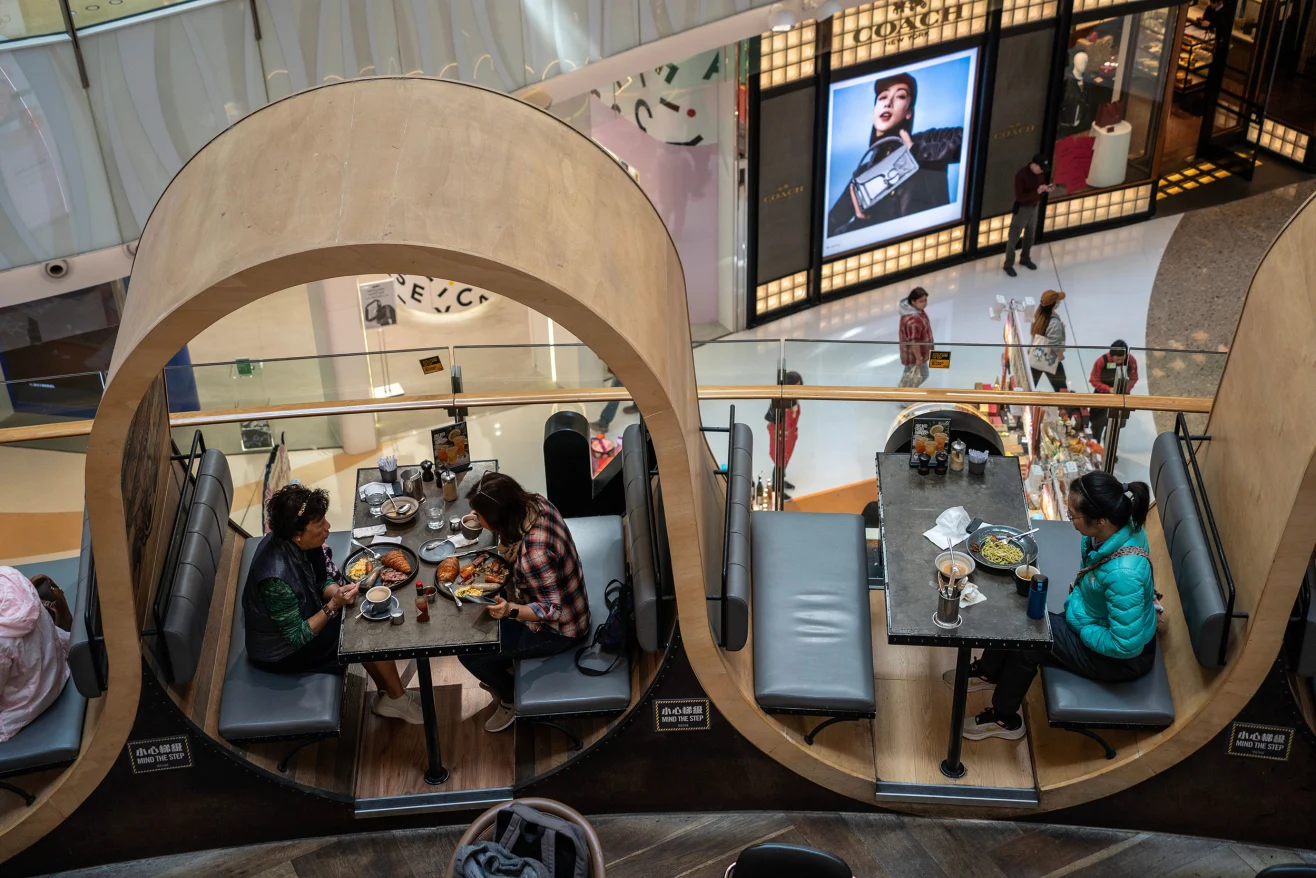 |
A solo diner in a restaurant at a Hong Kong shopping mall. *Photo: Vernon Yuen/NurPhoto* |
Solo dining also has limitations. Communal dining experiences like Chinese hotpot, Korean barbecue, or Spanish paella are often difficult for single diners. Some Michelin-starred restaurants also limit single-person reservations, concerned about reduced revenue compared to tables for two.
For the best experience, experts offer advice::
- Diners should prioritize restaurants with bar counters, such as ramen and teppanyaki shops in Japan, coffee counters in Italy, or street food stalls in Thailand.
- Avoid peak dining hours. It is advisable to dine at 11h or 17h30, when restaurants are less crowded, staff face less pressure, and are more willing to arrange seating.
- Instead of staring at phones, diners can use a small notebook for journaling or engage in brief conversations with chefs or servers about the food.
Laure Bornet believes the rise of solo dining experiences aligns with the current self-care trend. "Connection is not only with others, but it can also be a reconnection with oneself," the Vice President of OpenTable said.
Mai Phuong (According to CNN)